
Japanese Fibres
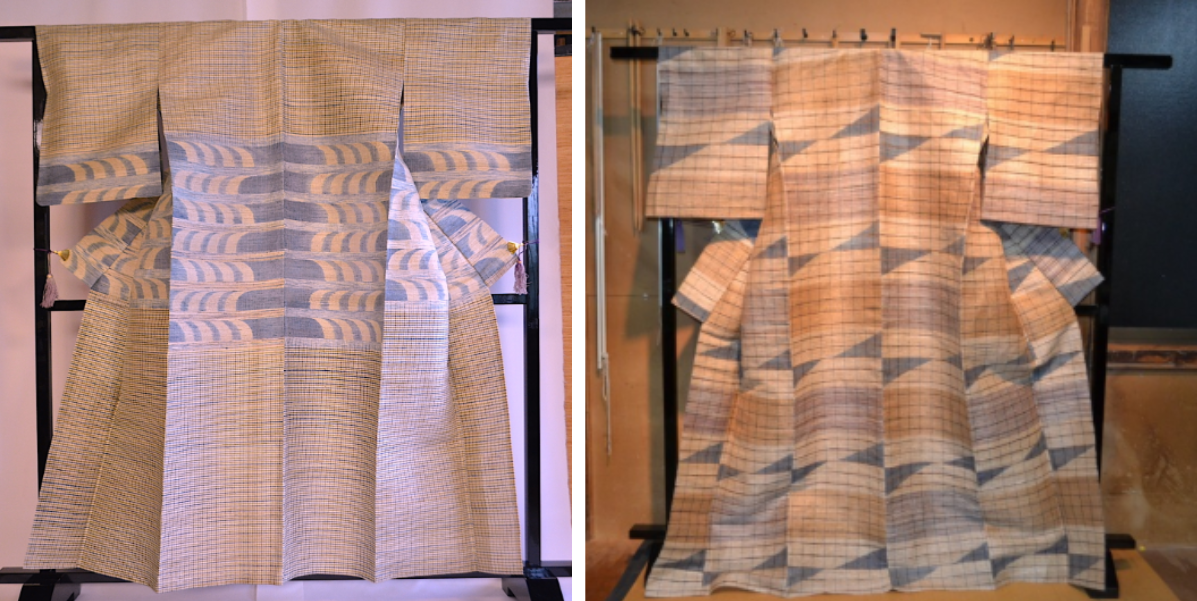
Japan has been producing natural fibre fabrics for centuries. It was quite common to spin and weave hemp and cotton to make daily clothes such as kimonos or work wear in every household in the country before World War II.
Not only hemp and cotton, but also stems of locally grown Kudzu (commonly known as Japanese Arrowroot), vines of wild wisteria, or bark of trees such as banana, were used to produce fibres and fabrics.
The introduction of machine-made as well as synthetic fabrics and textiles has meant that these common household skills are now very rare. However, thanks to a small group of makers, growers and researchers, a network of knowledge has formed. They have been producing kimonos, obis and everyday items with the natural fabrics, as well as holding exhibitions, workshops and talks to educate about and revive this dying art.
Work brought specially from Japan will show in full detail the techniques, skills and materials used, as well as some exquisite pieces of traditional clothing. There will also be some workshops to learn these important skills.
Plan your visit
Open Tuesday - Saturday, 10am - 5pm.
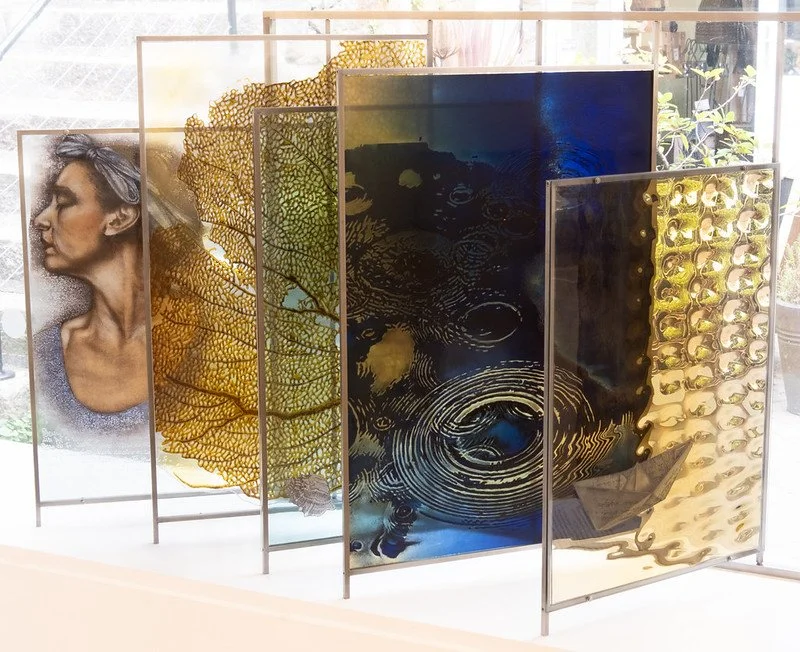
Maker Member Show 2026: Celebrating our vibrant Membership from across the Southwest
Jubilee Gallery, 18 July - 10 October 2026
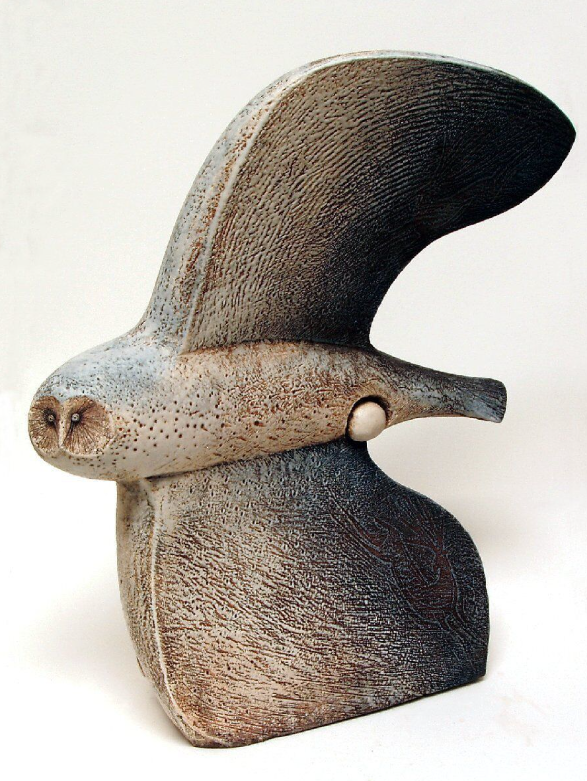
Maker Showcase - Blandine Anderson: Ceramics
Maker Showcase Gallery, 19 September - 14 November 2026
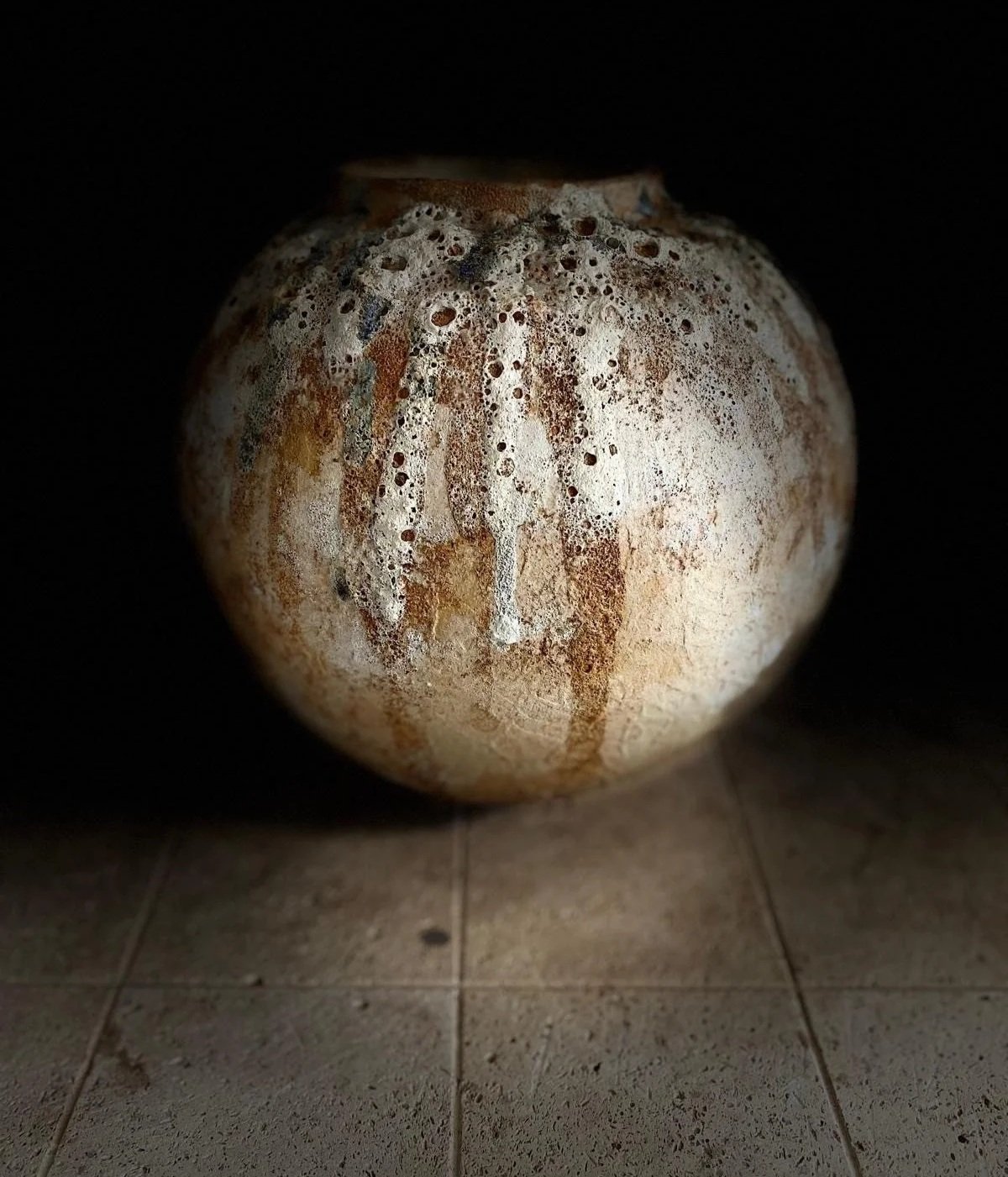
Dartmoor Moon Jars: by Imogen Taylor-Noble & students
The Print Room, 1 August - 19 September 2026
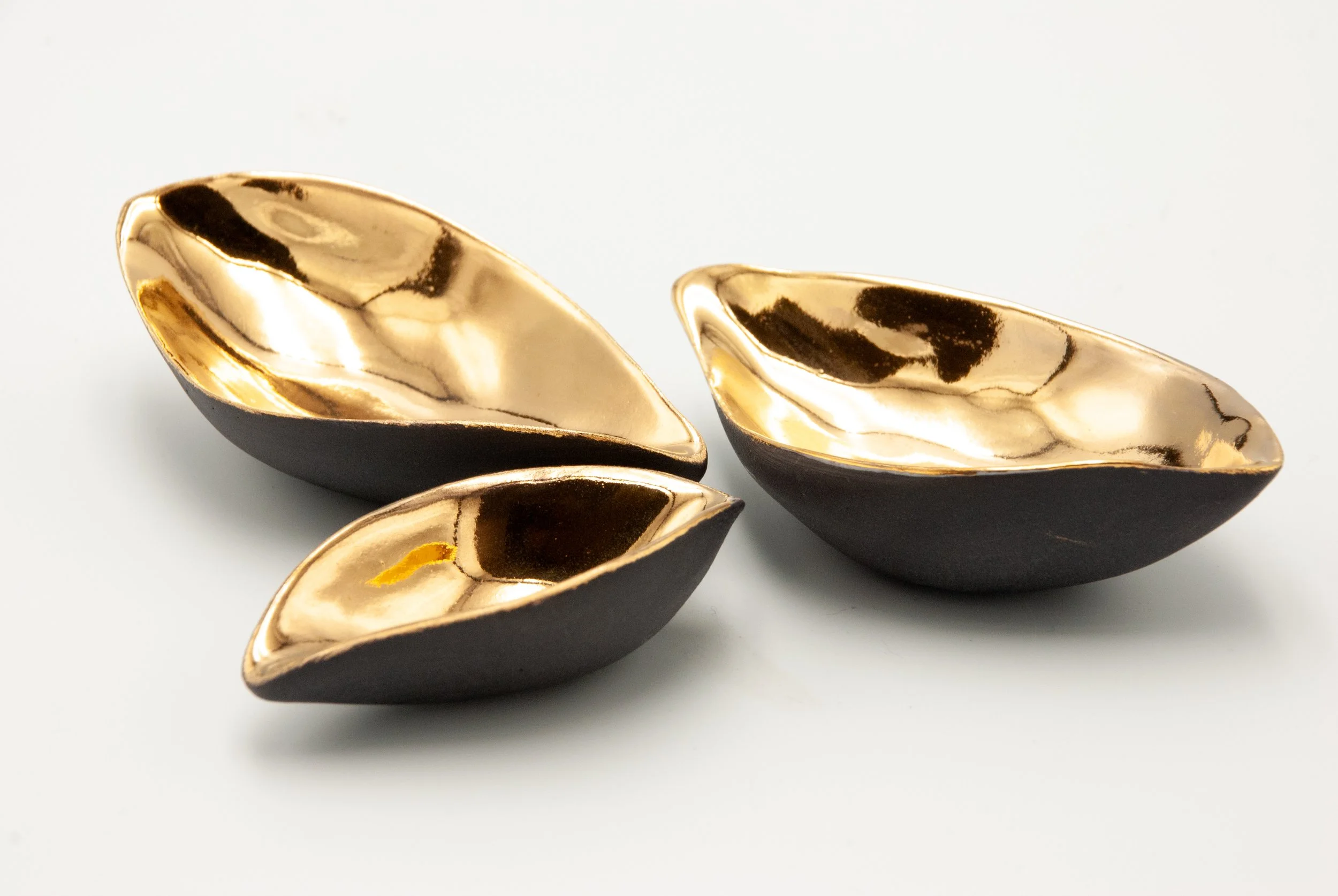
Under the Tree 2026: Contemporary Crafts for Christmas
Jubilee Gallery, 24 October 2026 - 9 January 2027