
Moon Jars of Dartmoor
A materials research project by members of The Ceramics Studio of Imogen Taylor-Noble at Dartington.
A Green Maker Initiative exhibition
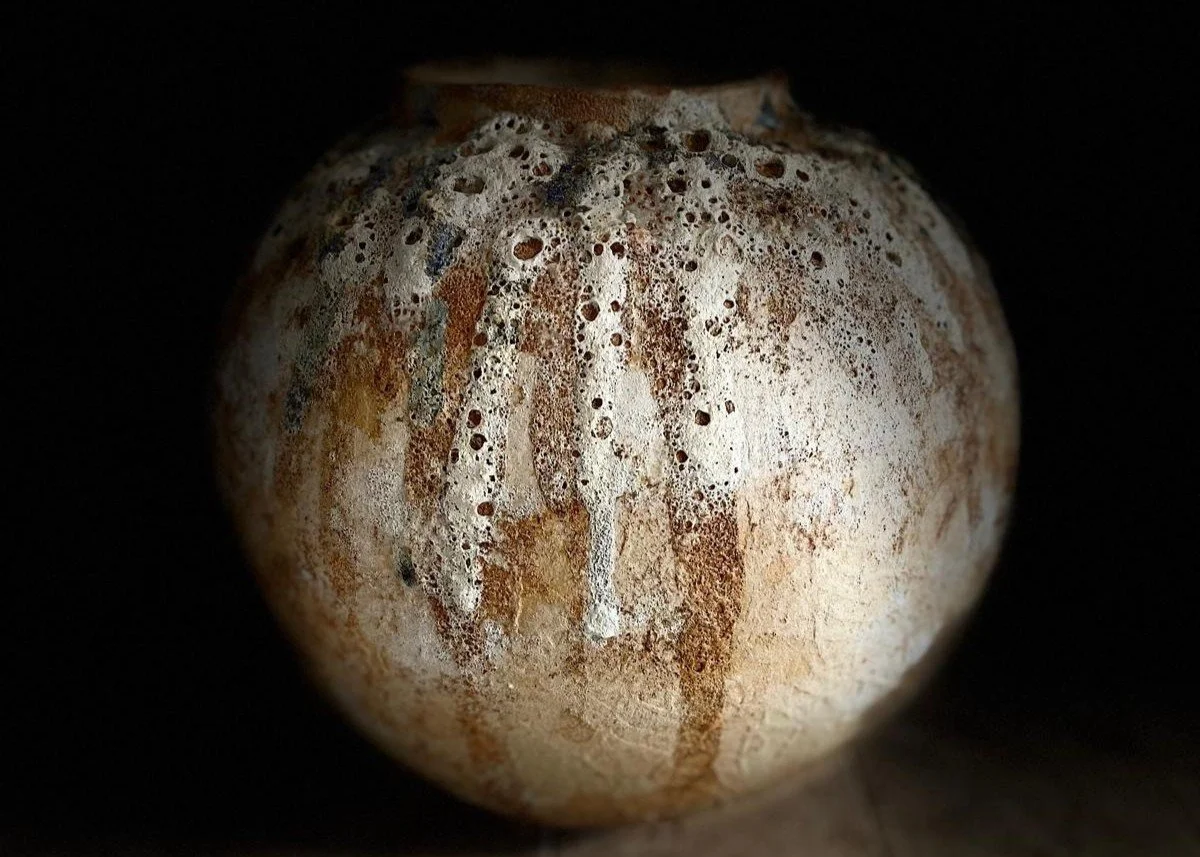
Moon Jars
The form of the Moon Jar belongs to the Korean ceramic tradition of the Joseon Dynasty (1302-1910).
They were made from the 16th Century and were originally made from Porcelain, a fine white clay. They are known for the strength and asymmetry of their form, being made from 2 separate halves (originally rice bowls) which are later joined together. They became a Korean national symbol of identity after the Japanese occupation, conveying qualities of purity, restraint and simplicity. The ancient Moon Jars are still much revered.
Dartmoor
Dartmoor has long been linked with the development of ceramics due to the decomposition of the Granite Batholith of which it is formed. As Granite breaks down over millennia it decomposes to a fine white clay, an essential resource in the modern world. Dartmoor is also made of many other minerals which have been exploited over time – the earliest tin extraction belonging to the Bronze age.
1 August - 19 September 2026
The Print Room
Saturday 1 August, 2pm - 4pm: Opening event and Meet the Maker with Imogen Taylor Noble
The idea
If we could only use materials that have come from the Dartmoor area, and if we only made Moon Jars what would we make?
If we worked with the values of respect for the environment and a very small group of materials what could we make?
Process
We looked for clays that had been exposed by weathering in stream beds, riverbanks and within the roots of fallen trees and trees that were being planted. We were also gifted some raw unprocessed clays from North and South Dartmoor which are extracted for industry.
These we tested in many combinations to see what we could work with and if any of them were manageable in practical terms. Did they tolerate the kiln temperatures? Could we make anything with them?
We picked up rocks, stones and gravel that were in our paths as we wandered Dartmoor and the lands on its skirts where we live. These we first sintered in the kiln before crushing them and grinding them to powder. Then testing them as potential glaze materials along with the clays and ash. We gathered Bracken, Nettles and Gorse and burned them to create ash to add to our potential glaze materials.
After much testing and re-testing and learning how to work with this small group of materials the final pieces have been fired in either the electric kiln of my studio or in one of 2 wood fired kilns owned within the group.
About the exhibitor
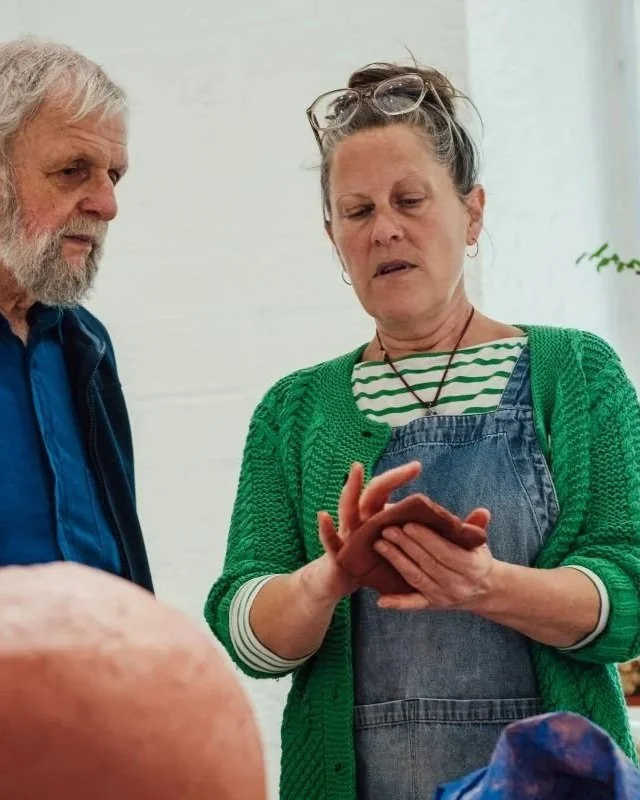
Imogen Taylor Noble | Ceramics | Devon
Drawing with clay, painting with fire.
Imogen's work is process led and based in material practice. She is interested in the extremes of the materials she works with: clay and fire, and aims for the essential qualities of plastic clay and extreme heat of the kiln to remain visible in the finished piece.
Nature and ecology have remained underlying themes for her work and inform her interest in using place specific materials in her making and firing processes, enabling her to inhabit the links between the creative process and the materials of her environment. The processes of gathering, drying, blending and sieving these basic ingredients are physical and simple. They are also time consuming. Being connected to the materials at this level allows her to get to know them and to notice and work with their particular qualities.
Her work aims to create a space for contemplation and re-connection to the planet and to our role as it's temporary stewards.
She has been making work in clay since 1985, exploring the vessel and live flame firings. Imogen trained at Camberwell School of Arts and Crafts gaining her degree in 1990.
Website: imogentaylor-noble.com
Instagram: @taylornoble_ceramics
Plan your visit
Open Tuesday - Saturday, 10am - 5pm.
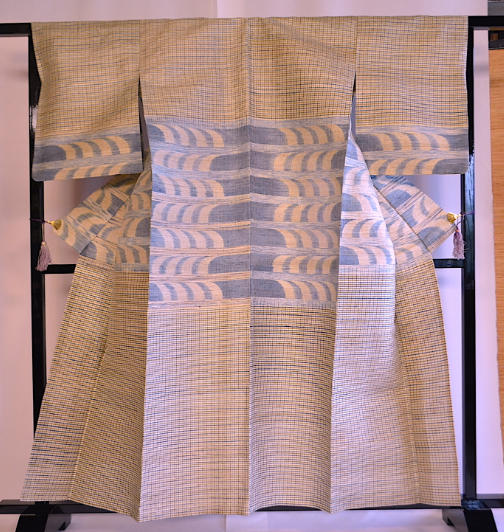
Kudzu: and other natural fibres in Japan
Riverside Gallery, 12 September - 31 October 2026
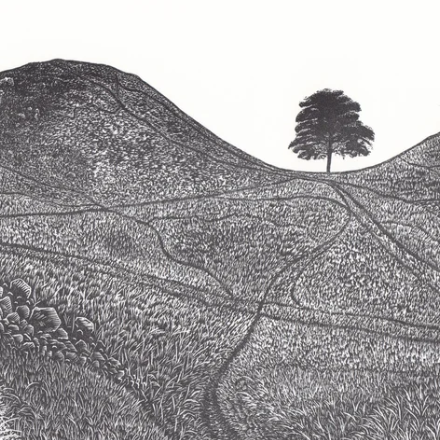
Maker Showcase - David Robertson: Printmaking
Maker Showcase Gallery, 4 July - 12 September 202
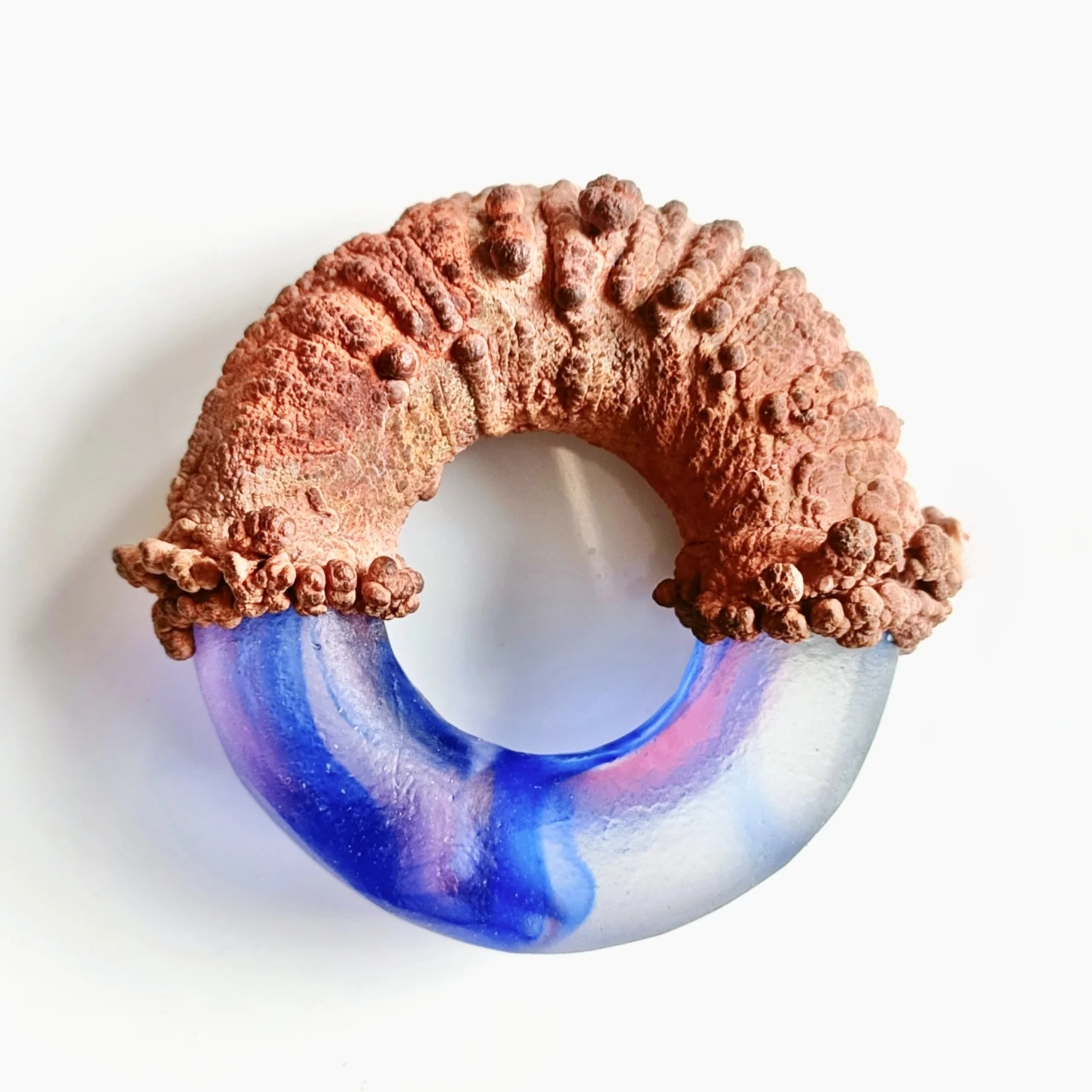
The Summer Show 2026: New approaches by our Maker Members
Jubilee Gallery, 18 July - 10 October 2026
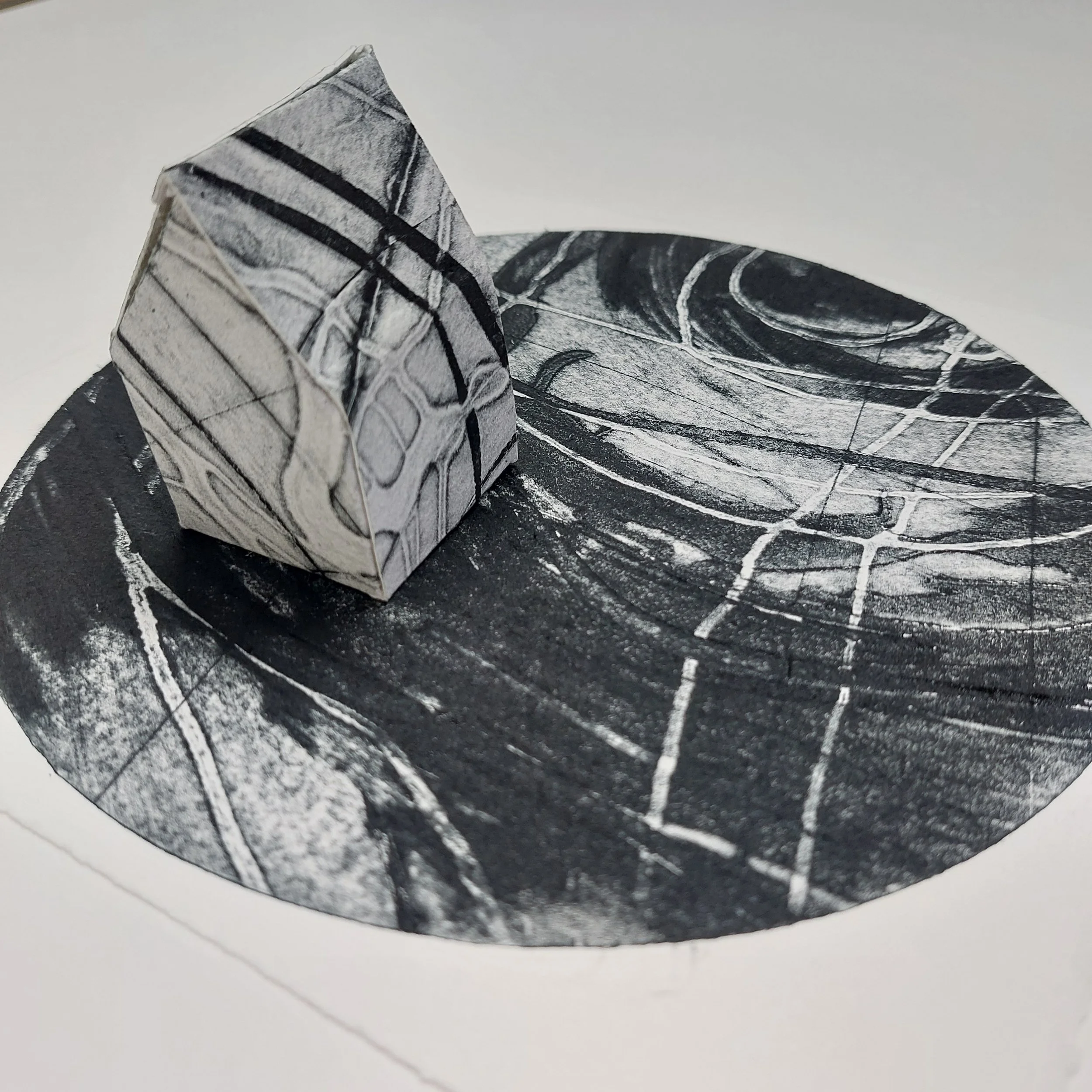
In Praise of Small Things: an exhibition by Anita Reynolds, Lucy Spink and Rebecca Walklett
Riverside Gallery, 27 June - 5 September 2026