


Gail Stubbs | Ceramics | Devon
Gail Stubbs is a ceramicist who makes both functional and installation work based in South Devon. Gail’s work is closely associated with the complex issues surrounding the mechanisation of food production, overfishing and fish politics. The work exists in the realm of social political commentary through craft production.
Fishing related images have been screen printed onto slabs of white stoneware which have been used to form plates using a RAM press with dies cast from factory made originals. The screen-printed images distort when pressed illustrating how the narrative of food and fishing is sometimes romanticised and warped by both marketers and consumers.
Maritime phrases were used to convey suggestions of the frailty of marine life and dangers of overfishing and the situation humans find themselves in with regards finite resources. Mass production methods of ceramics have been used as a canvas to mirror the mass production and processing of food.
Westcountry clay has been used and limited firings carried out during the making process enabling the production of the work with a low carbon outlay.


Lyndsey Gates | Glass | Devon
I am a glass artist who combines the crafts of stained glass and silk-screen printing. I use a silk-screening process to create images on glass with enamel, powdered glass, and acid. The glass is then kiln-fired many times to permanently embed the images.
For me, experimenting with these processes is challenging, detailed, and yet highly rewarding. Each piece is unique due to the unpredictable nature of the medium. Subtle variations emerge after each firing, creating distinctive patterns and details.
My inspiration is highly drawn by nature, geometry, symbolism and a tinge of dark, doomy loud music! I often incorporate plants and greenery to construct living, functional beauty. Plants and greenery are not just decorative elements; they are integral to the pieces themselves. This integration allows a sense of growth and resilience, mirroring the natural world's constant dance of life and renewal.
I am also committed to sustainable practices. Each frame, border, and stand is crafted from salvaged wood, giving each piece a unique story. By incorporating reclaimed wood into my work, discarded materials enjoy a new life.
My glasswork encompasses techniques including traditional stained glass methods using copper foil and lead, and kiln-fired work that integrates screen printed enamels and finely sifted powder glass frits to create patterns, and imagery.
I am a member of Double Elephant Print Workshop in Exeter, utilizing their amazing facilities to help create my screen-printed glass works.
Although my journey with glass started several years ago, it was the transformative events of the pandemic and the birth of my daughter, that allowed me to reflect on my love for this craft, igniting a renewed sense of self-discovery and motivation to nurture my confidence with glass and propel it forward.
My path with glass is yet to unfold fully, and I am enthralled by the possibility of refining my craftsmanship and cultivating my skills further.


Jenna Barnes | Jewellery | Cornwall
I started my business from my kitchen table after the birth of my little girl in 2022. I needed to fit my business around my home life because I also have twin boys of primary school age, and my part time job in my local library was no longer a good fit. However it has been a dream come true to have the opportunity to pursue something that I have always wanted and have always been developing in my spare time.
I knew I wanted to make jewellery from a young age and went off to university to study Metal Work and Jewellery at Sheffield Hallam University and graduated in 2003. (After the first semester I transferred onto the fine art course, I felt I wanted to explore ideas and other materials). After graduating, I worked as an artist exploring mediums such as textiles and painting. I then went on to work for OnCourse SW, managing and teaching a wide range of art courses to adults. I also worked as an art tutor with young adults until my twins came along in 2016. I continued to experiment with materials and techniques and create jewellery in my spare time.
Now as my family grows up I hope I can continue to develop the visual identity of my work.
I am passionate about the qualities of the sterling and fine silver that I am working with and the processes which forms the work. As I play with form, shape and surface texture, ideas come to me. It is like there is a dialogue between myself and the work. The qualities of the silver, how malleable it is when forming, or the way that two pieces can be seamlessly be soldered together are so pleasing. Shapes I have come across through playing inspire new designs, and textures can create contrasts between different surfaces. Different finishes such as oxidised surfaces or highly polished can create an interesting visual dialogue within the same piece of work.
Adding stones for interest and reproducing leaves or shells found in nature also inform my work. Using techniques such as riveting, enamelling or engraving, is a great way to develop ideas in new ways, with the different elements I am developing and playing with at my work bench.
I am loving every minute of this journey and seeing where my creativity will take me next! I am not sure what creative ideas will come, as I work in a way in which allows many possibilities to develop, and I then make decisions on compositions and aesthetics which are the most elegant to form the design.


Jodie Bastow | Ceramics | Devon
I am a potter, painter and artist intrigued by the unconscious part of the self and working with my dreams to access this.
Universal ideas of beginnings, endings and cycles and how everything has a season inspire me to convey these complex ideas in tangible, interactive objects.
My hope is that my work inspires discussion in the viewer, asking them to question who it is they really are and how they live their life.
I work on the pottery wheel and use different types of glazes and firings to finish my pieces. I will be setting up my studio in Devon and building a kiln to create a cohesive set of techniques to convey the concepts of my work.

Funda Ersoysal | Ceramics | Cornwall
I am in constant dialogue with matter—listening, responding, and allowing it to assert its own agency. My practice as a ceramicist is rooted in primitive modern aesthetics, where raw simplicity intersects with transformation and expression. Engaging with eco-somatics and the embodied experience of neurodivergency, I investigate the tension between control and surrender, permanence and impermanence. Each gesture and form emerges from a negotiation between instinct and material resistance, revealing a space where time, presence, and process converge.
At the core of my work is an inquiry into the autonomy of materials, the ephemeral nature of creation, and the ways in which making becomes an act of self-ownership. In this ongoing exploration, the boundaries between self, matter, and time dissolve, leaving behind a record of embodied experience.
Currently, my focus extends to ethical sourcing practices—researching and gathering local clay waste and developing glazes from domestic discarded materials—continuing a practice grounded in care, sustainability, and deep material awareness.
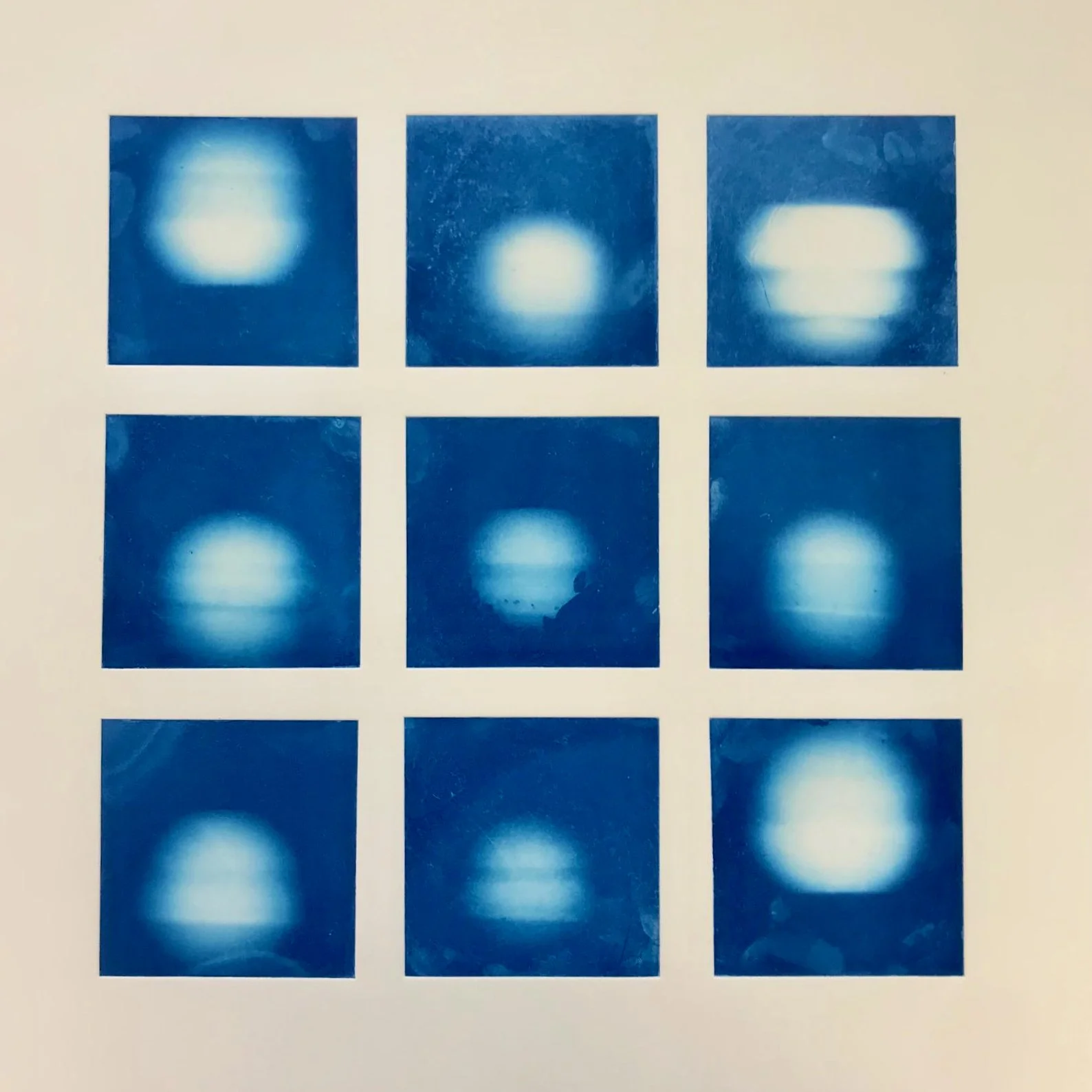
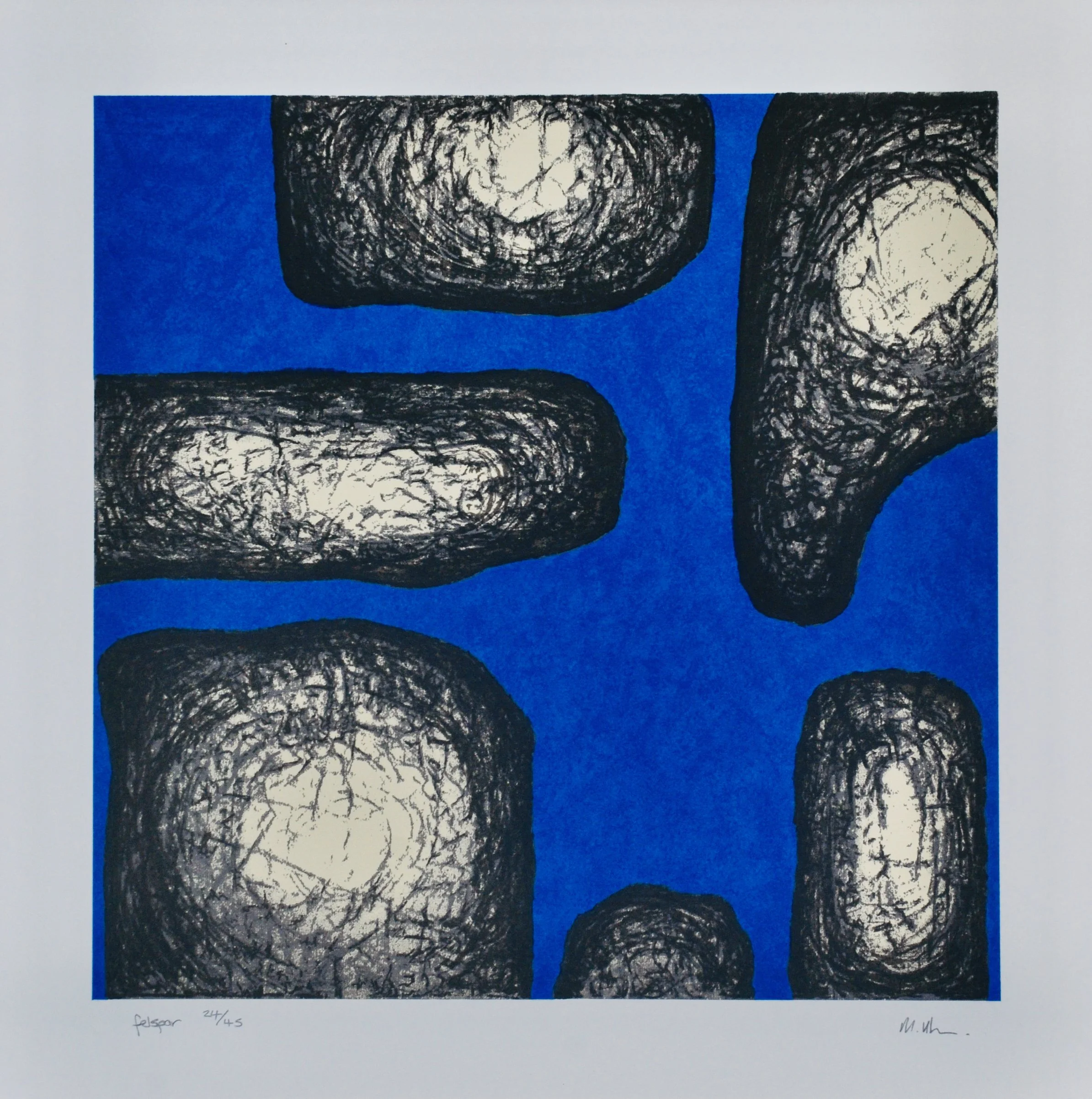
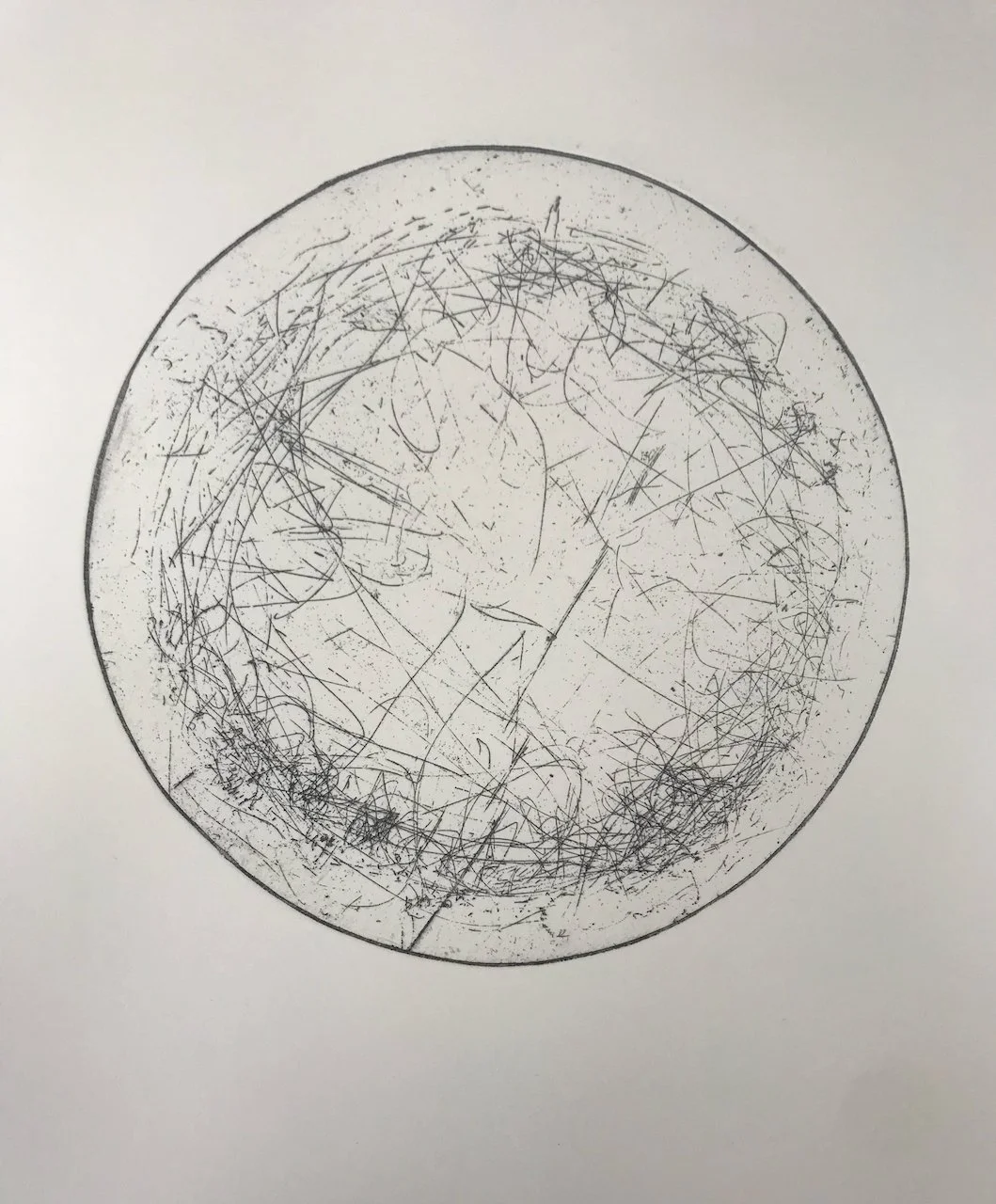
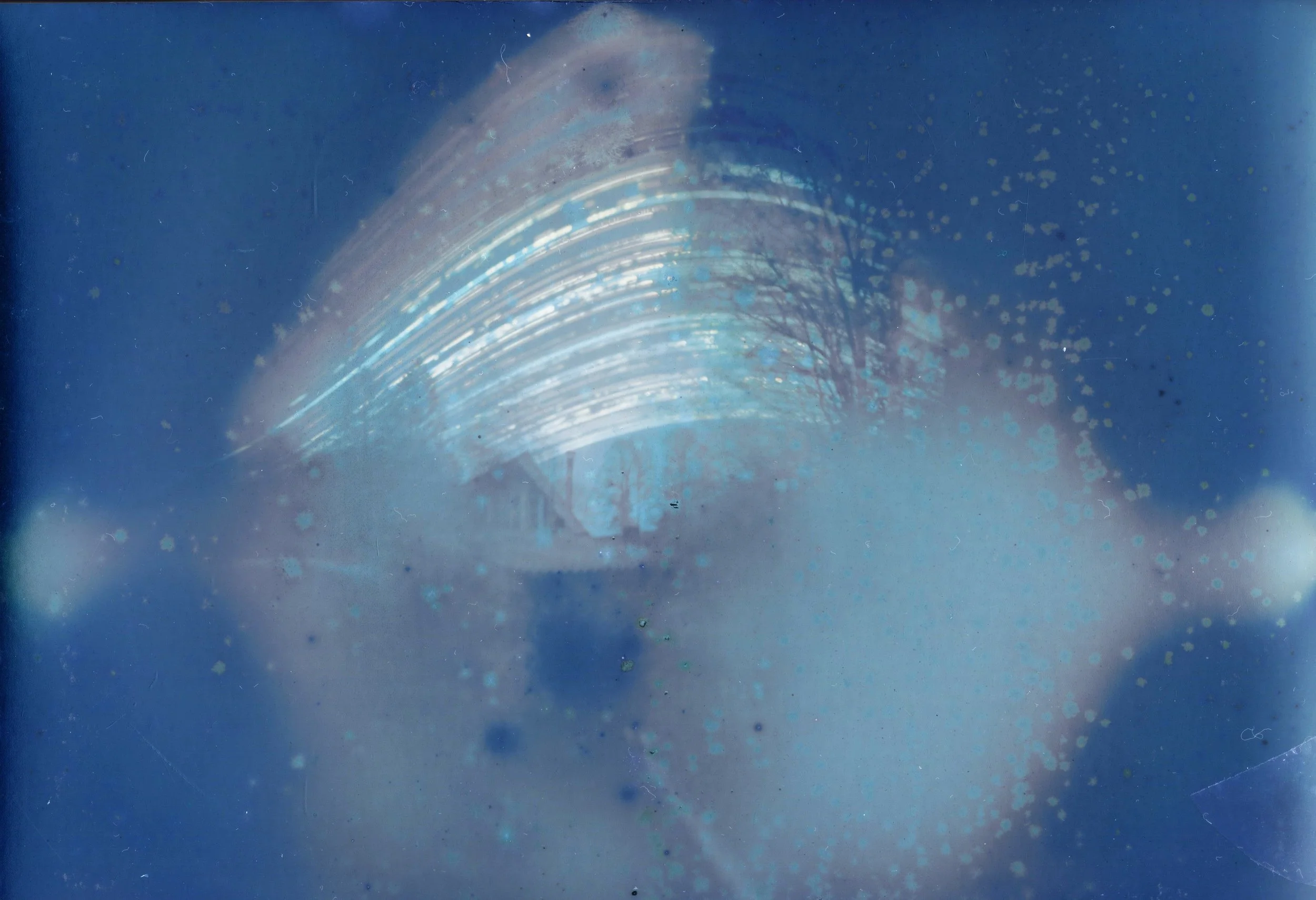
Mark Whenman | Printmaking | Cornwall
Site, process, time and movement are all intertwined. These themes inform the on-going enquiry of my slow, analogue practice.
My intuitive approach embraces and collaborates with the more than human world, and the natural and elemental forces that move around and amongst us.
My indexical artwork provides traces and residues of these interactions. They give materiality to the subject. The themes are bound together and distilled into the artwork.
I work outside; place becomes my studio or darkroom.
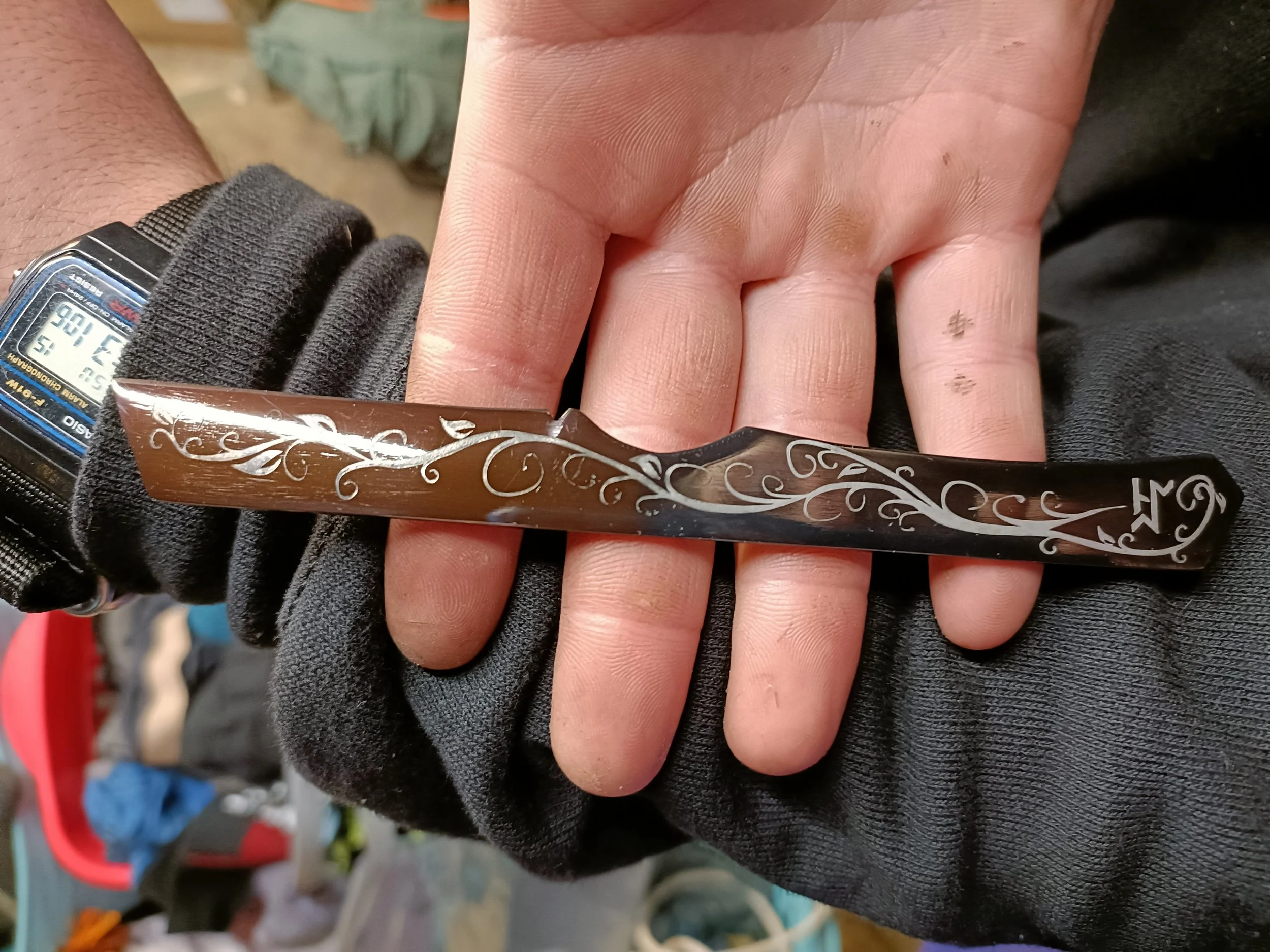
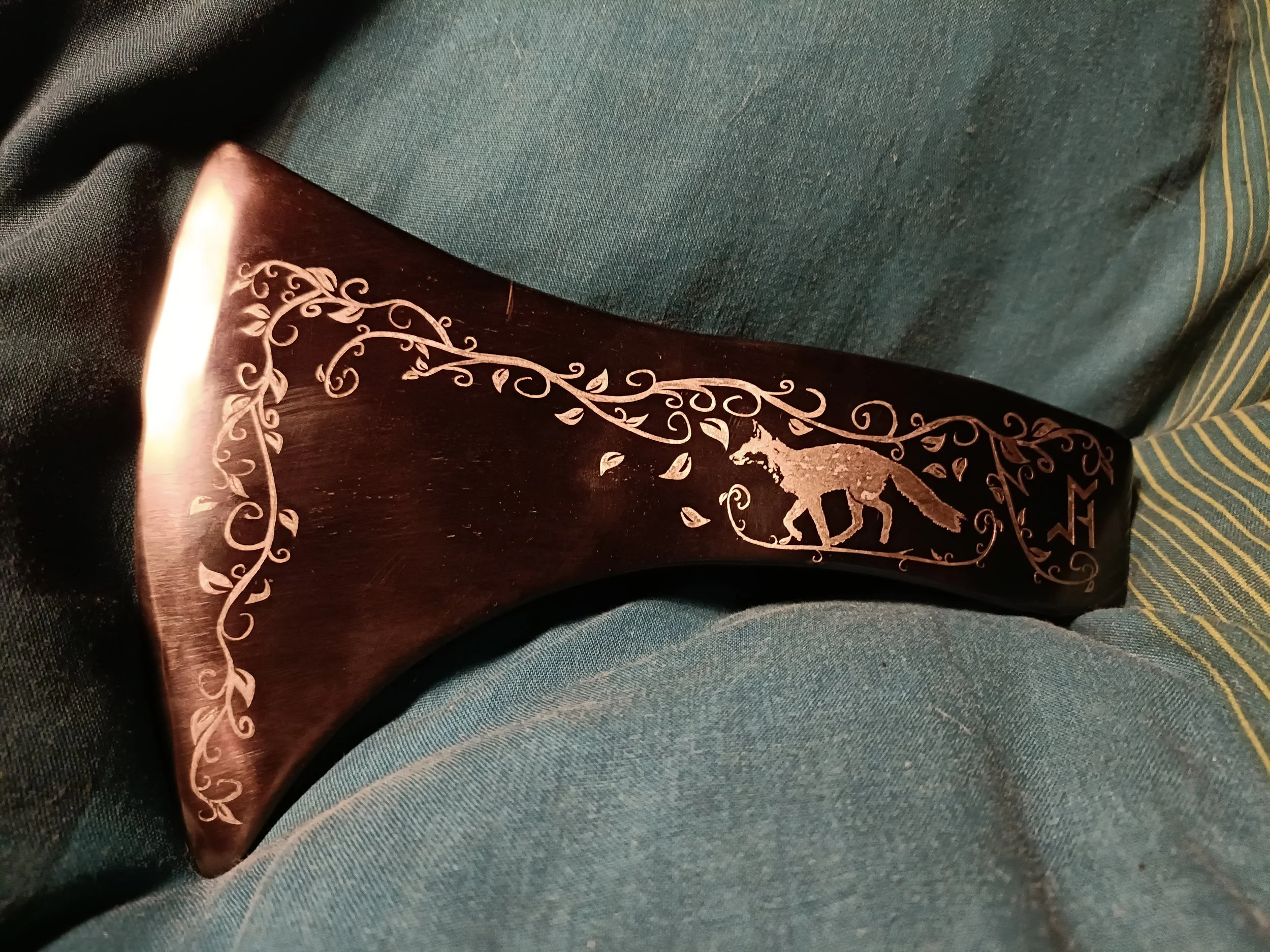
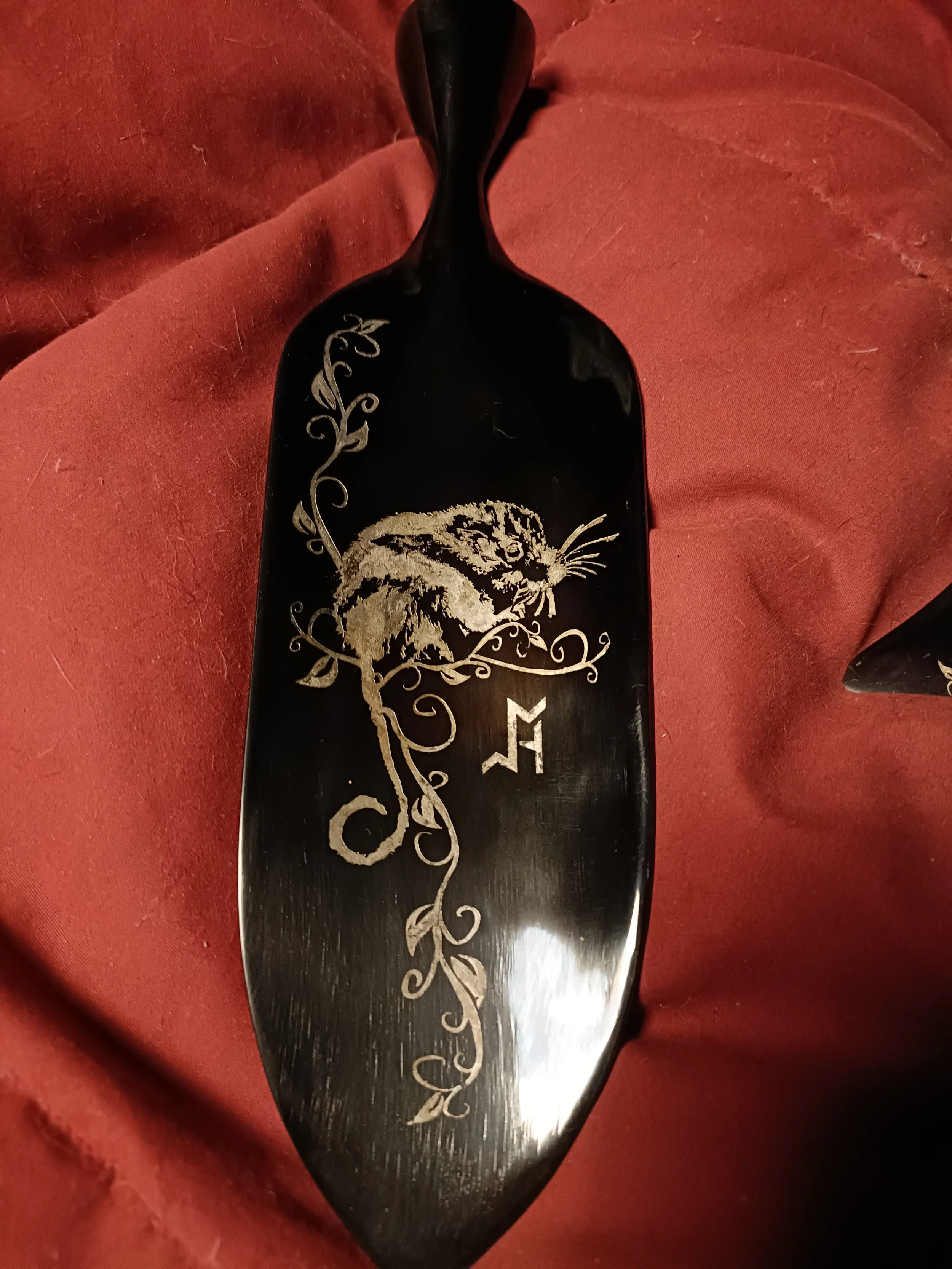
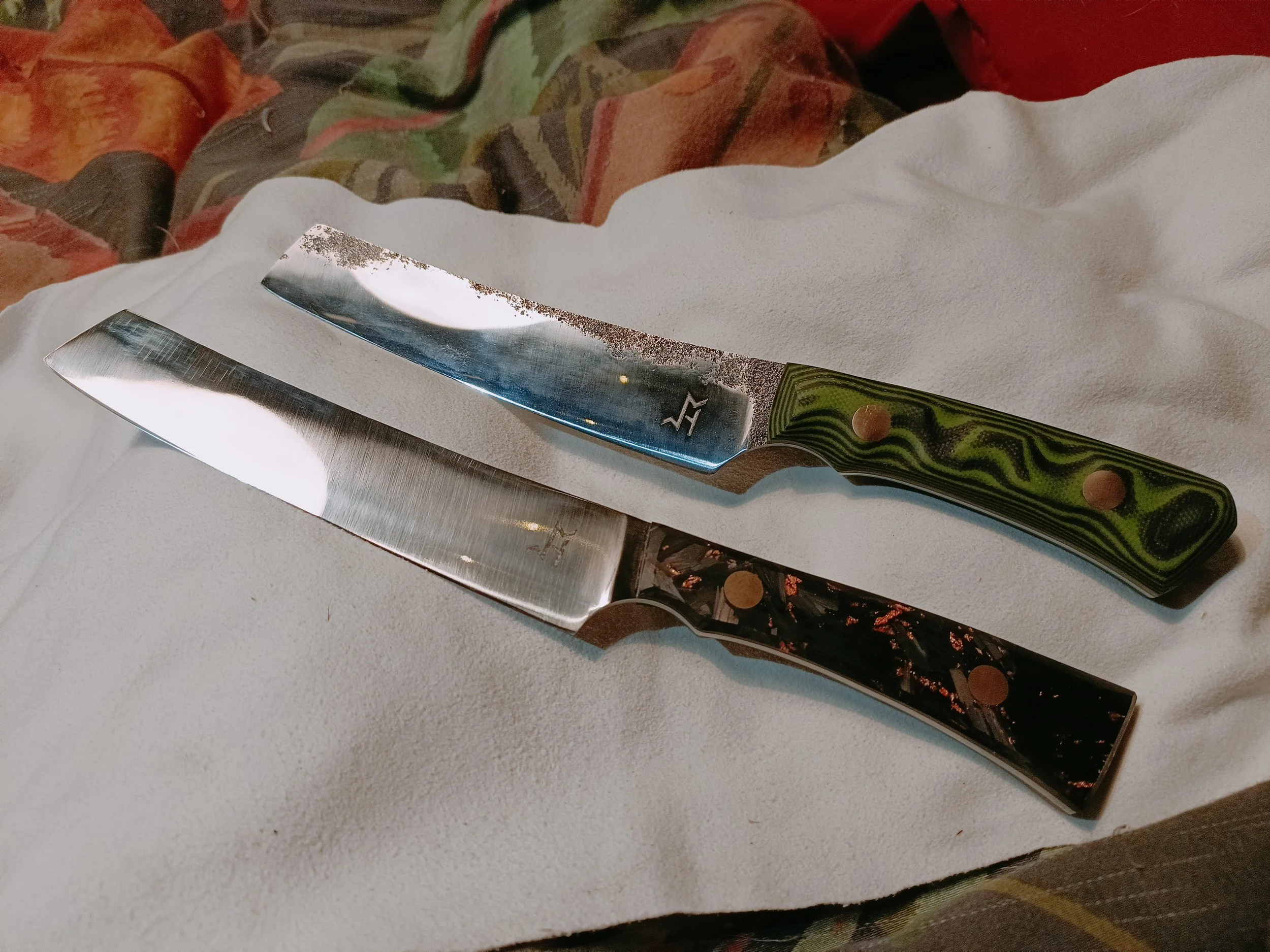
Harvey Munro | Metal | Devon
I like to make things that have a practical use and I like to use wood I find in the woods for handles - tools, axes.
Jelena Dietrich | Ceramics | Somerset
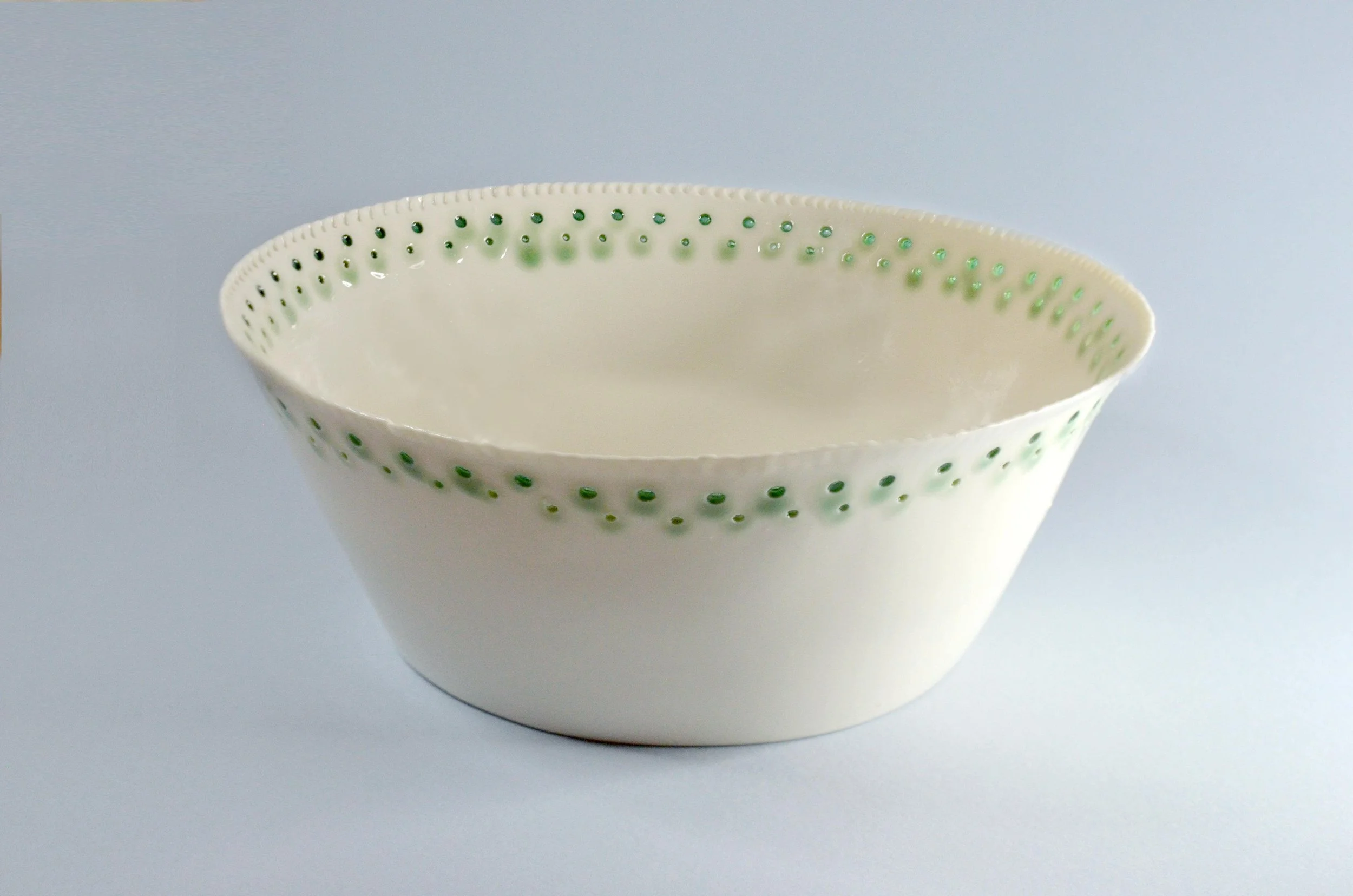
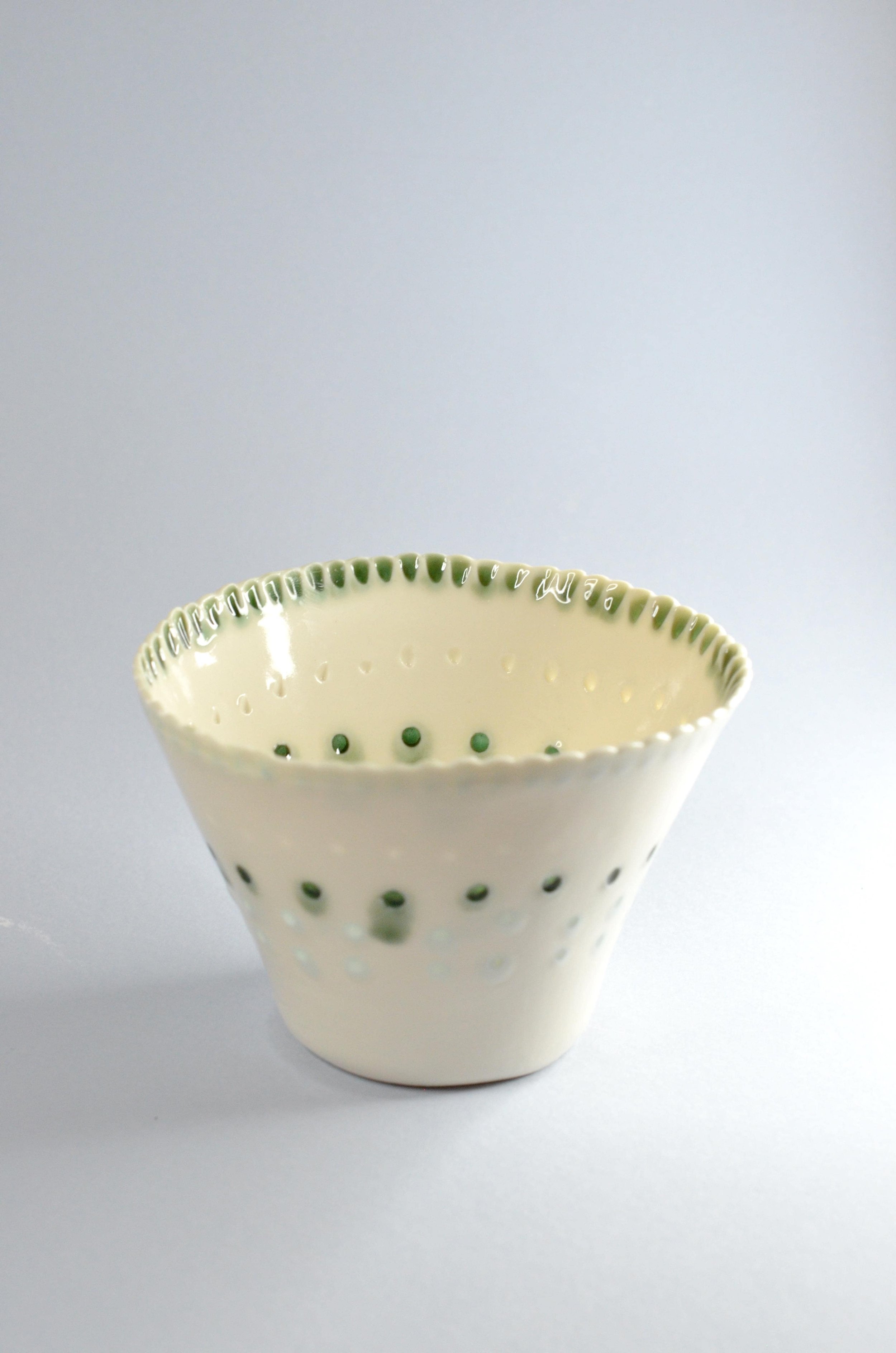
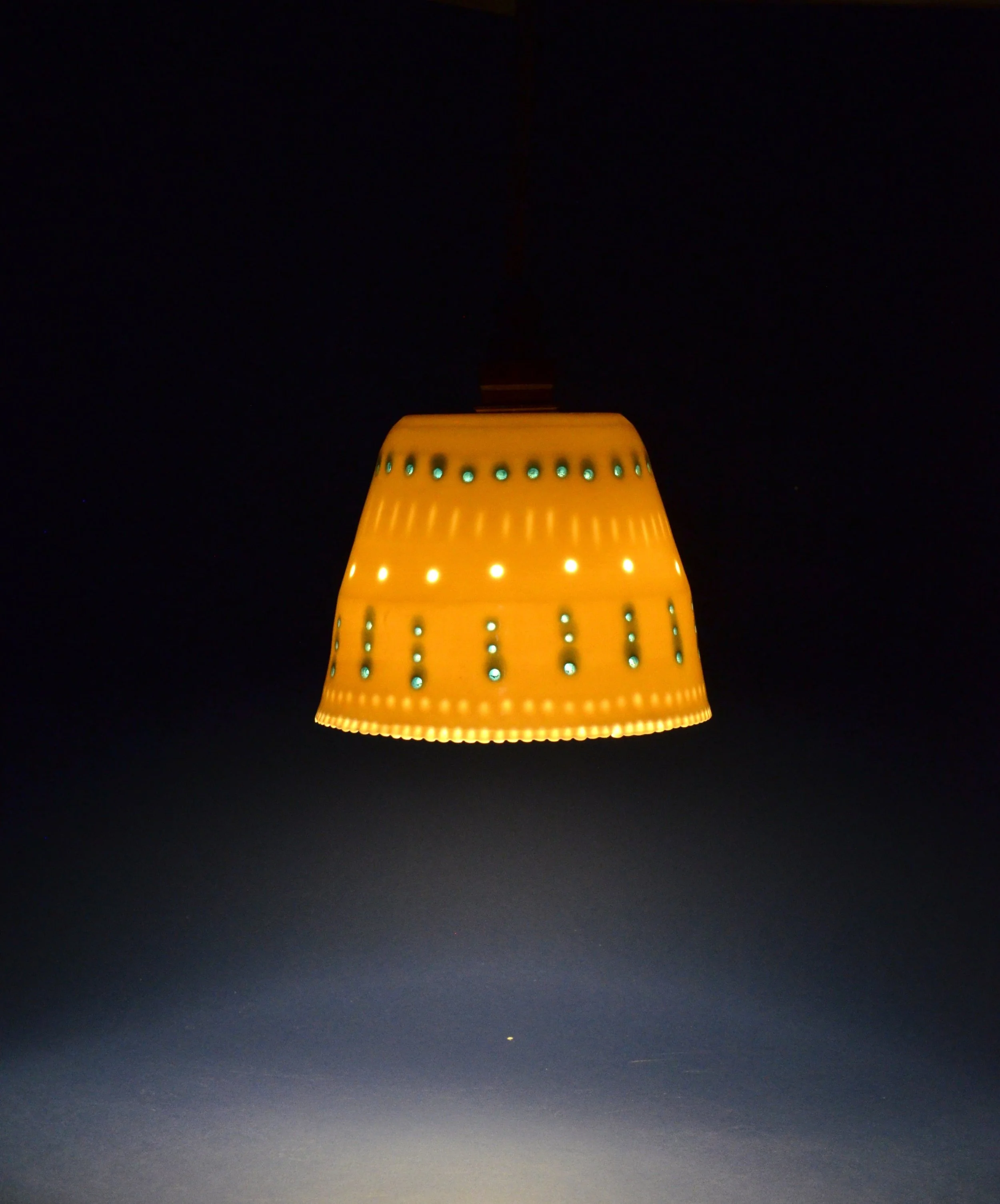
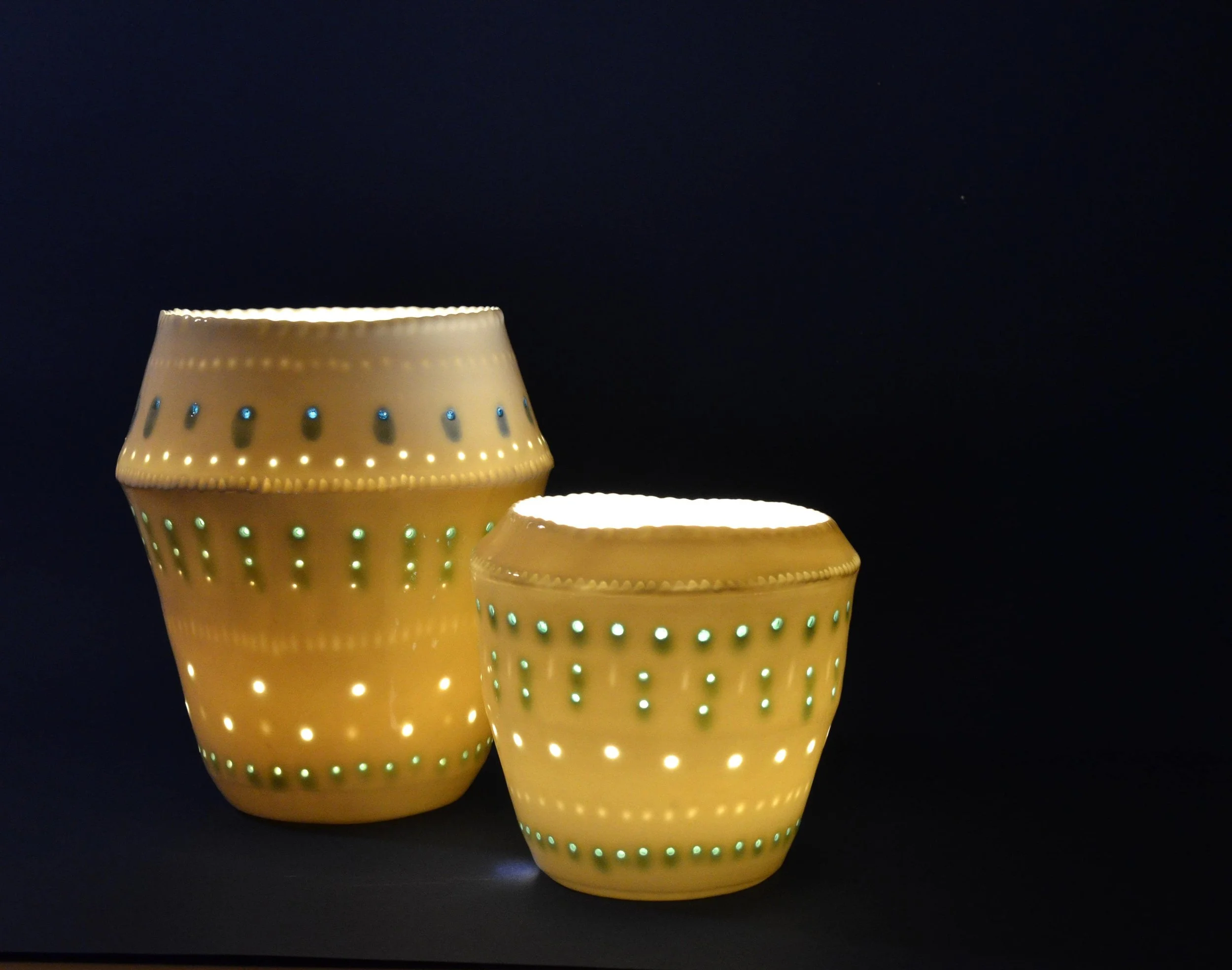
My artistic practice centres on working with translucent porcelain, a material that offers both technical challenge and poetic possibility. I am drawn to its unique ability to capture and diffuse light, revealing a quiet dialogue between fragility and strength, transparency and form.
I create a range of objects including lamps, tableware, and decorative pieces that exist in the space between art and function. Each piece is carefully handcrafted, emphasizing the natural delicacy and elegance of porcelain. Through subtle perforations, soft curves, and restrained decoration, the material allows light to pass through in gentle and unexpected ways, transforming everyday objects into luminous, atmospheric forms.
Nature is a constant source of inspiration in my work, particularly the delicate beauty of plants and the sense of renewal found in spring. Organic shapes, frilled edges, and fresh tones evoke the lightness and vitality of the natural world, while a minimal colour palette enhances the purity of the porcelain itself. Light plays a central role in my practice. Many of my pieces are designed to glow from within, creating a sense of warmth and quiet presence in a space.
I am especially interested in how thoughtful design can elevate the rituals of daily life like drinking tea, setting a table, or lighting a room. By integrating contemporary elements such as rechargeable lighting and minimal fittings, my work bridges traditional craftsmanship with modern living.
Lucy King | Textiles | Devon
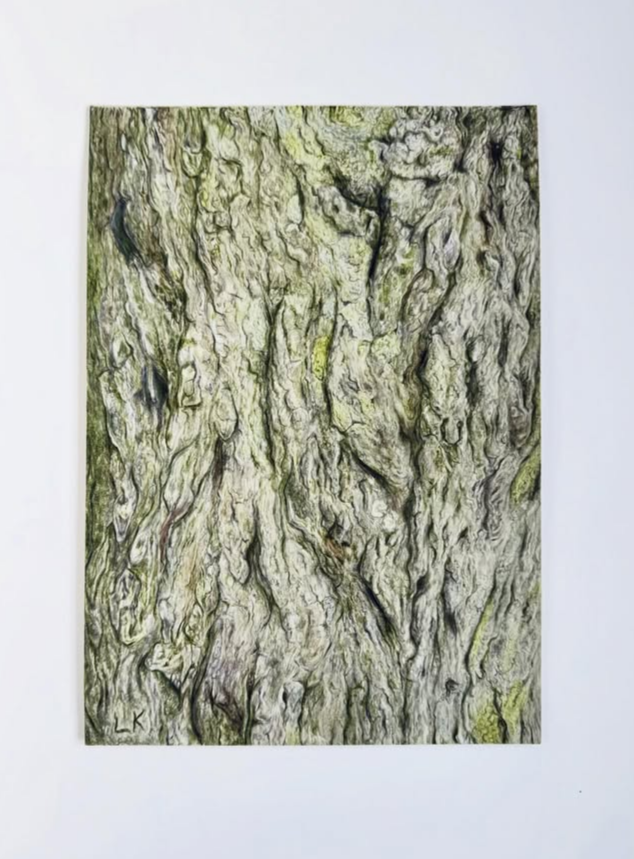
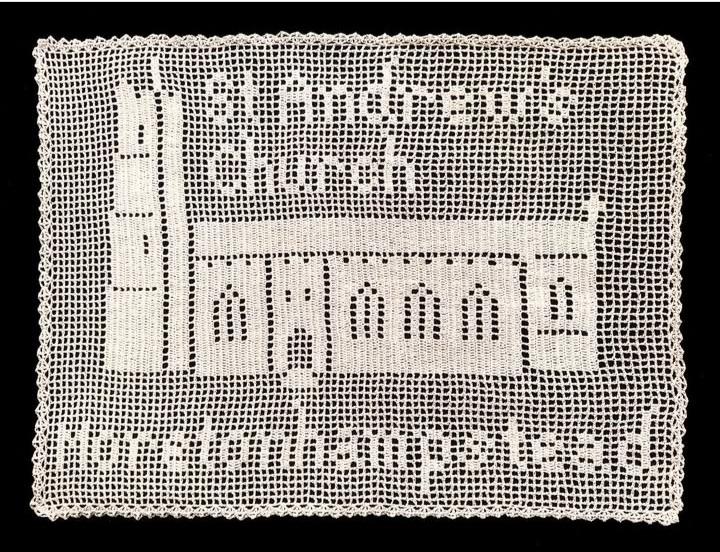
I am a self-taught maker, at the beginning of my career. I am inspired by nature, folklore and history, particularly of Devon. I have been crafting since childhood.
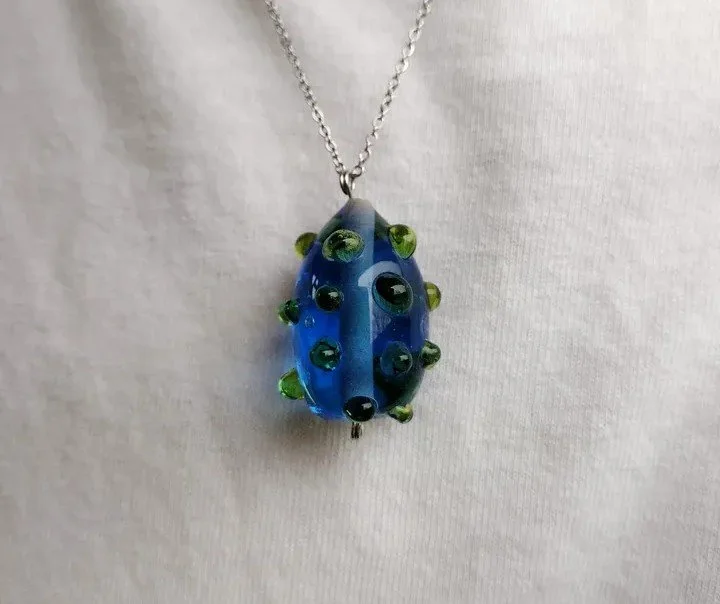
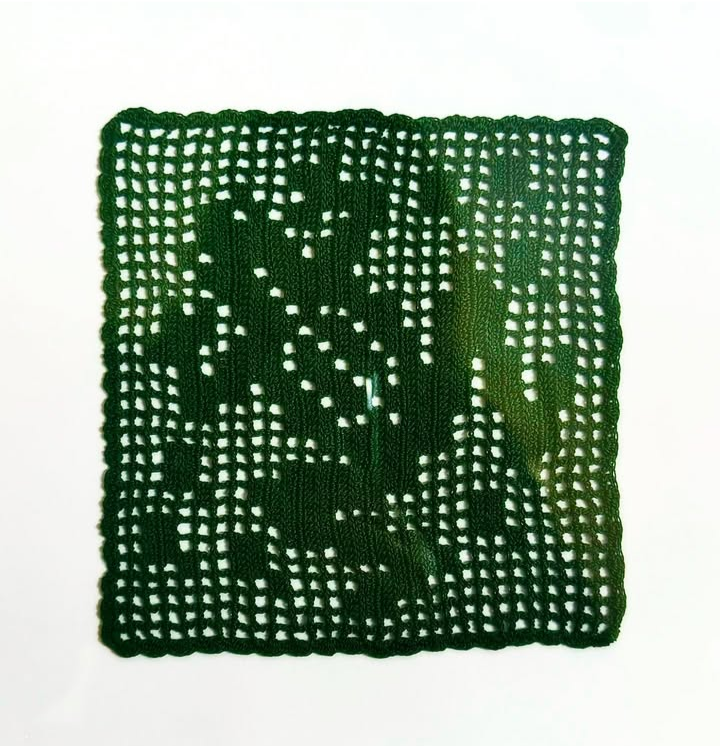
I started working with textiles and making jewellery several years ago by purchasing scrap materials, such as fabric, thread and beads, from local scrapstores and charity shops. I have also made my own glass beads through attending workshops at a glass studio.
One of my aspirations as a maker is to learn a heritage craft.
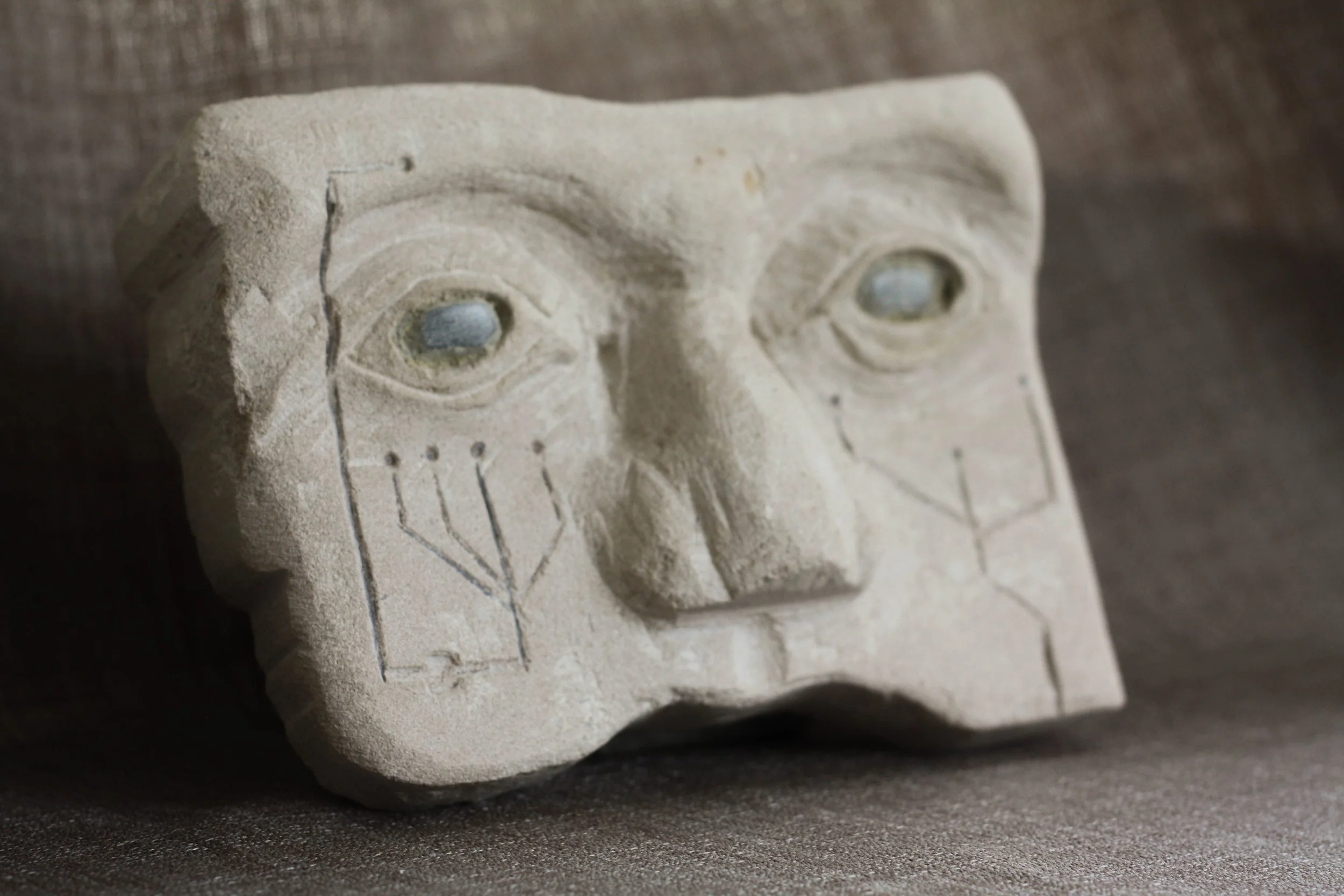
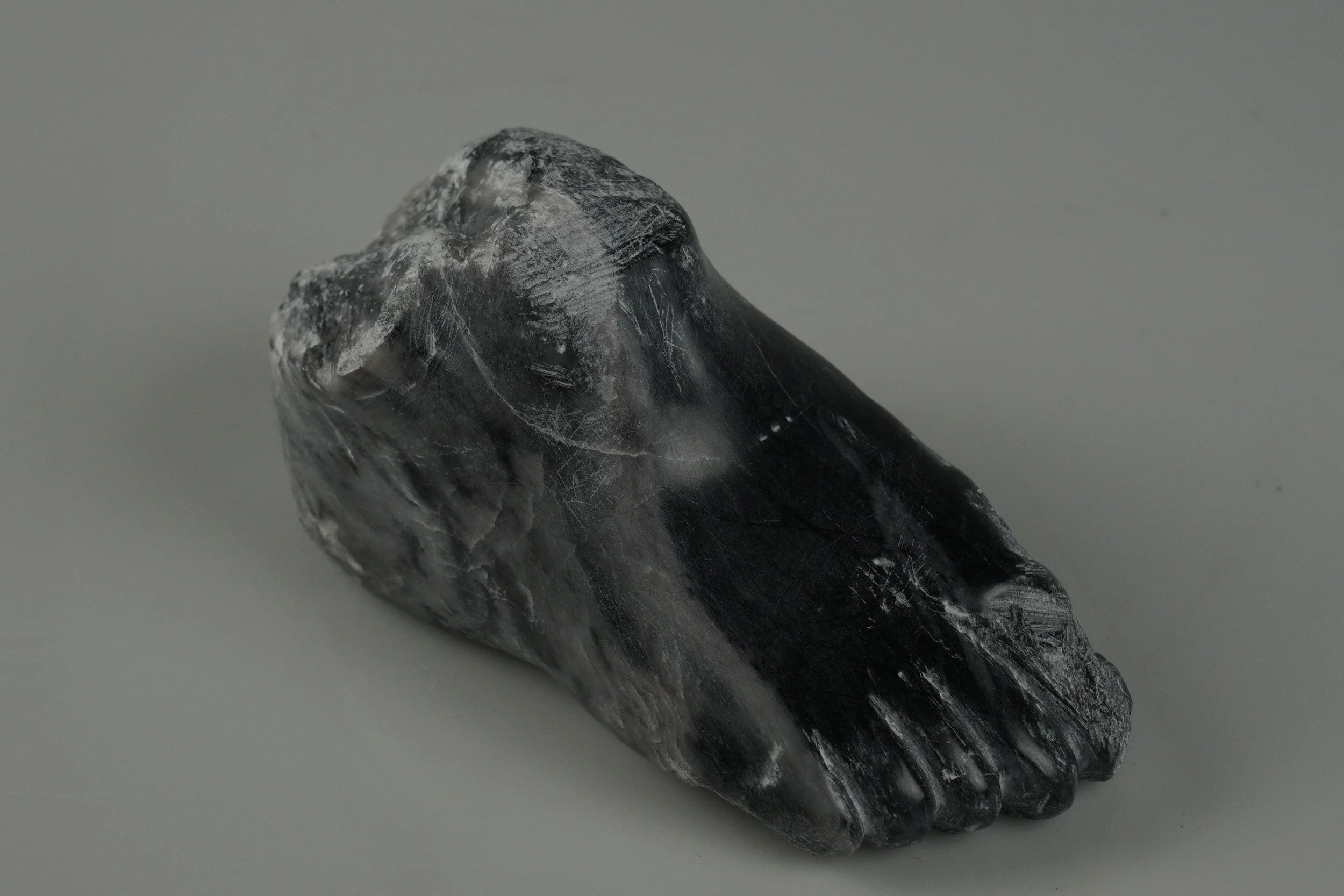
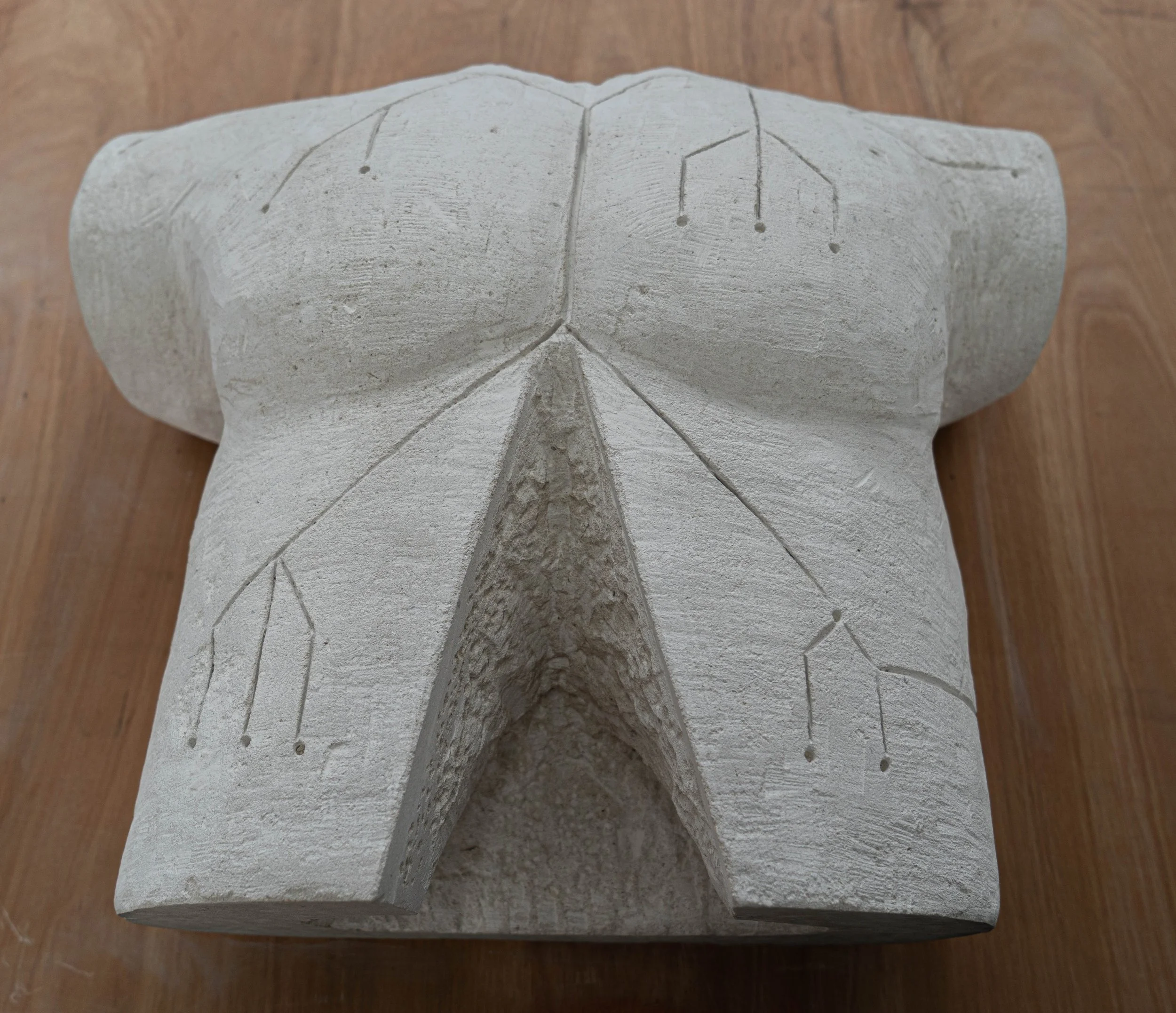
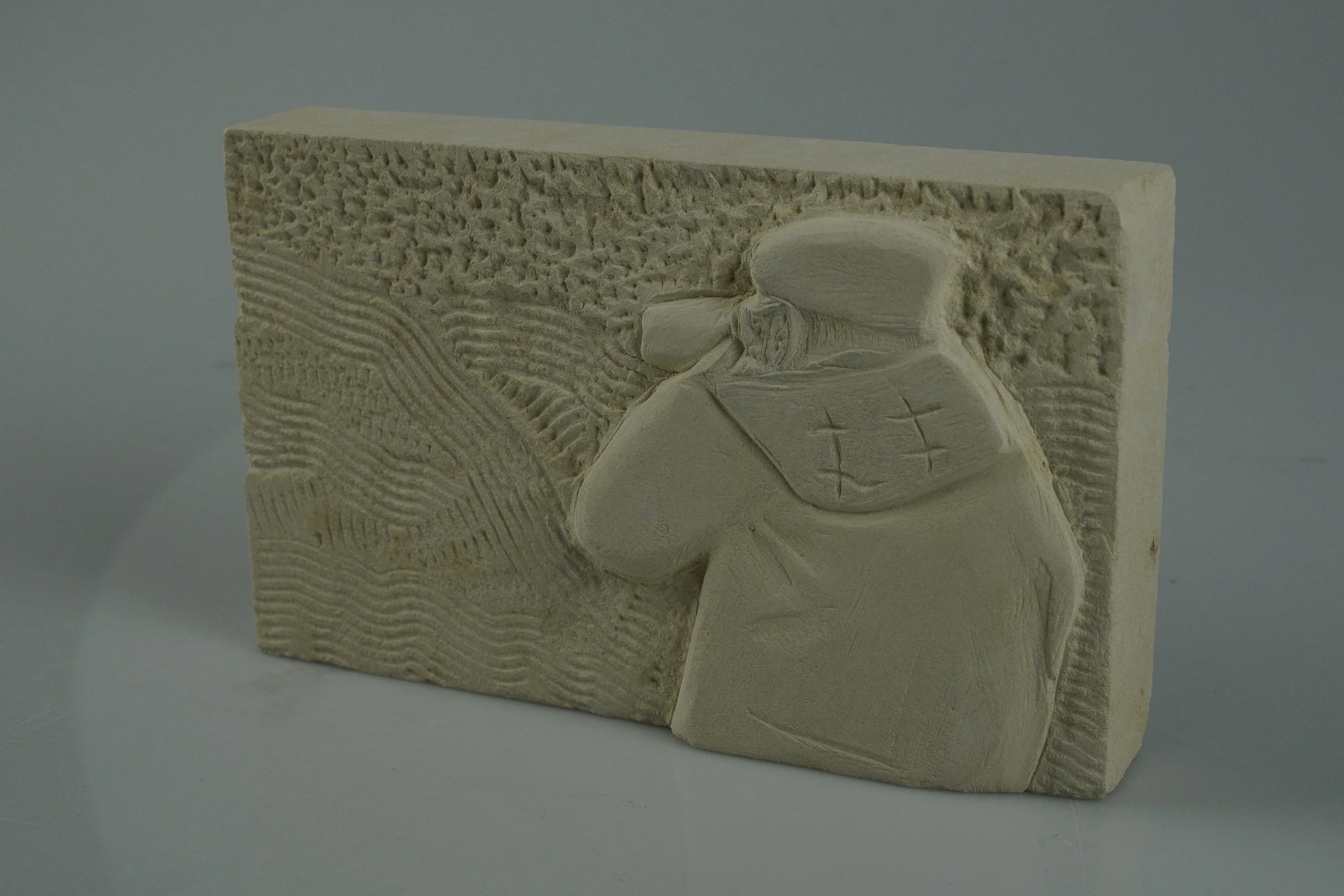
Richard Huntriss | Sculpture | Devon
I have only just finished my degree as a mature student, but I have developed my practice around my passion for hand-tooled stonework. I vehemently believe that this is a practice that needs more exposure and, despite my status as a novice, I am passionate about all aspects of hand-tooled stoneworks, from restoration and construction, to sculpture and homewares.
I am still in need of training, but hope that going forward, I can use my time and skills to promote and explore stonework in a creative and joyous way.
Arianwen Oldridge | Textiles | Bath
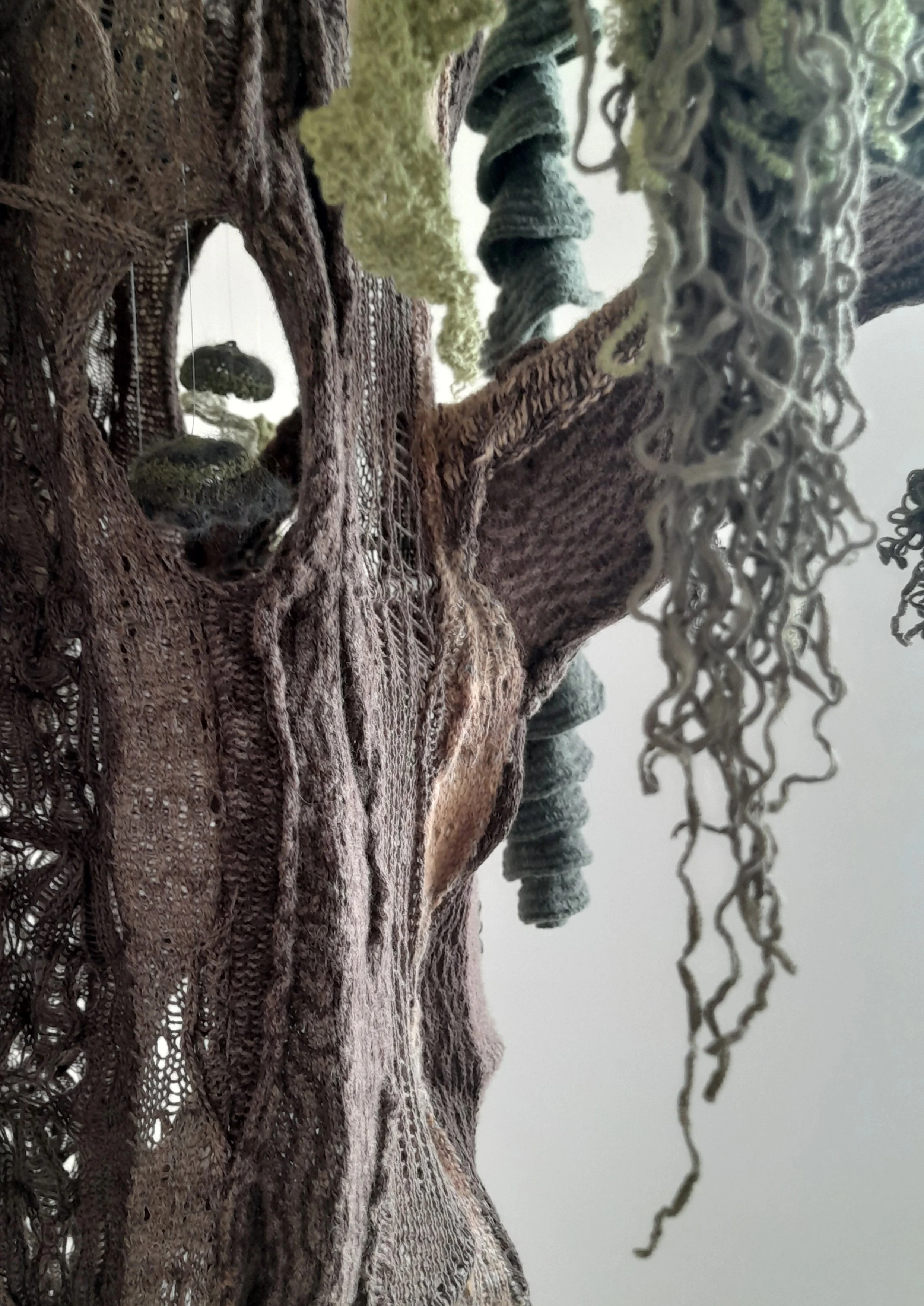
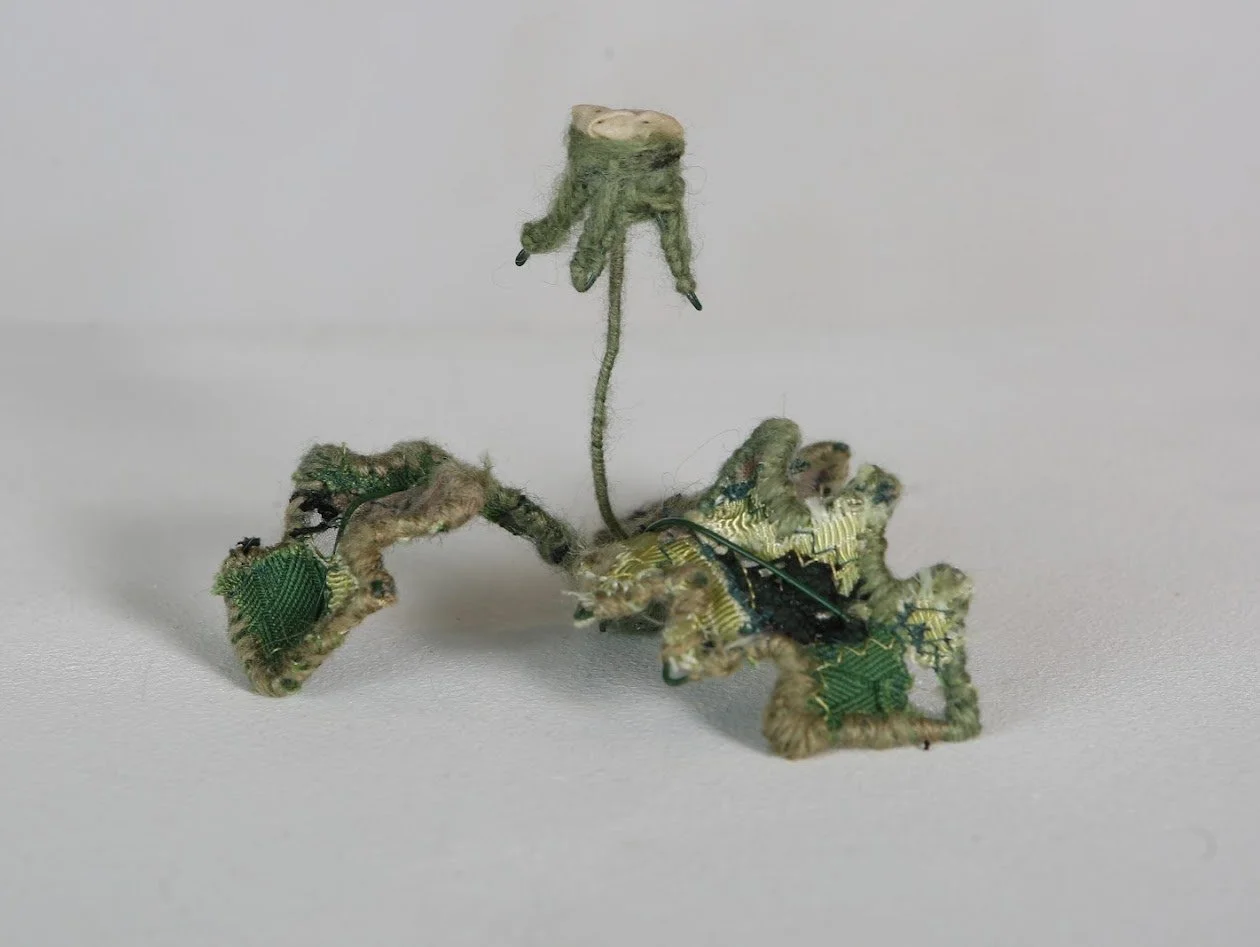
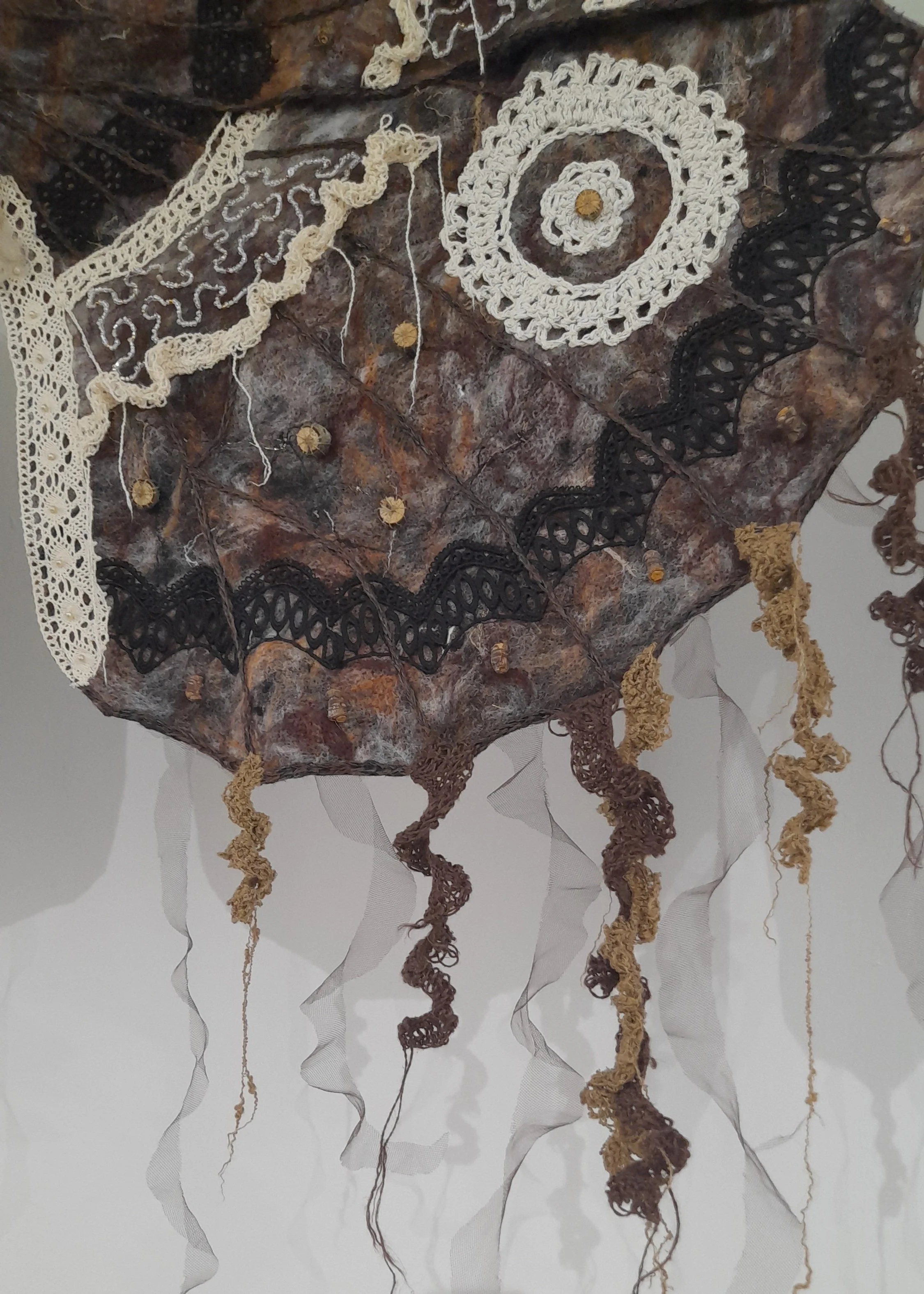
I'm Arianwen, a mixed-media textile artist. My practice is guided by my fascination with all things nature, brought to life through my craft-based creations, making work that all feels like it belongs in the same universe.
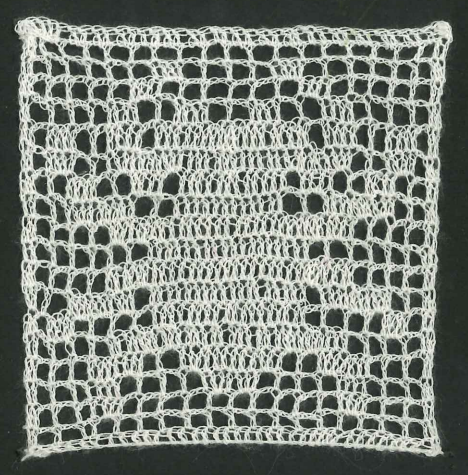
I'm drawn to slow processes and intricate details; the haptic relationship between me and my materials sparks my curiosity and love for skill learning.
Sustainability is a consistent influence on my material choices, I find my projects often stem from second-hand fabrics I've collected, intuitively transforming them into something that holds a little bit of whimsy.

David Janes | Wood | Somerset
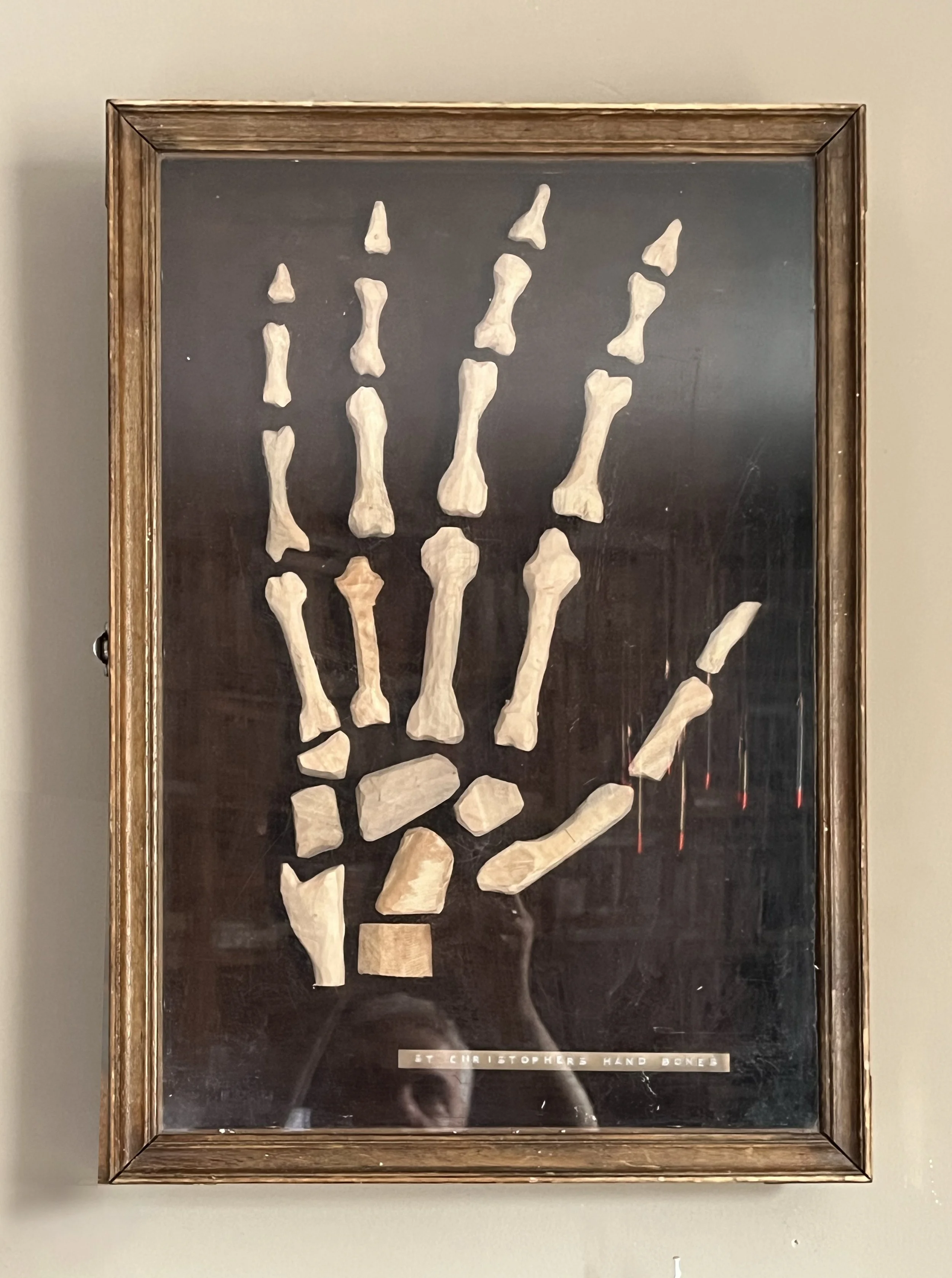
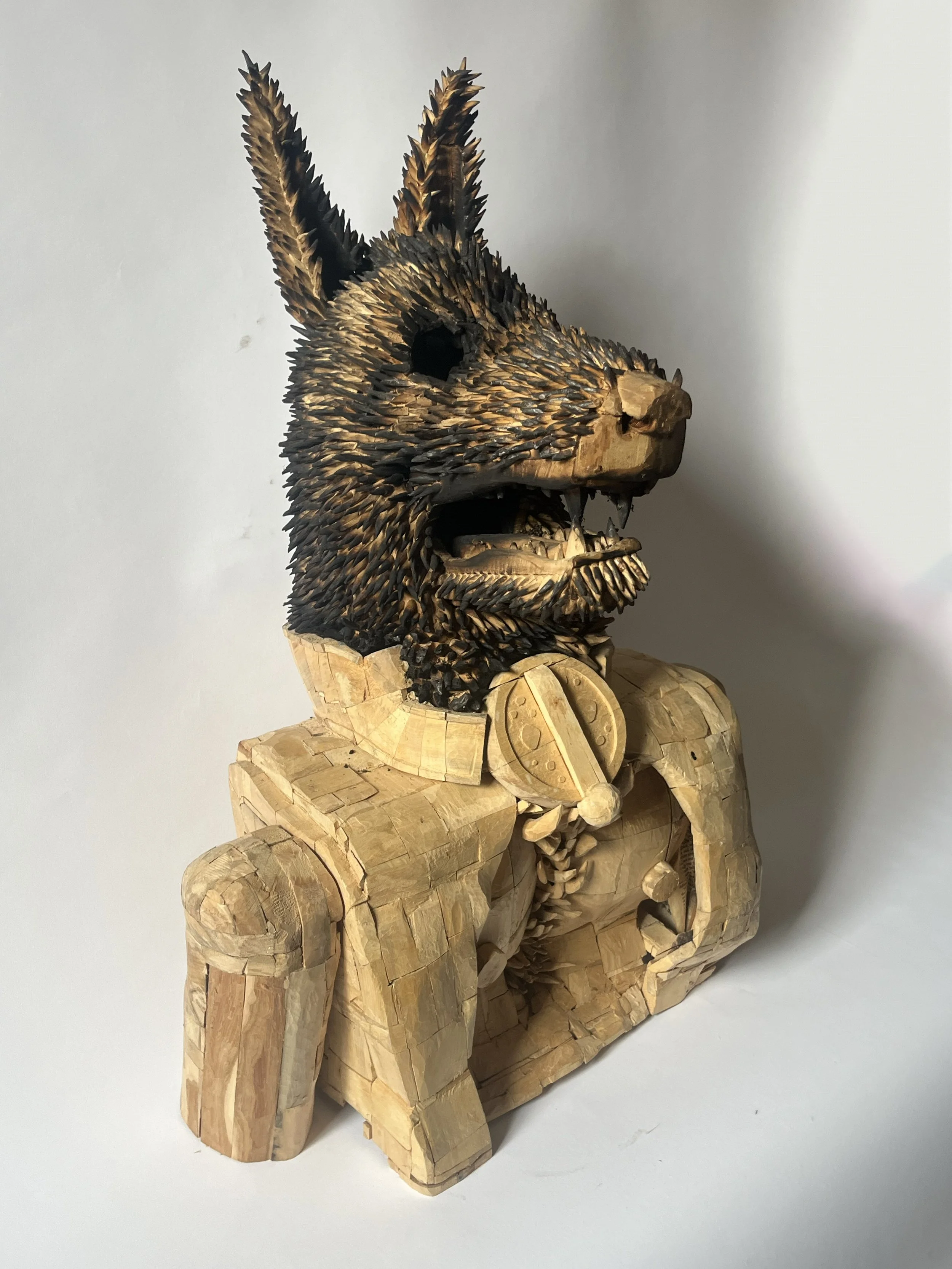
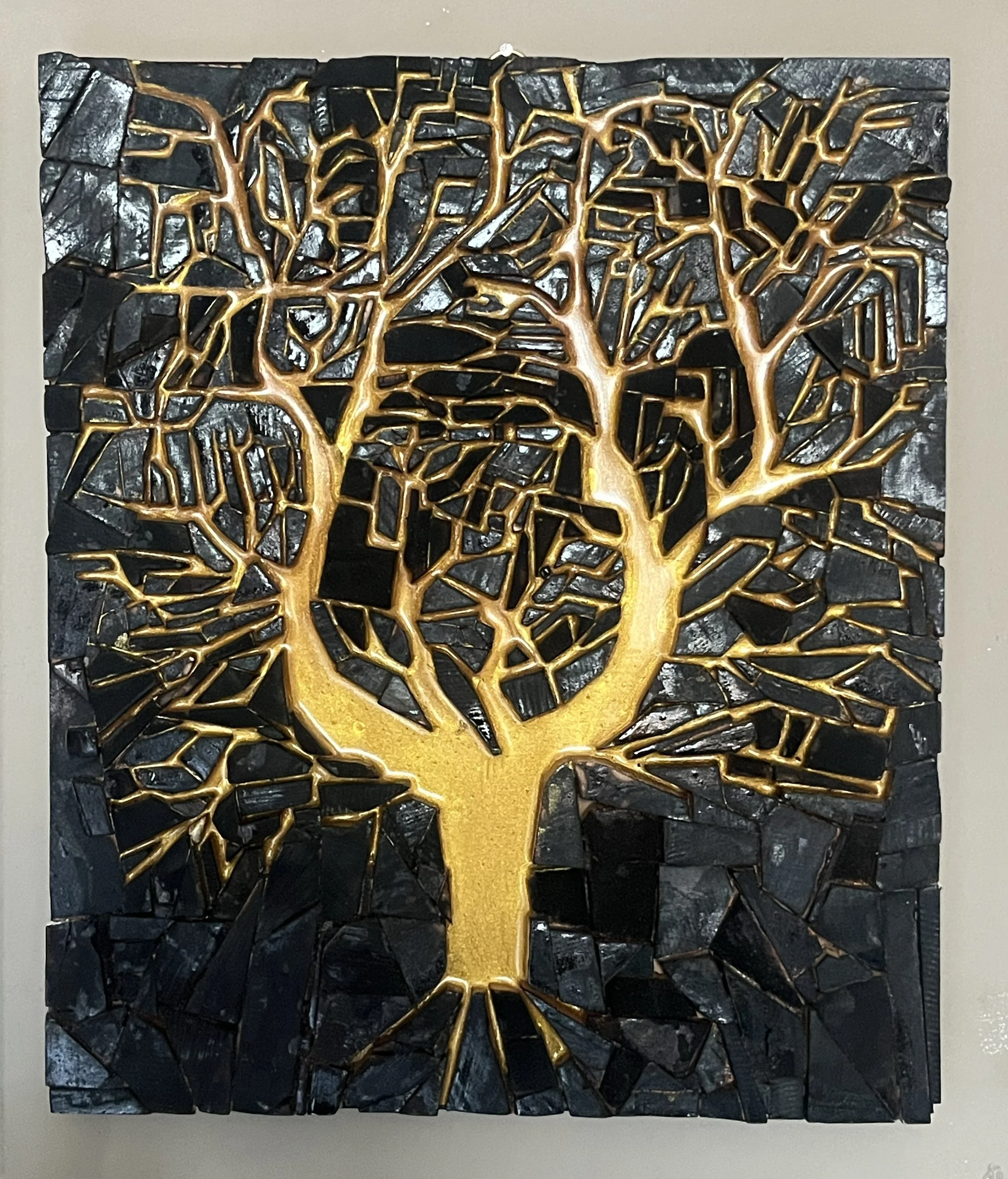
I am an emerging artist with a practise based in making 3D objects and book works with a focus on narratives. Most of my work is produced in wood.
My work combines research and wide reading with ludic intentions and manic humour, proposing vertiginous solutions to the questions posed by history, current affairs, film; those problems and their inevitable concomitant, the unsatisfactory non sequitur.
I am inspired by the renaissance sculptors and painters of Northern Europe, and contemporary artists working across different media. In 2027, I am planning on visiting southern Germany to research the medieval limewood sculptors in Bavaria and surrounds. I will produce an exhibition of sculpture inspired by this visit and present a series of talks.
I recently graduated from Bath Spa University with a first in Creative Arts Practise. During the course, I won the Porthleven Prize, a 3 week fully funded residency in Cornwall, with two exhibitions attached. I held a solo show, “I forgot much more than I ever knew” in October 2024, and my degree show piece Tolle Lege awarded a £1000 prize to commission a work for the library in the university. I was born in Basingstoke, England in 1970 and worked for 25 years as a graphic designer.
Rachel Blake | Leather | Somerset
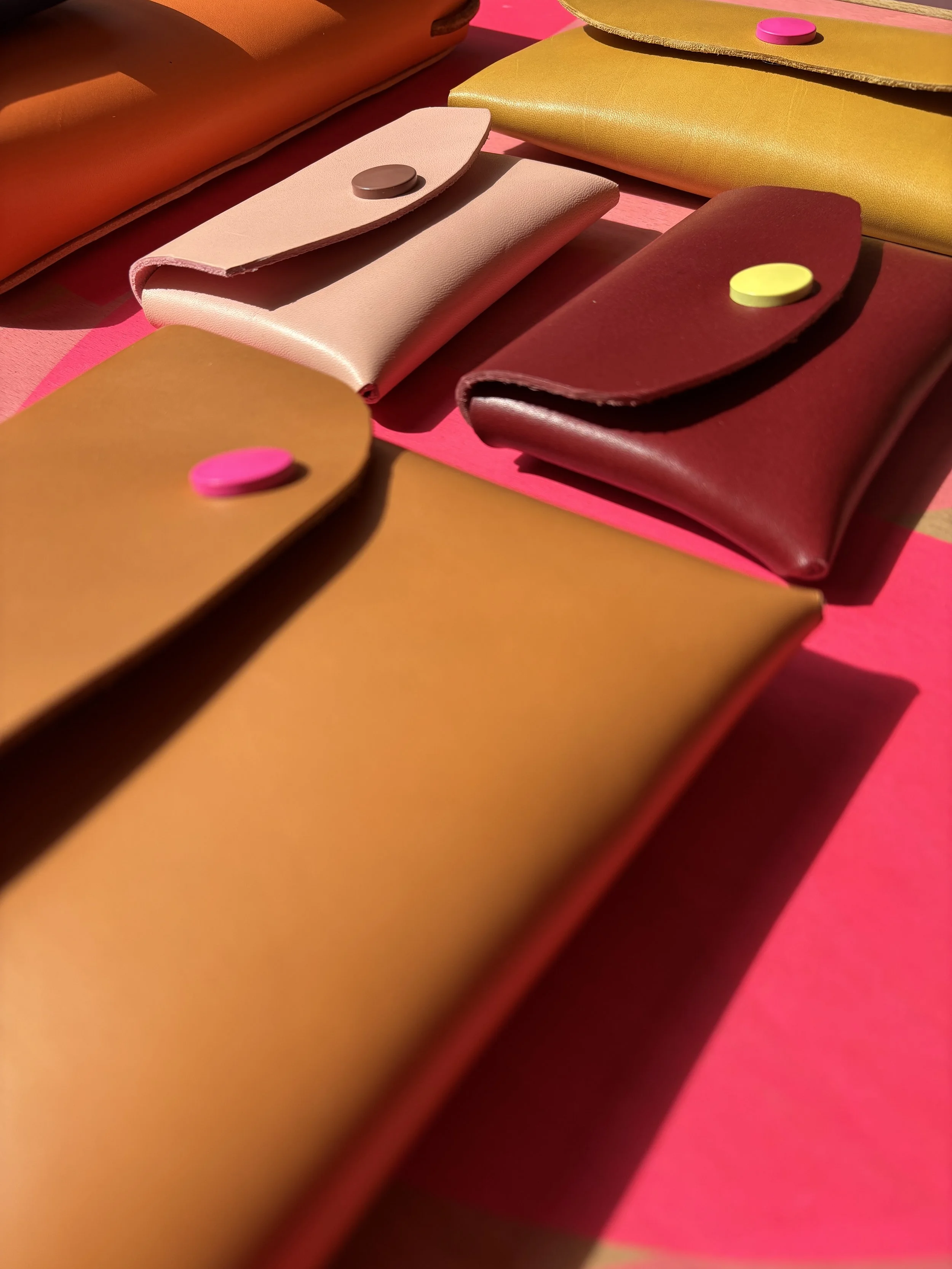
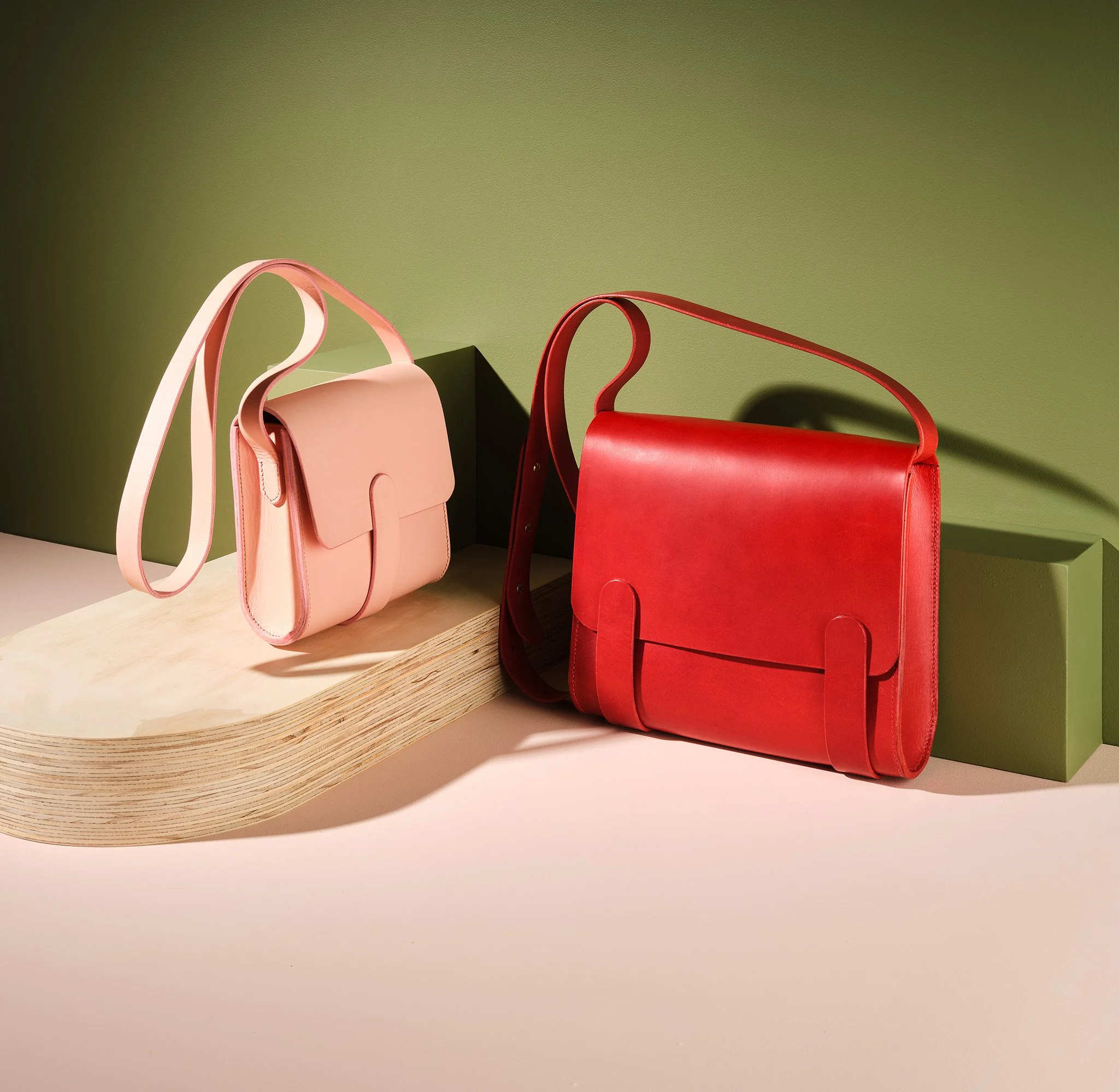
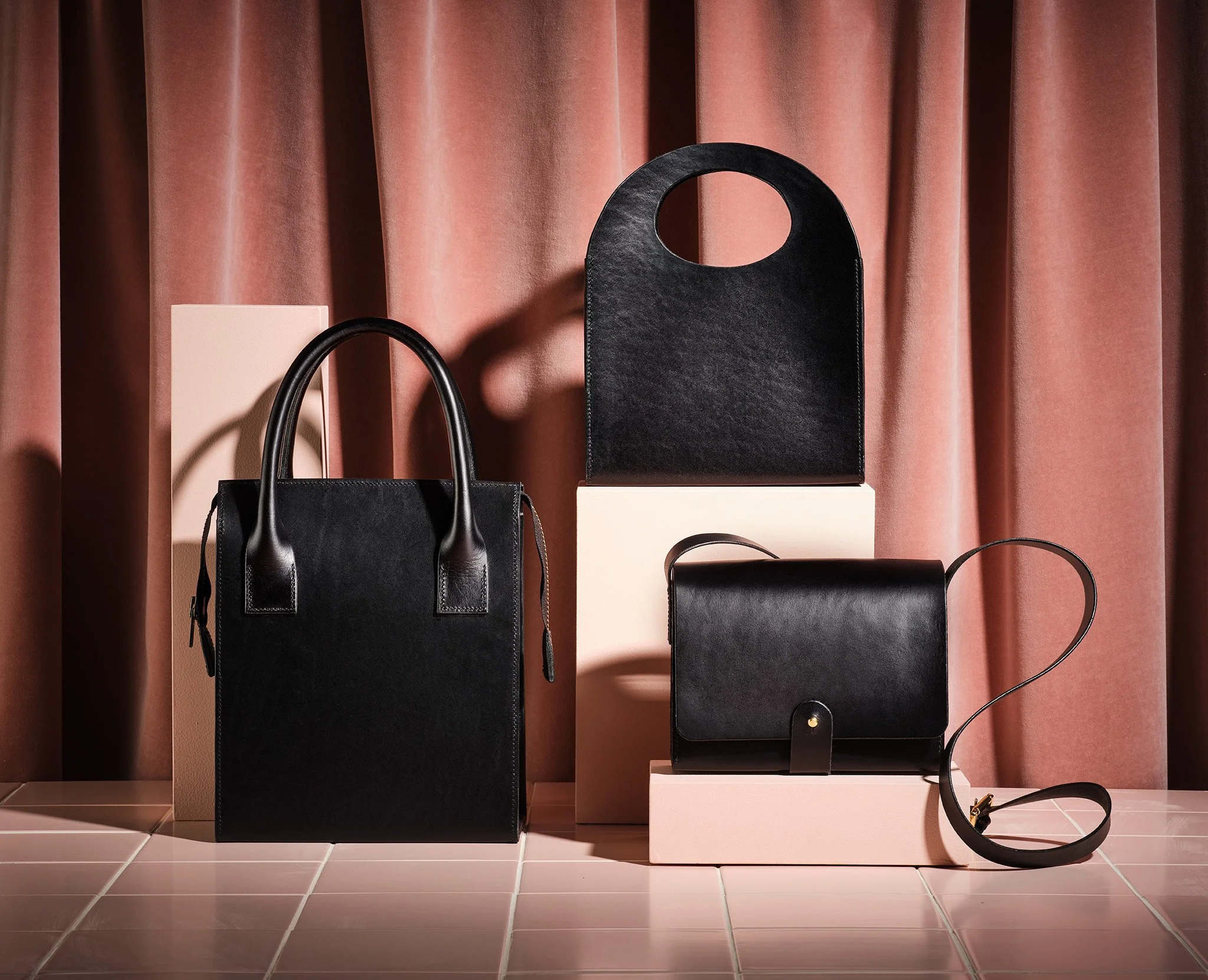
Rachel Blake is a contemporary designer-maker based in Bath, working under the name SHREW. Her practice explores the relationship between traditional leatherworking and contemporary design; creating bags, accessories and homeware that is minimalist, functional and designed to last.
With a background in Fashion Design and Creative Pattern Cutting, Rachel approaches leather firstly as a structural medium. She is interested in how a simple form can be transformed into a bold silhouette through proportion, construction and detail, often using geometric shapes and considered lines with minimal hardware to create pieces that are understated but distinctive.
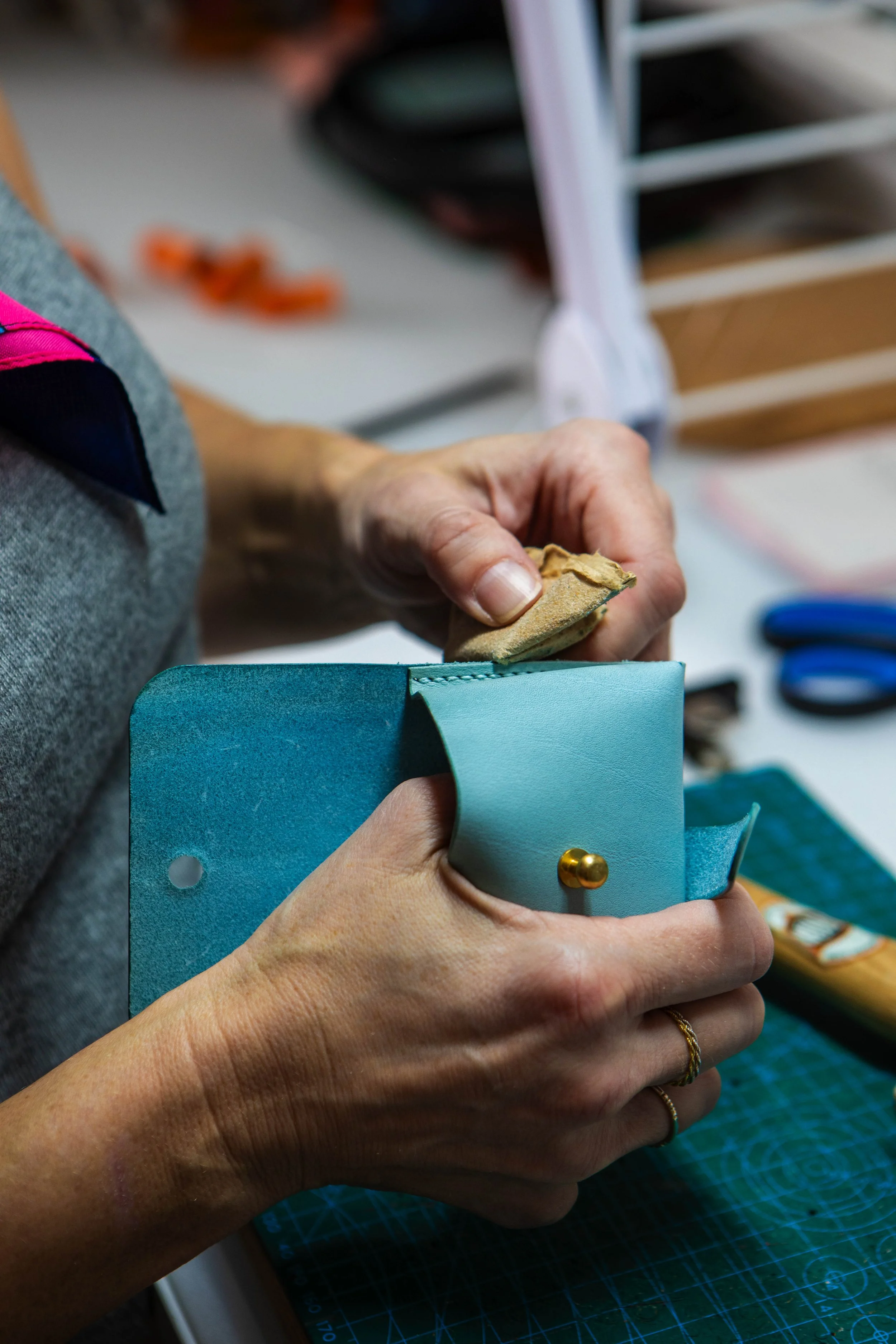
Each piece is made by hand in her studio using premium vegetable-tanned leather and traditional leatherworking techniques. The process is deliberately slow and tactile, allowing the construction of each piece to remain visible rather than hidden. Saddle or Box stitching becomes both a functional necessity and an integral part of the aesthetic.
Sustainability is embedded within Rachel’s approach to making. She chooses materials for their quality, longevity and traceability, designs with minimal waste and considers how products can be used, repaired and valued over time. Rather than following trends, her work is intended to transcend the seasons, developing a rich patina through many years of use.
Through SHREW, Rachel seeks to demonstrate that traditional craft techniques can have a place within contemporary design; creating cherished objects that are thoughtfully made, materially honest and last a lifetime.
Rachel Byrne | Materials | Cornwall
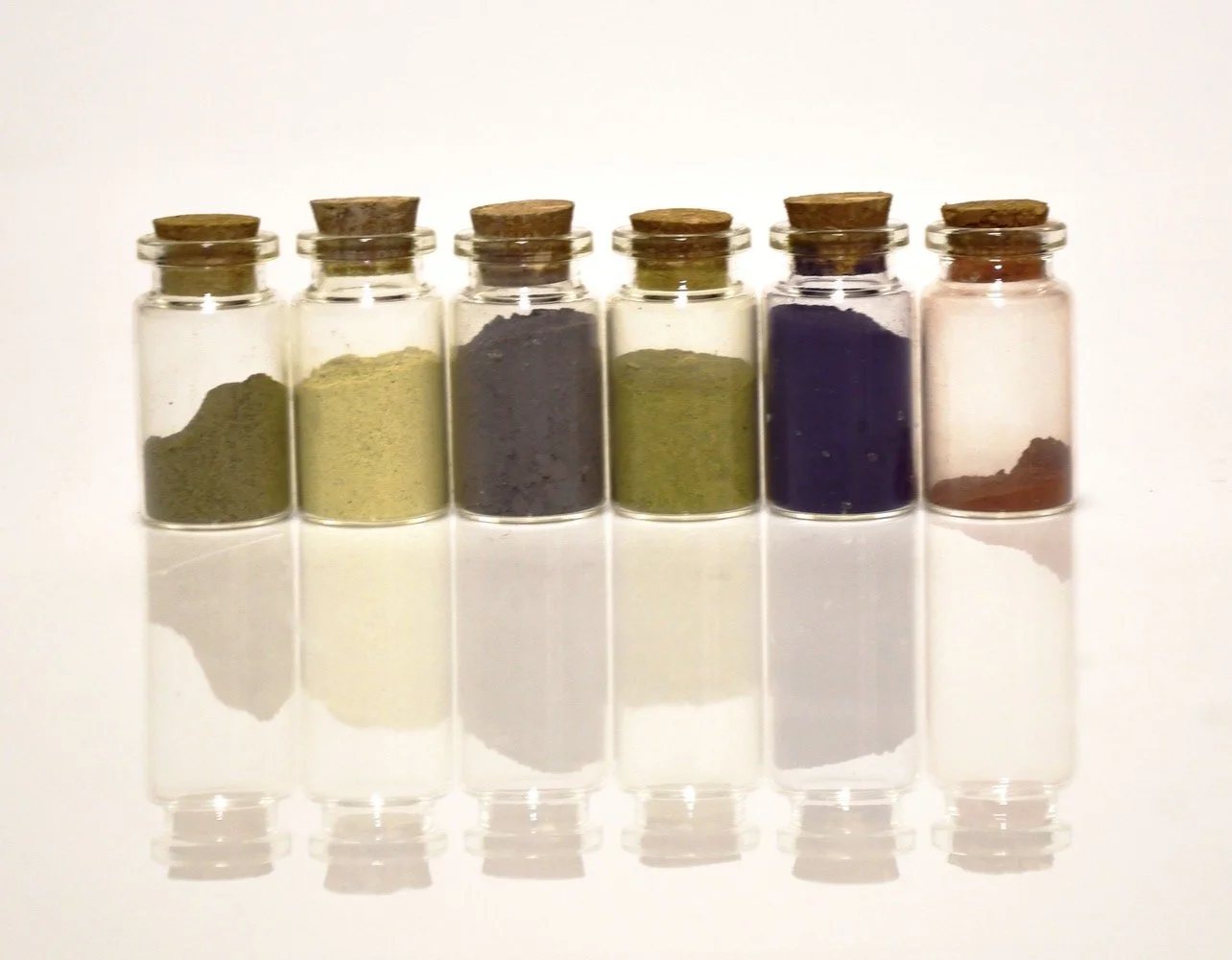
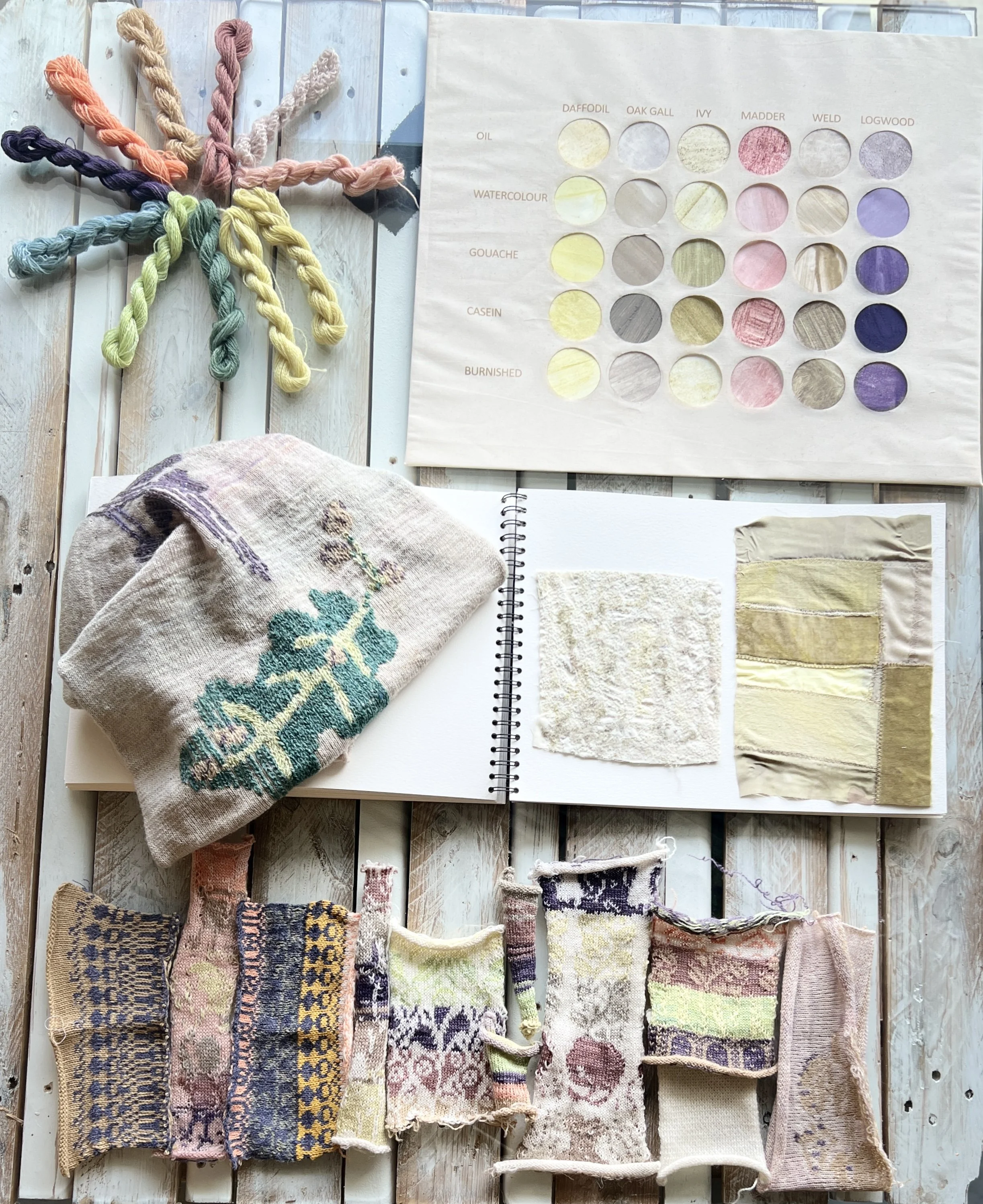
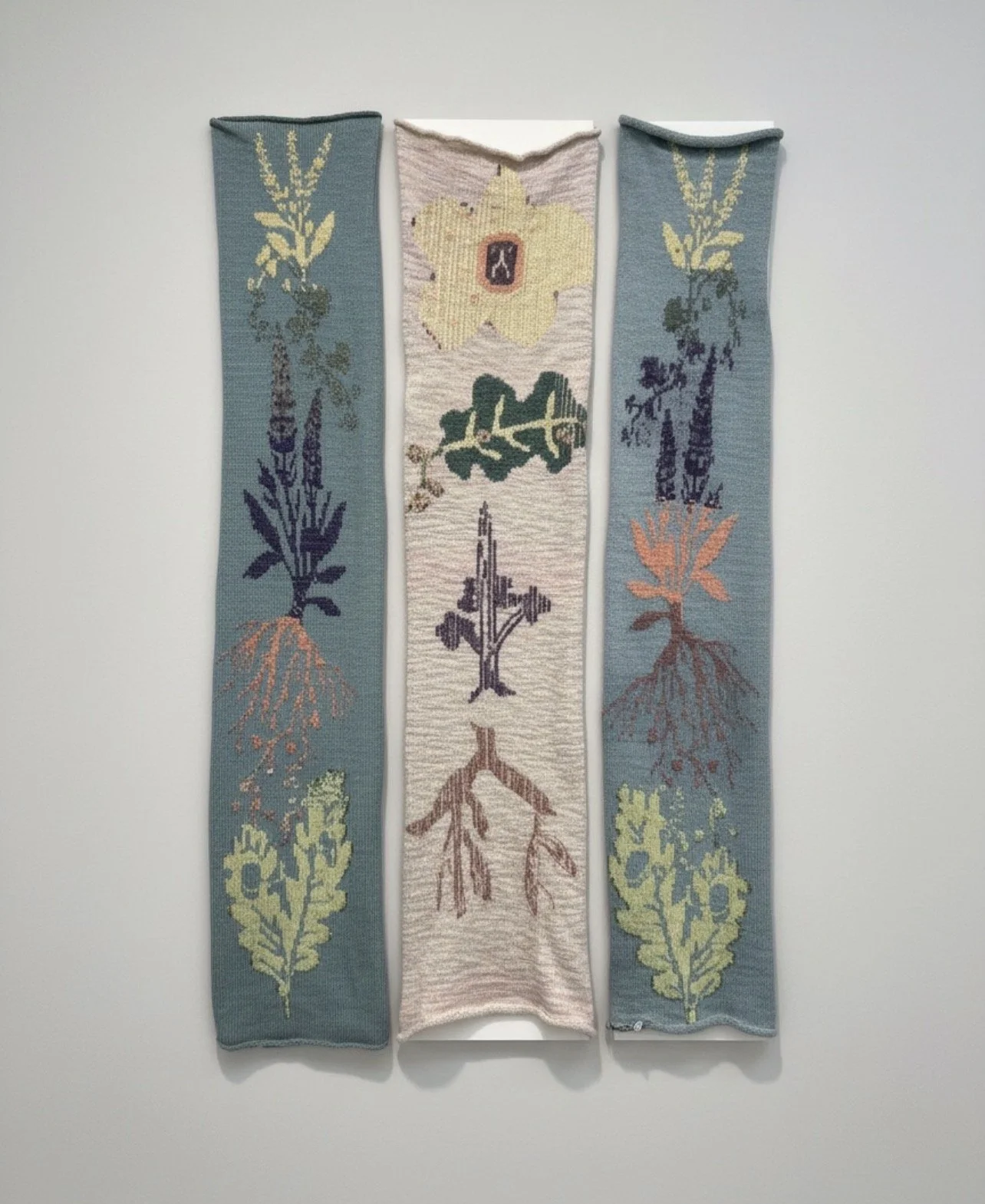
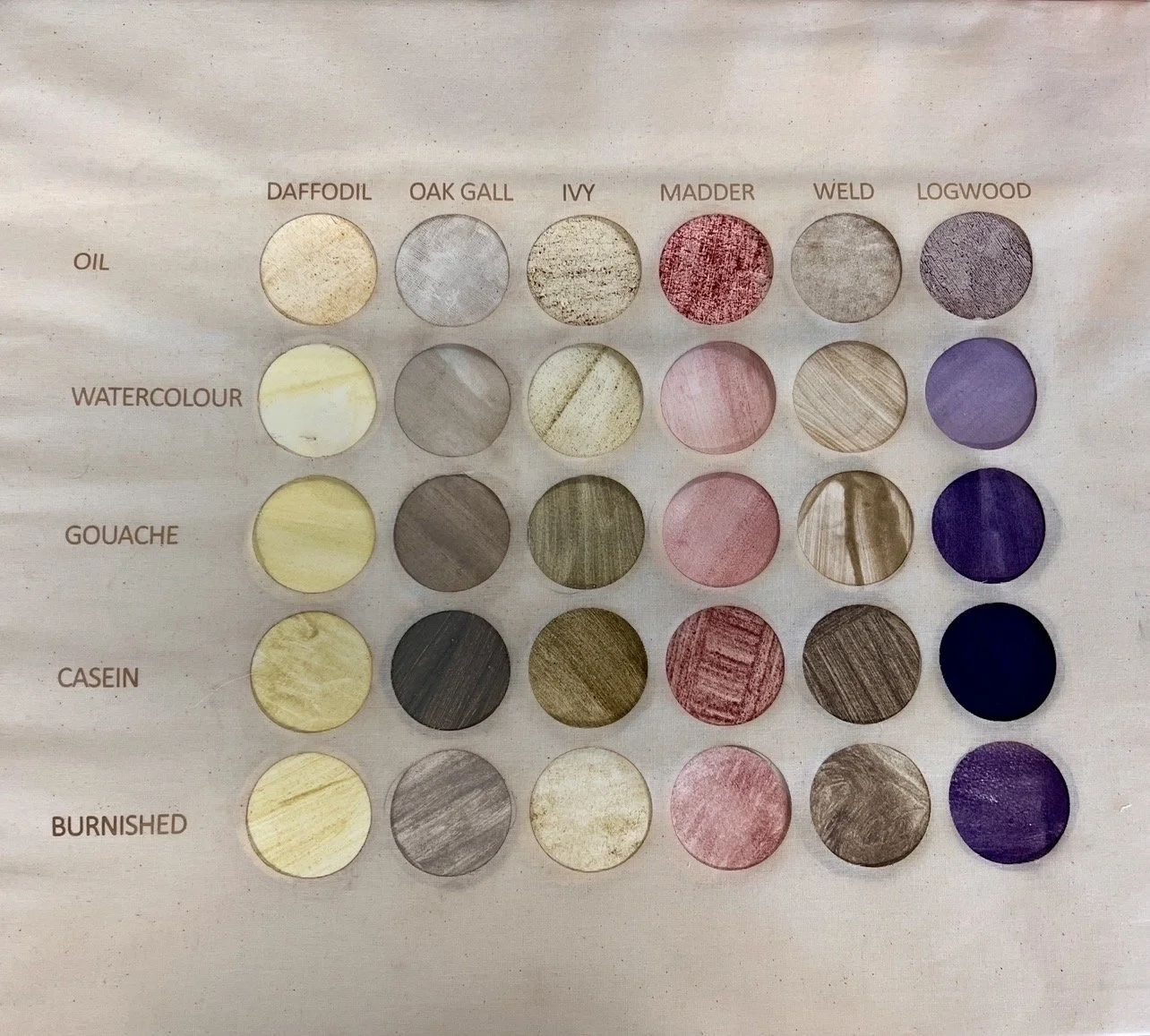
My practice explores how plant-based colour can become a circular material system rather than a single-use process. Working across textiles, natural dyeing, pigment making, ink and knit, I investigate how colour can be extracted, transformed and repeatedly re-used.
My current body of work, Textile Botanica, follows botanical materials through a sequence of processes: plants create dyes, exhausted dye baths are transformed into lake pigments, and these pigments become inks, print materials and further textile applications. Rather than treating waste as the end point of making, I use it as the starting material for the next process.
Through experimentation, material research and craft, I am developing a My practice explores how plant-based colour can become a circular material system rather than a single-use process. Working across textiles, natural dyeing, pigment making, ink and knit, I investigate how colour can be extracted, transformed and repeatedly re-used.
My current body of work, Textile Botanica, follows botanical materials through a sequence of processes: plants create dyes, exhausted dye baths are transformed into lake pigments, and these pigments become inks, print materials and further textile applications. Rather than treating waste as the end point of making, I use it as the starting material for the next process.
Through experimentation, material research and craft, I am developing a practice centred on colour valorisation finding additional value within materials that would otherwise be discarded. My work considers how traditional knowledge and contemporary making can contribute to more regenerative, locally rooted systems of textile colour. centred on colour valorisation, finding additional value within materials that would otherwise be discarded. My work considers how traditional knowledge and contemporary making can contribute to more regenerative, locally rooted systems of textile colour.
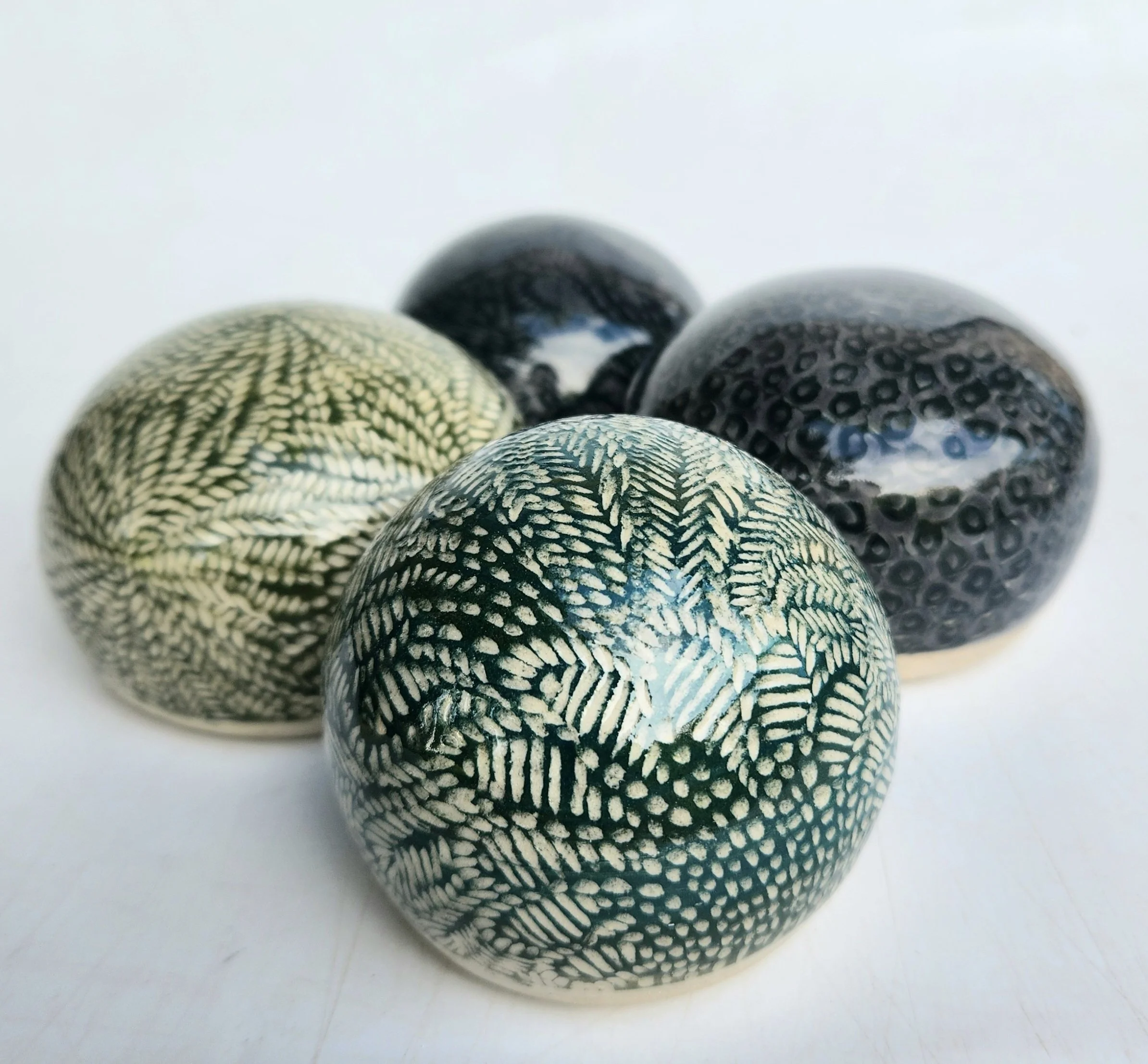
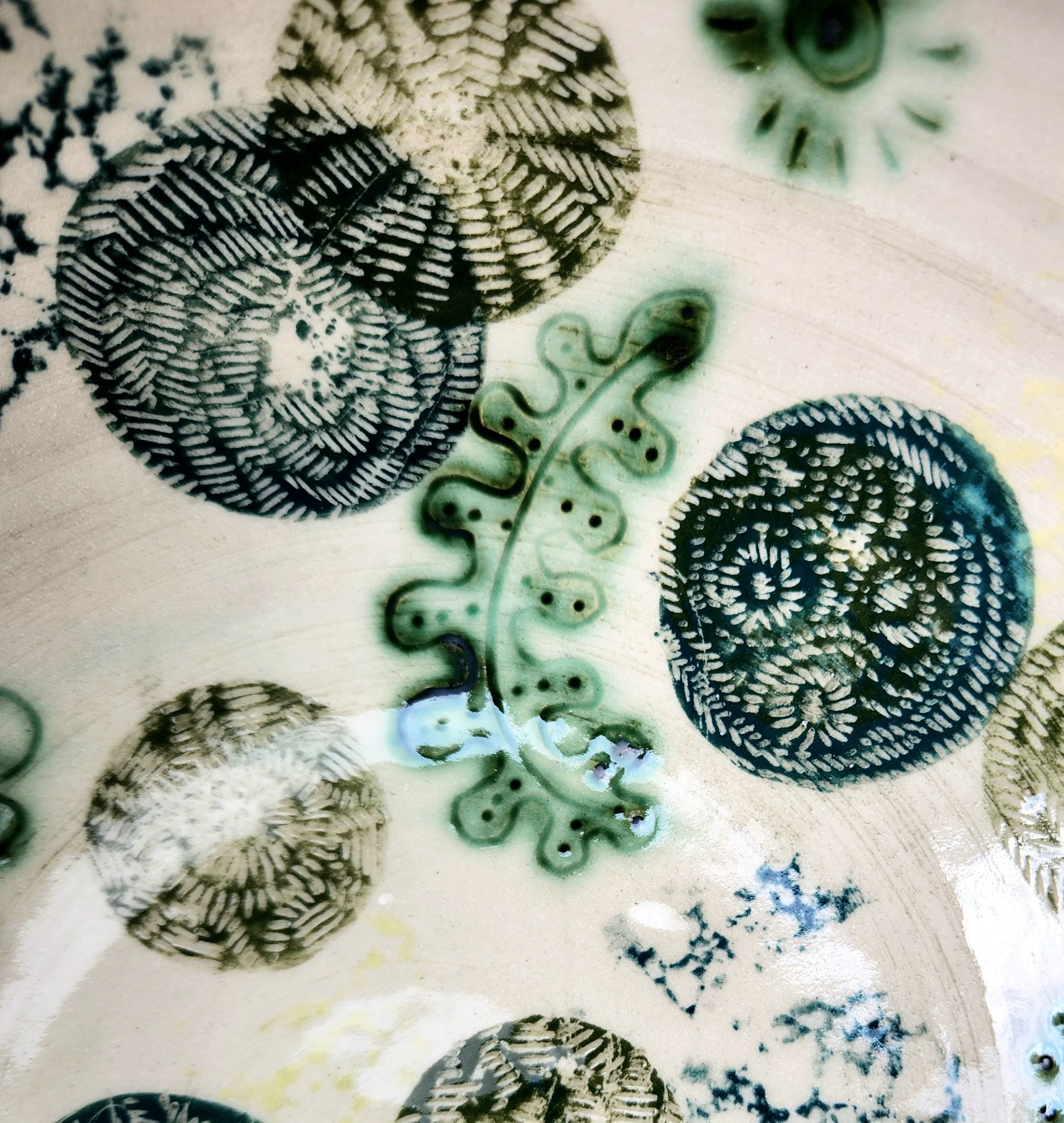
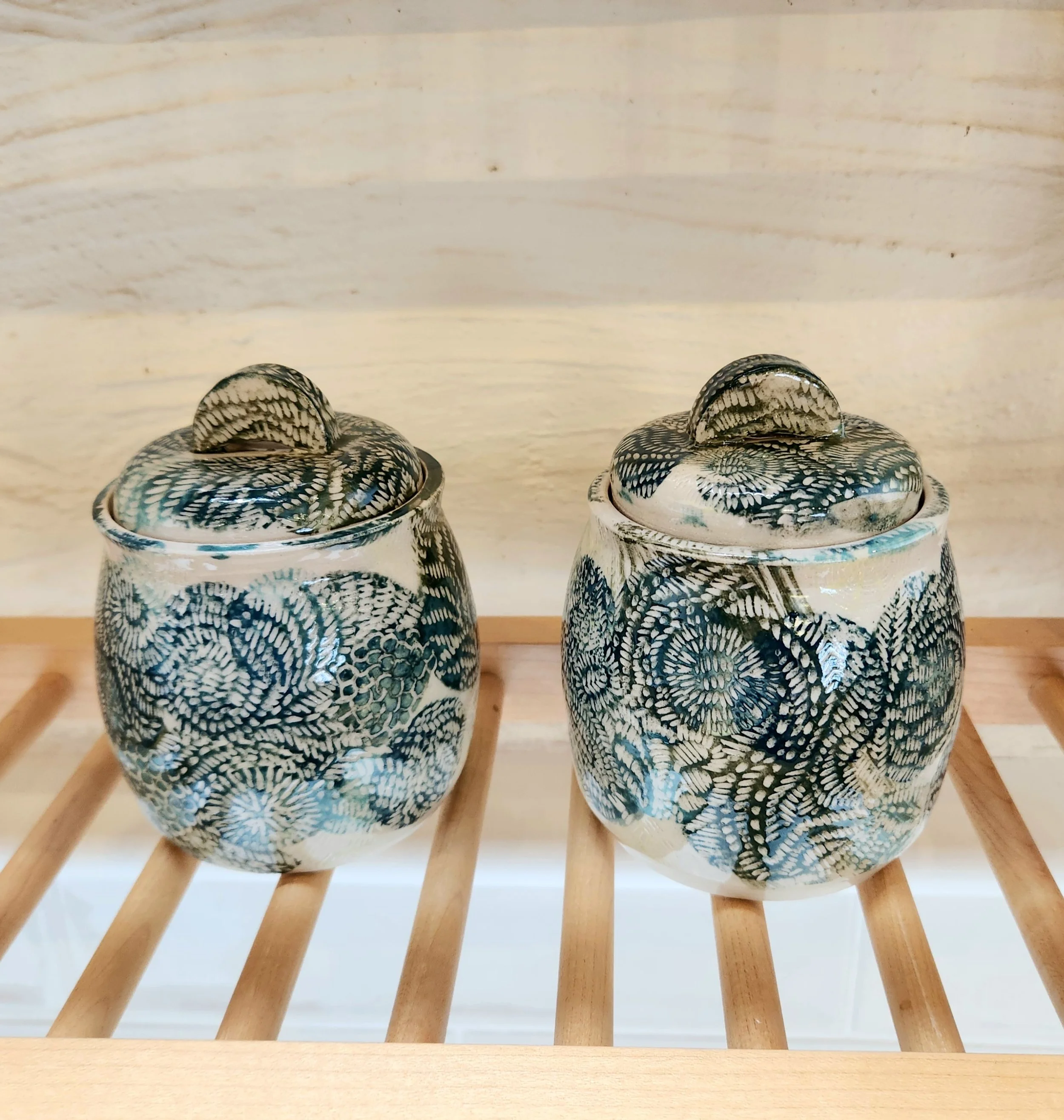
Kate Hill-Smith | Ceramics | Devon
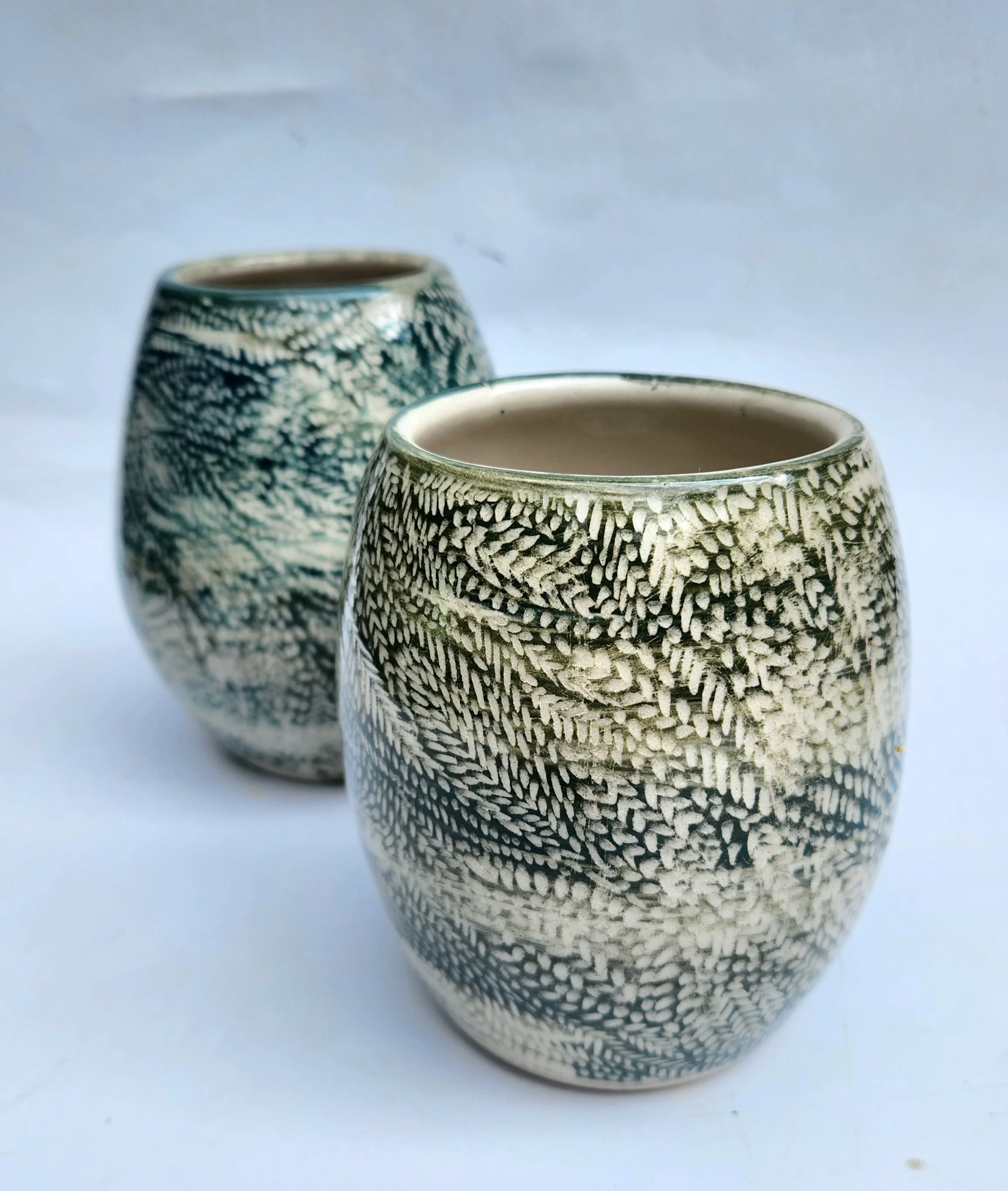
I am fascinated by natural patterns found in physics and biology. The way they repeat, across a galaxy or inside a cell. This work is inspired by microscopic organisms and theories about the origins of life.
The beauty of things that are invisible - places where science and art overlap.
Although I have been using stoneware in my studio I have been experimenting with earthenware clay, so some of the work is made with white earthenware.
I love traditional slipware nature patterns and the process of sgraffito, the repetitive, tactile carving into clay.
Earthenware can also be fired at a lower temperature and once fired, so uses less energy and I feel that it's important to reduce what I use up in the world.
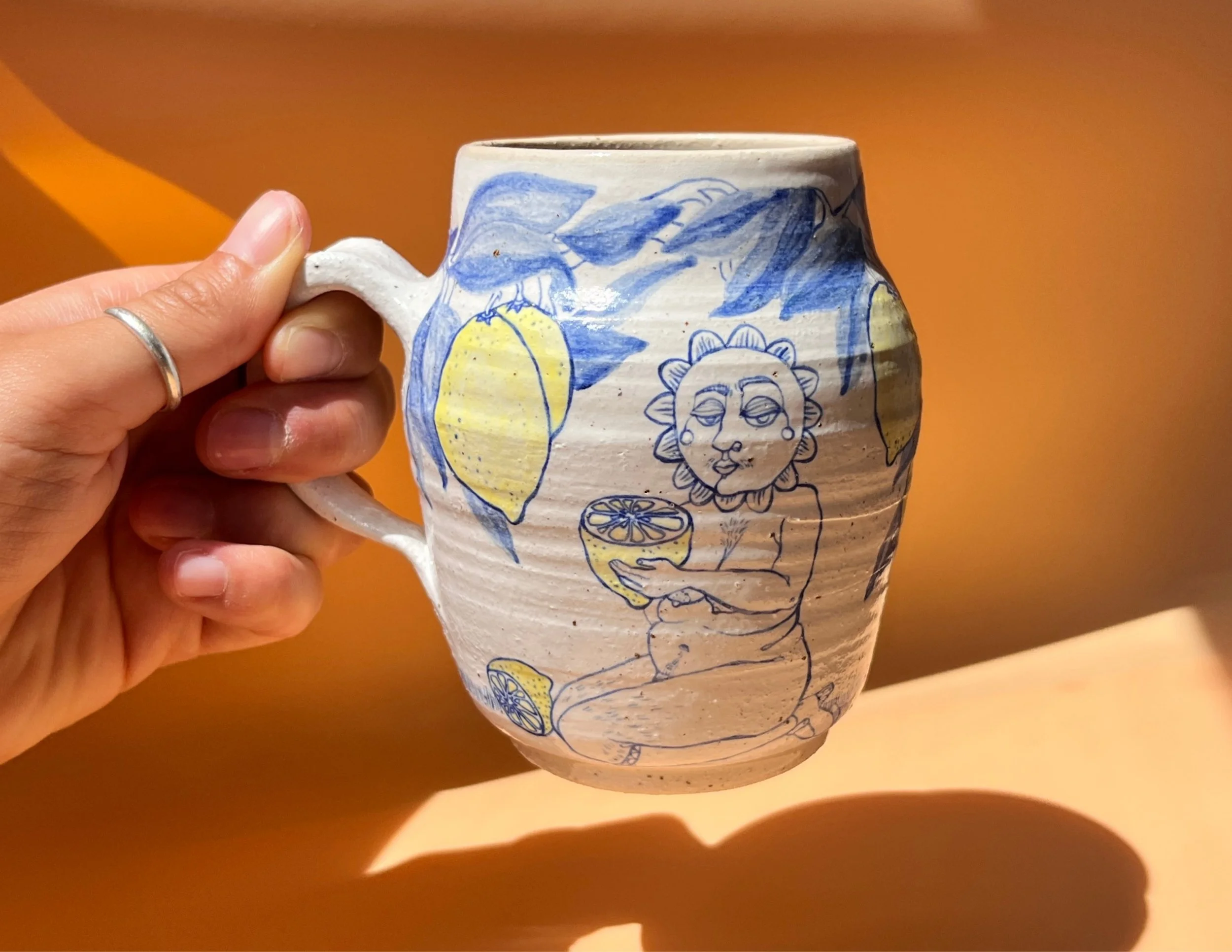
Maz Nash | Ceramics | Bristol
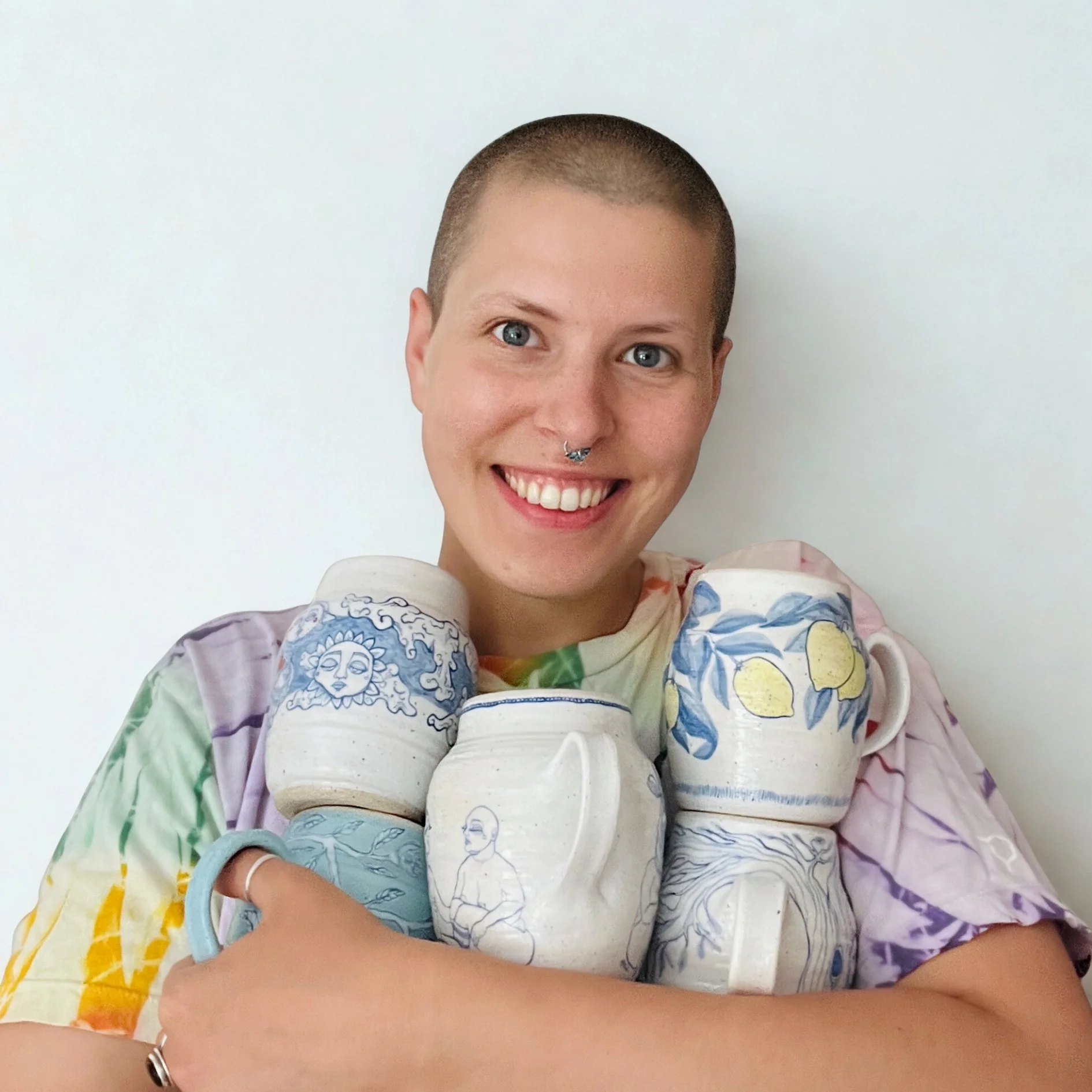
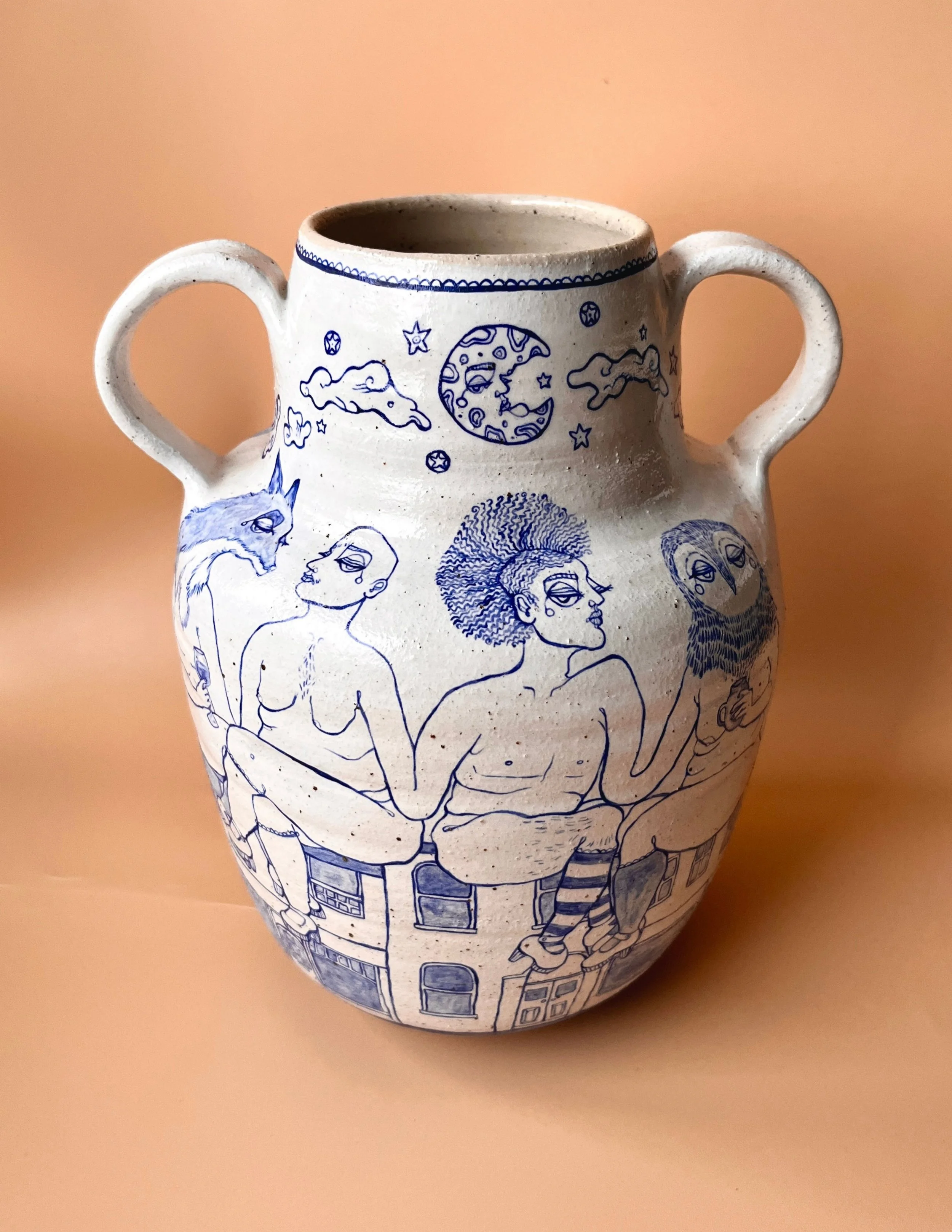
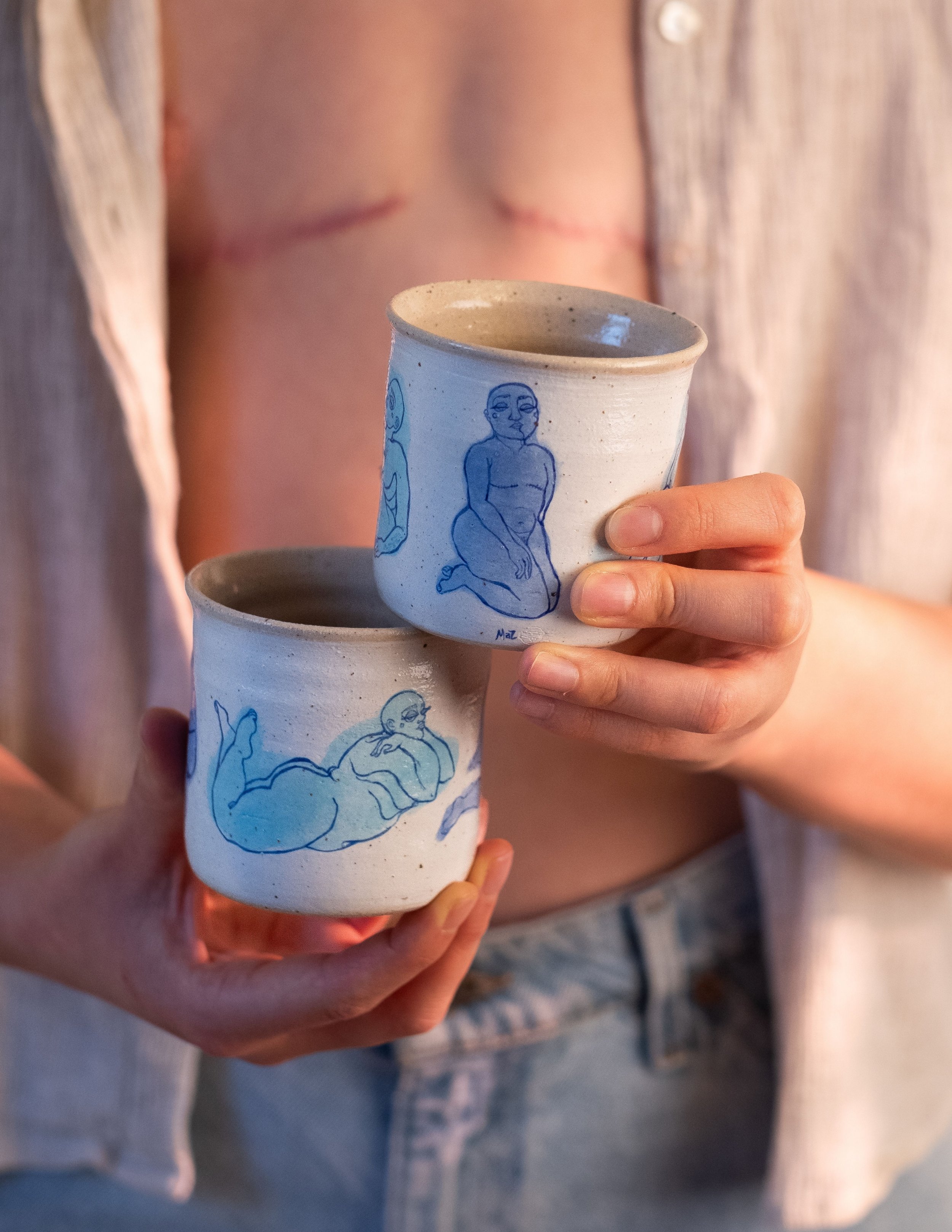
I merge fine illustration with handcrafted ceramics to create personal pieces that are both functional and decorative. I use each piece as a canvas to tell stories and explore my own experiences. Working with underglaze I hand paint each piece and use character-driven imagery to create work that invites viewers to engage with themes of identity, belonging, and self-expression.
I launched my ceramics business in March 2025 after completing The King's Trust Enterprise Programme. After receiving late diagnoses of ADHD and Autism and stepping away from a previous office-based career, I wanted to focus on building a creative practice and business, that embraces my neurodivergence rather than working against it.
Diversity is often a central theme of my work as I am passionate about people being able to see themselves in my work, especially those that are so often underrepresented. I often am inspired by my own experiences as a trans, autistic and ADHD artist, as these aspects of my identity shape everything from my illustrations and stories I tell, to the way I approach making. I feature a wide range of body types in my work, often including gender-affirming details such as top surgery scars. By illustrating these marks without shame, I hope to raise awareness, acceptance and show that trans bodies in all their forms are natural, powerful, and should be celebrated.
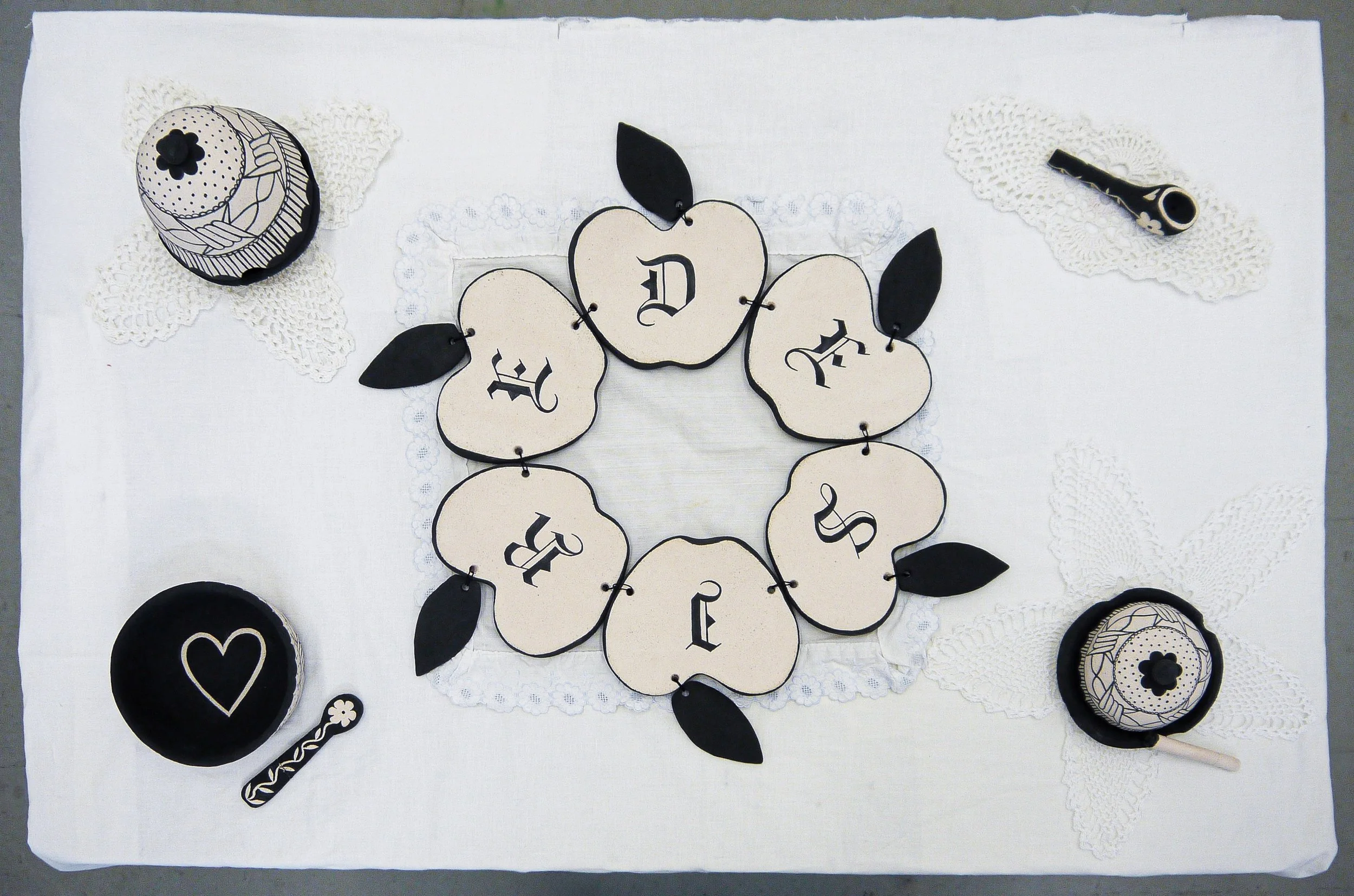
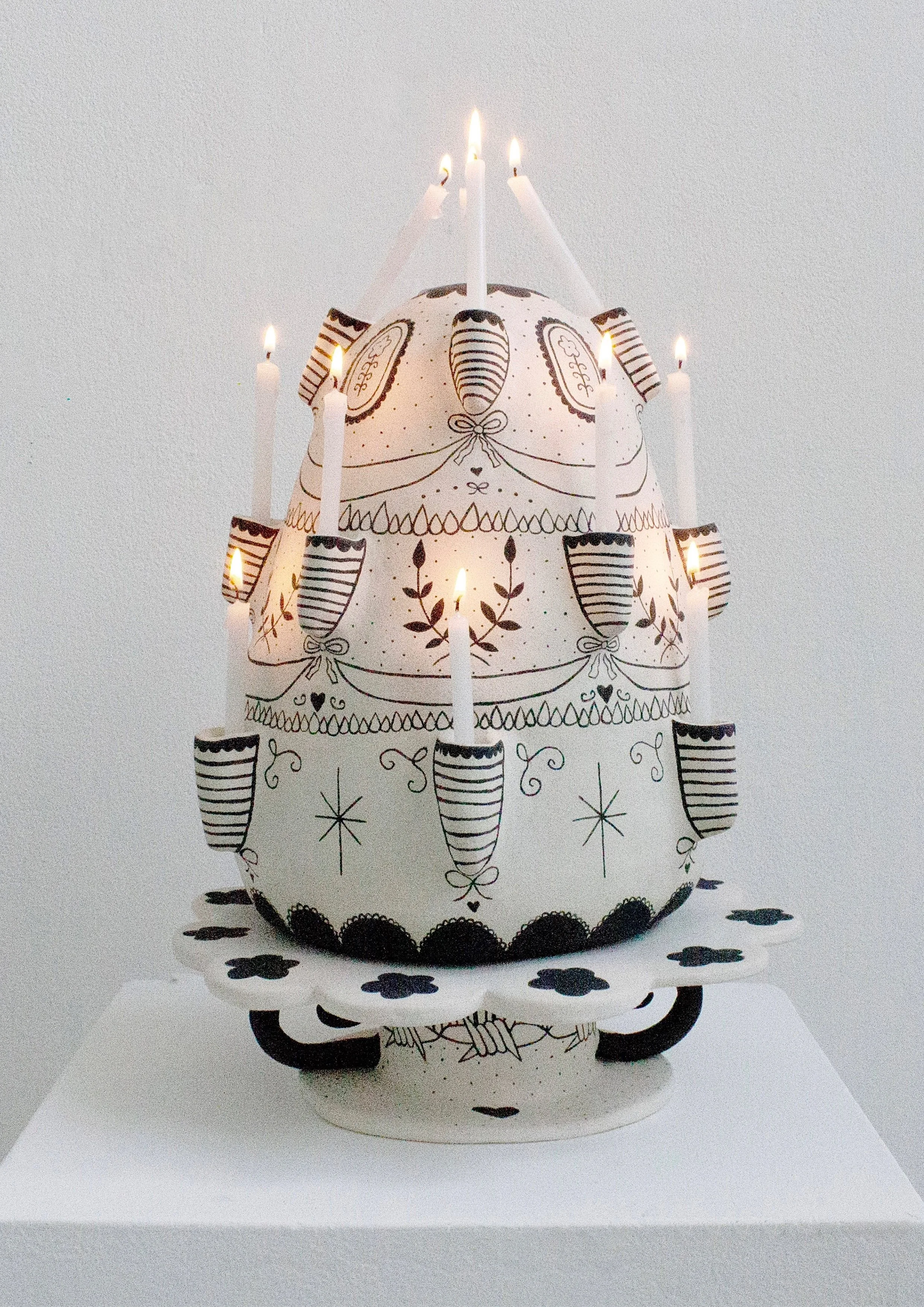
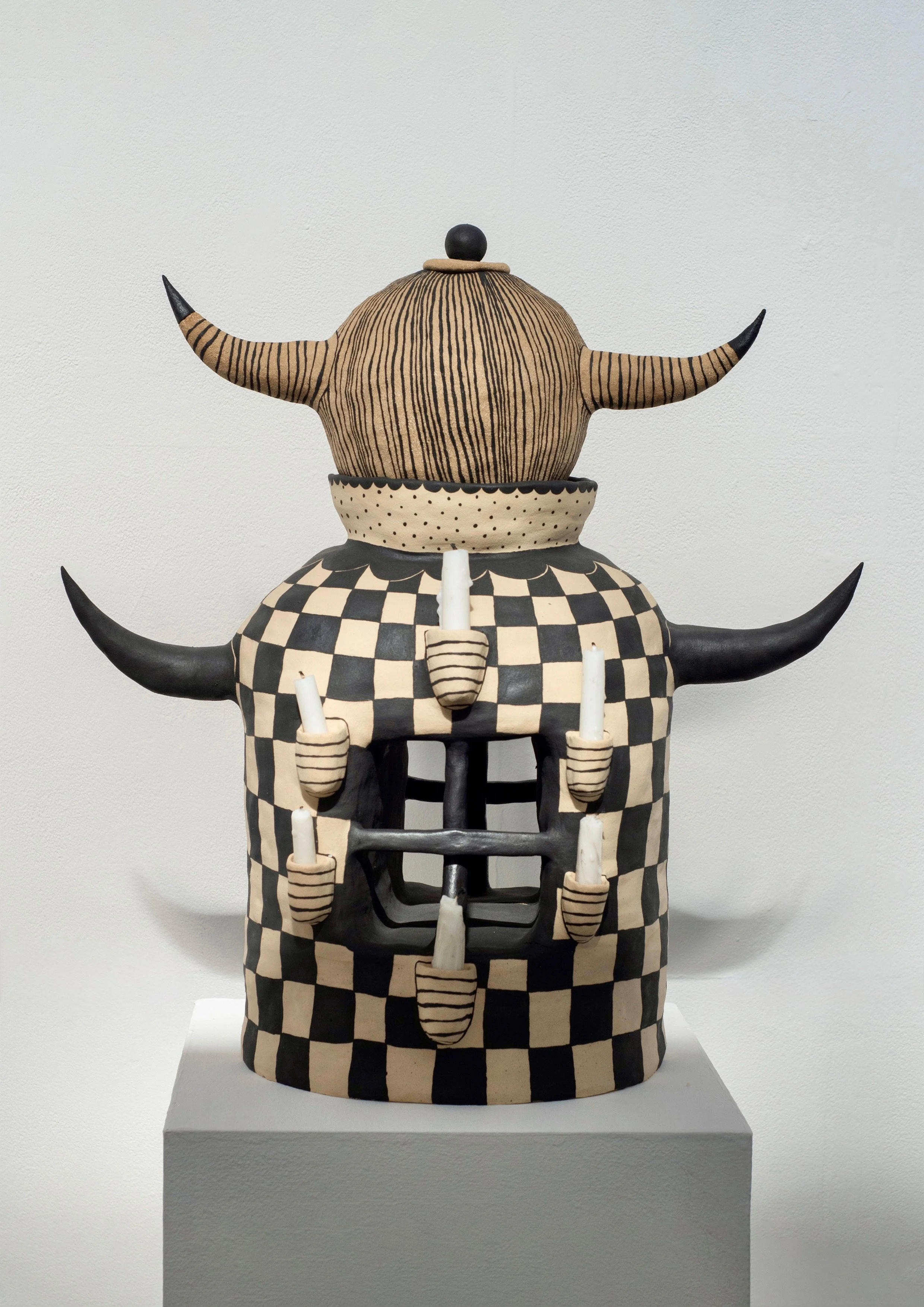
Lola Bennett | Ceramics | Somerset
Bennett is a multidisciplinary contemporary craft based artist, working primarily in ceramics & textiles. She graduated from Bath Spa University in 2023 with a First-Class degree in Creative Arts Practice and was awarded the 2023/24 Spike Island Graduate Fellowship. In 2026, she was selected as a Windgate Craft Artist Fellow at Vermont Studio Center, USA.
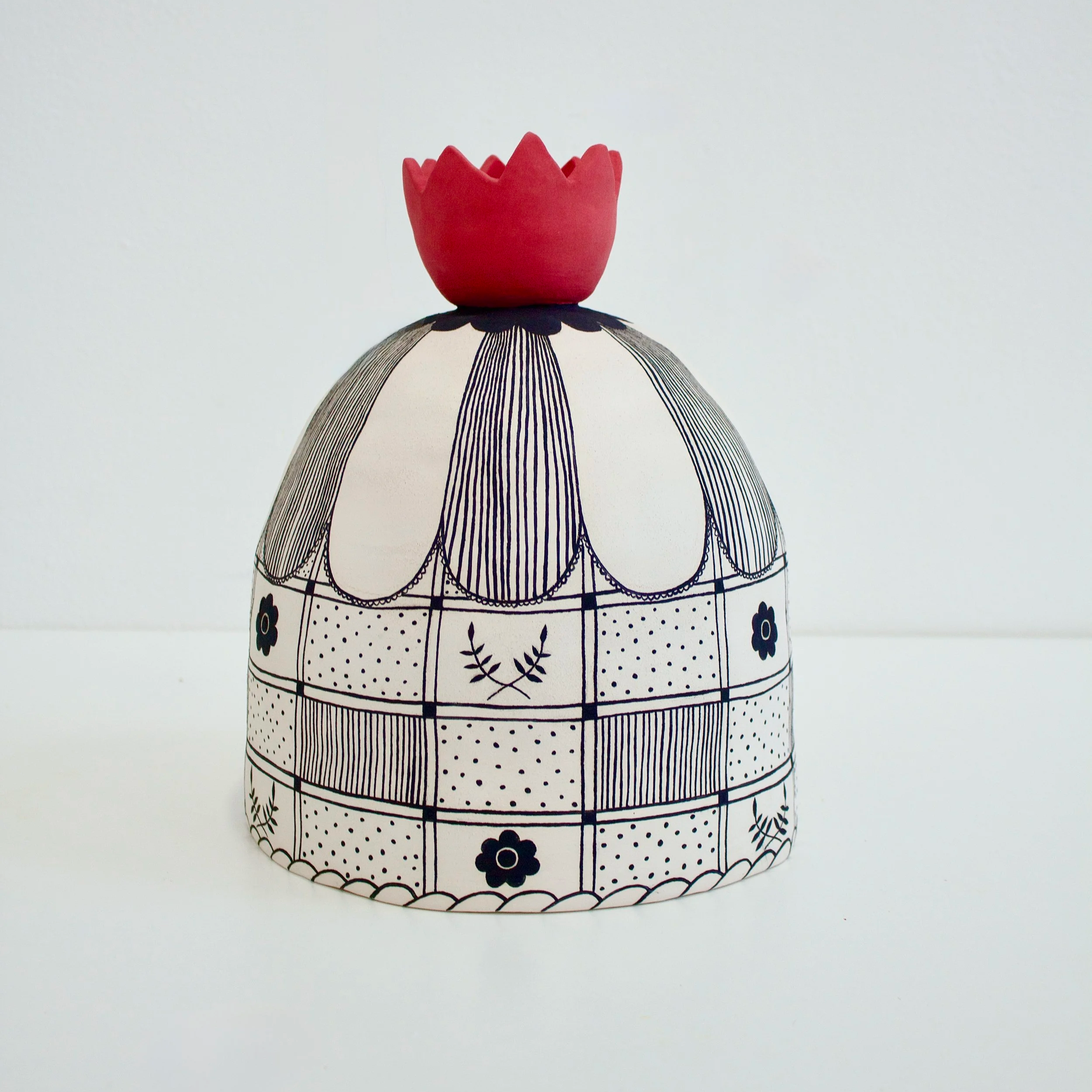
Bennett’s practice explores ideas around women’s work, inherited craft traditions, and the hierarchies that continue to separate art & craft. Using traditional ceramic handbuilding techniques & kitsch naive imagery, she creates forms that test the boundaries between function, form and fantasy. Her work often questions how value isassigned to handmade objects, processes, and histories that have often been associated with craft, domestic labour & spaces.
Alongside her interest in craft, she is committed to preserving and reinterpreting traditional techniques & processes through a contemporary lens. Her practice is grounded in making by hand and in the belief that craft can communicate complex emotional experiences. She is particularly interested in how familial forms and inherited creative traditions can be reinterpreted and become vehicles for personal and collective storytelling.
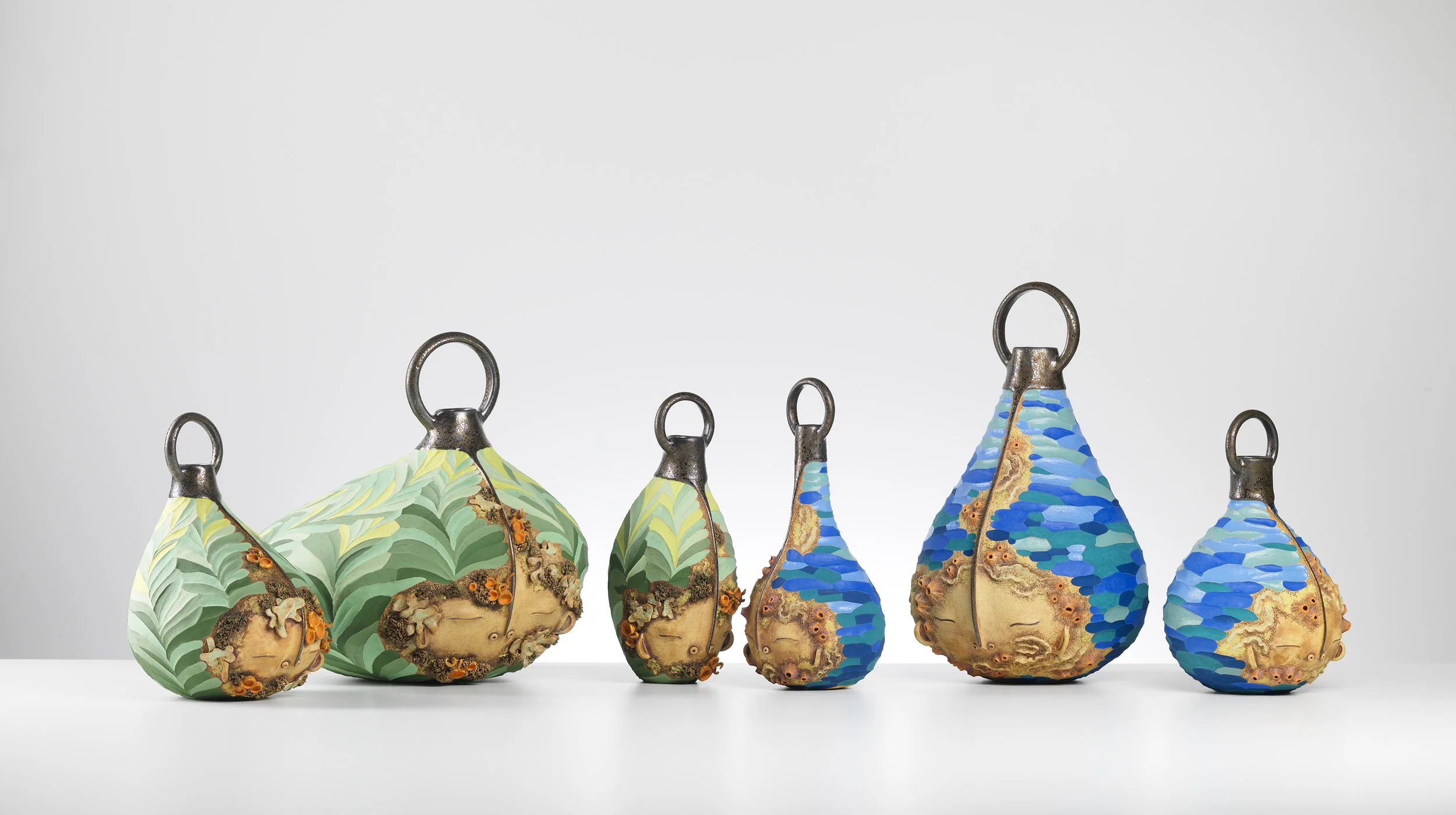
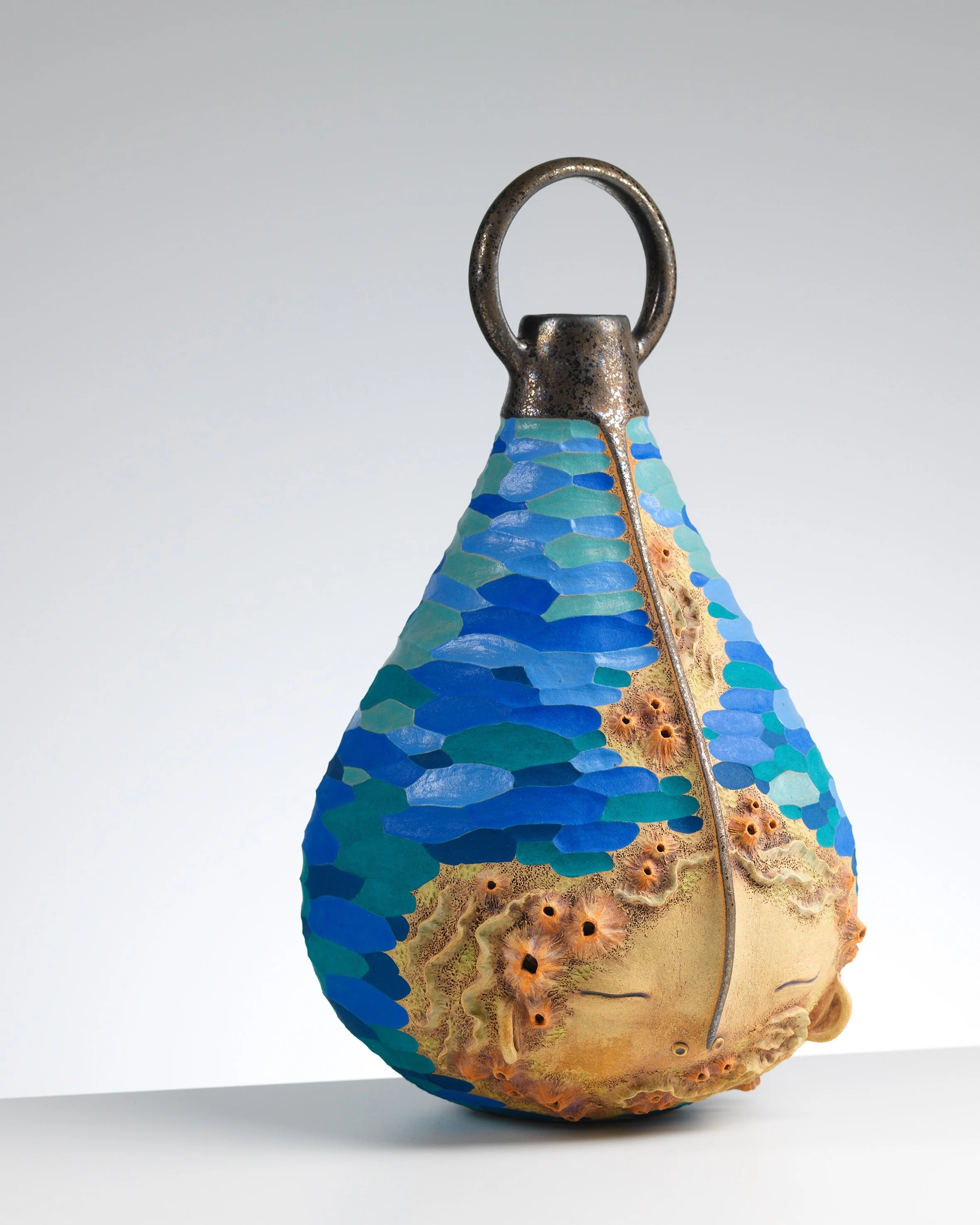
Bennett learned to create ceramics as a pottery studio assistant during lockdown and continued to explore and develop this foundation through peer learning and experimentation through University & post graduate residencies. Her background includes working with a seamstress as a teenager, becoming a goldsmiths apprentice at 17 and now working as an artist assistant for Young In Hong as a sculptural fabricator.
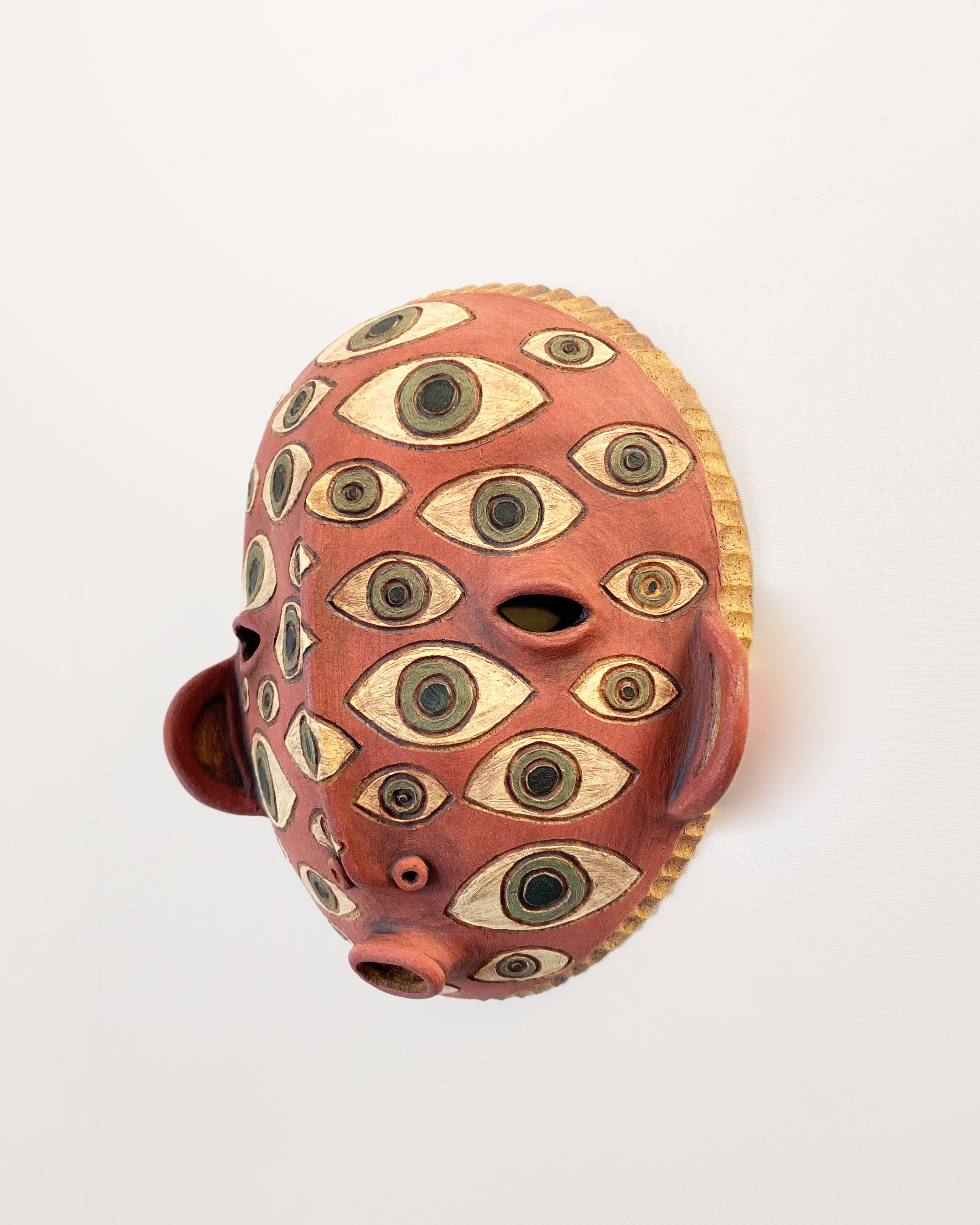
Pascale Wilson | Ceramics | Bristol
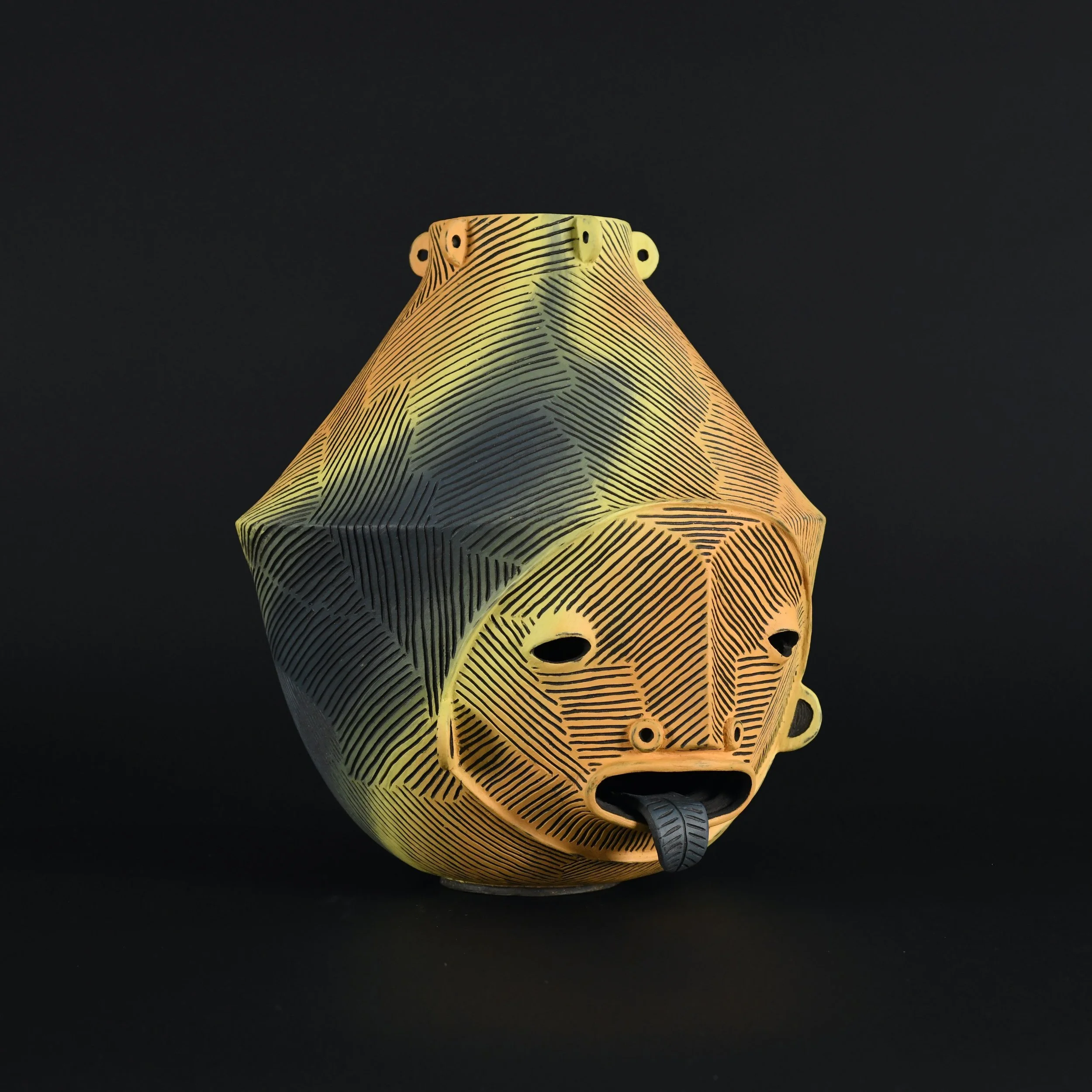
Pascale’s character-rich artworks combine handbuilt forms with faces, patterns and colours. Her mask and vessel artworks sit alongside functional sculpture such as lamps and vases, as well as bold tableware. Her work is reminiscent of Pre-Columbian art, using patterns, forms from the natural world, and playful expressions. Pascale’s interest in the complexity of our minds underpins her work, with each creation channeling investigations into a particular sensation, idea, or memory.
Self taught, she explores slab, pinching, coiling, and sculpting. Her recognisable use of slips and intricately carved surfaces reflects her love of pattern and colour. Handbuilding dictates a slow production speed, allowing her to contemplate forms as she works, enjoying a cathartic process. She’s interested in the ability of slow craft to unlock subconscious thoughts, solving problems and delving into mysteries while she works. The finished artworks each hold their own layered concepts, while remaining visually enticing.
Rachel Lambert | Sculpture | Cornwall
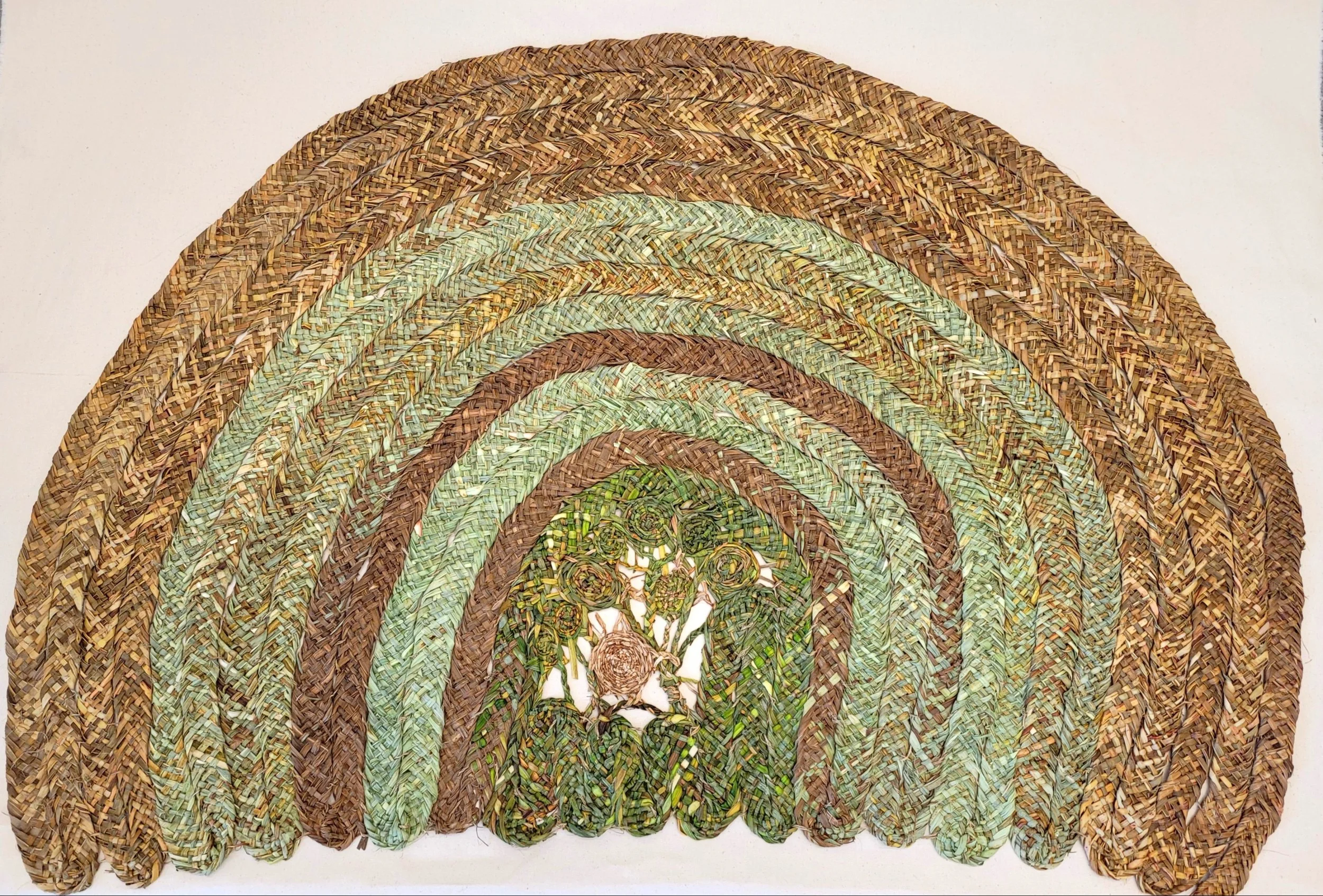
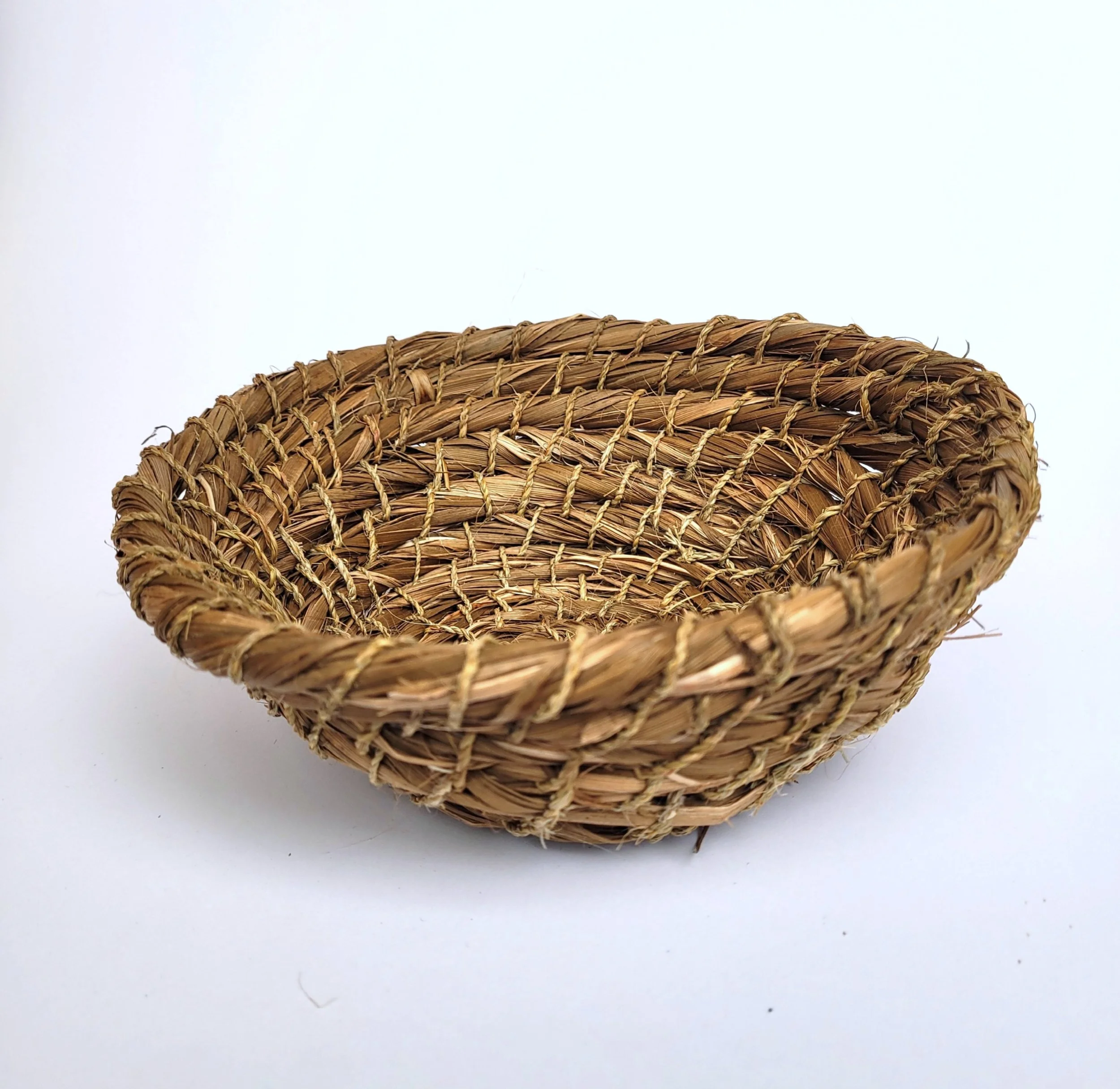
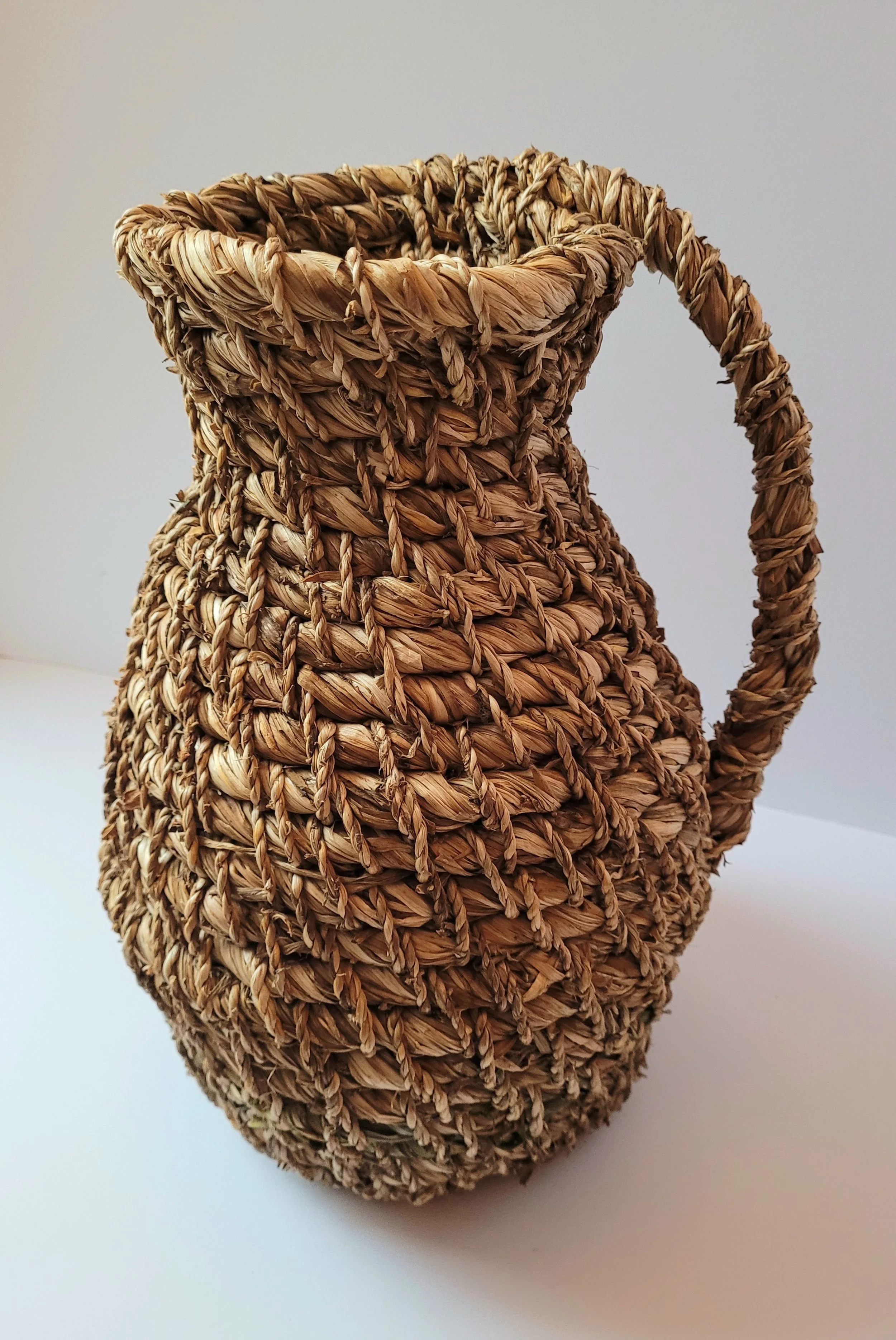
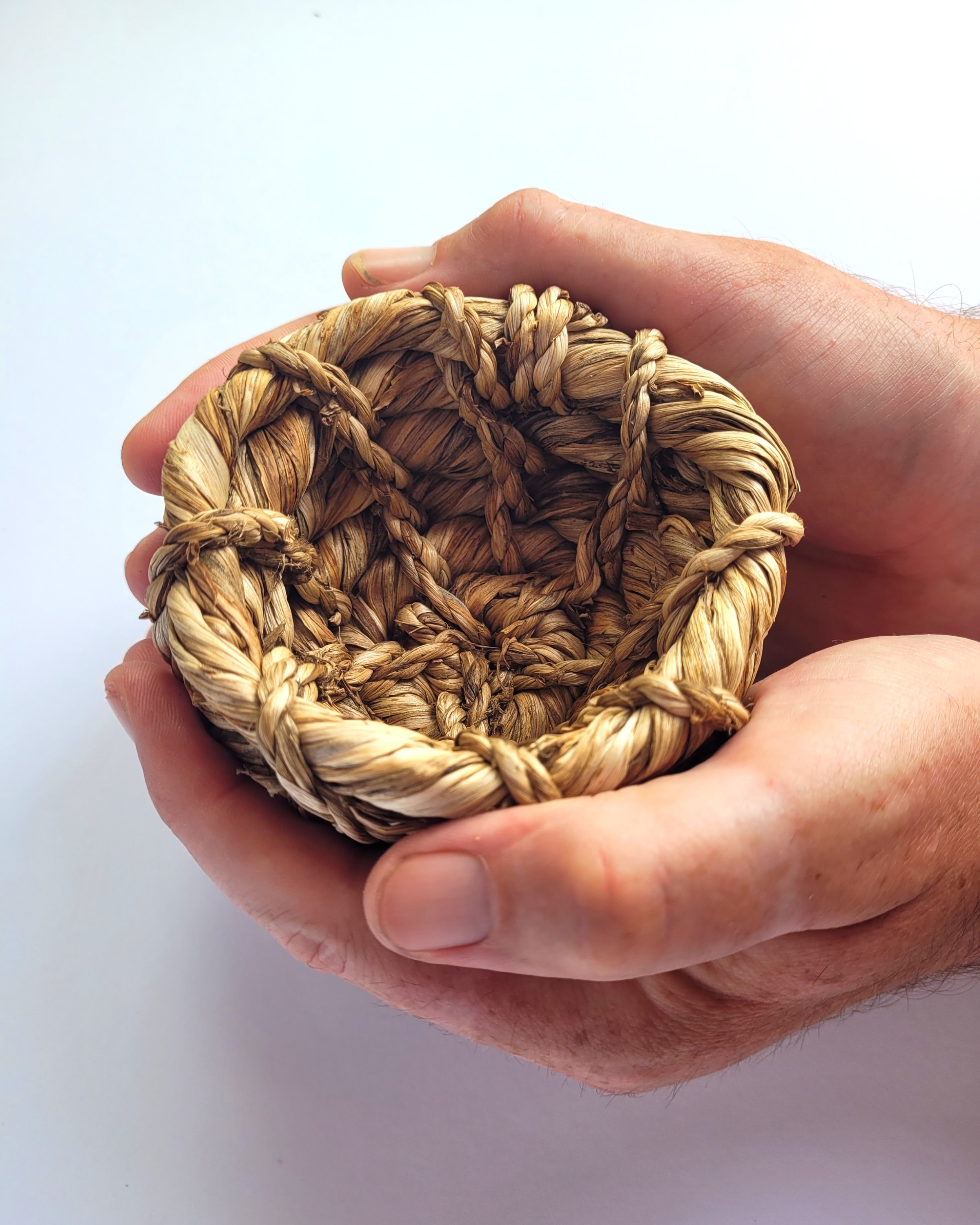
Rachel’s creative practice is motivated by the understanding that the biggest threat to our ecological stability is our disconnect from nature. Straddling craft, sculpture, foraging and sustainability, she explores local plant fibres in a way that begs; questions of our own material choices, an awe of flora and an inspiration for the potential of human-to-plant relationships.
As an emerging artist with a background as a foraging guide and award-winning author on wild food and cooking, her passion for celebrating common and, often, over-looked plants is central to her work. Using traditional techniques, some of which are on the UK red list of crafts at risk of going extinct, Rachel engages new creative ways to remind us of our rich ancestry and symbiotic relationship with plants.
Indeed, her work is a nod to our indigenous past of honouring plants, using everything and respecting all of life, both letting the plants speak for themselves and helping give them voice through the processes she uses and objects she creates. Rachel sustainably gathers all her materials herself, from so-called weeds, to garden cuttings, with the occasional addition of jute string.
You can see Rachel’s previous work at; www.wildwalks-southwest.co.uk
Robyn Bamford | Ceramics | Dorset
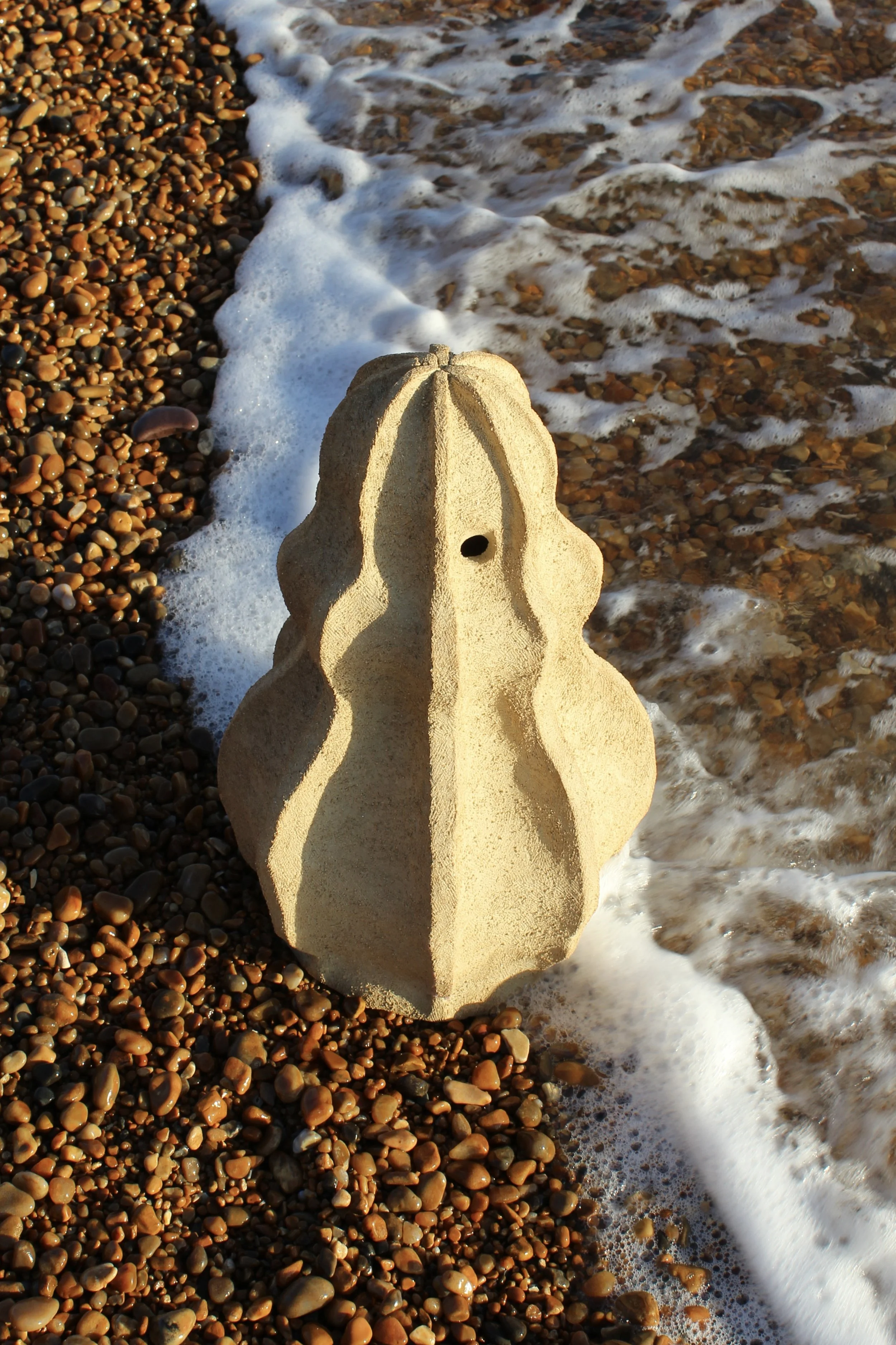
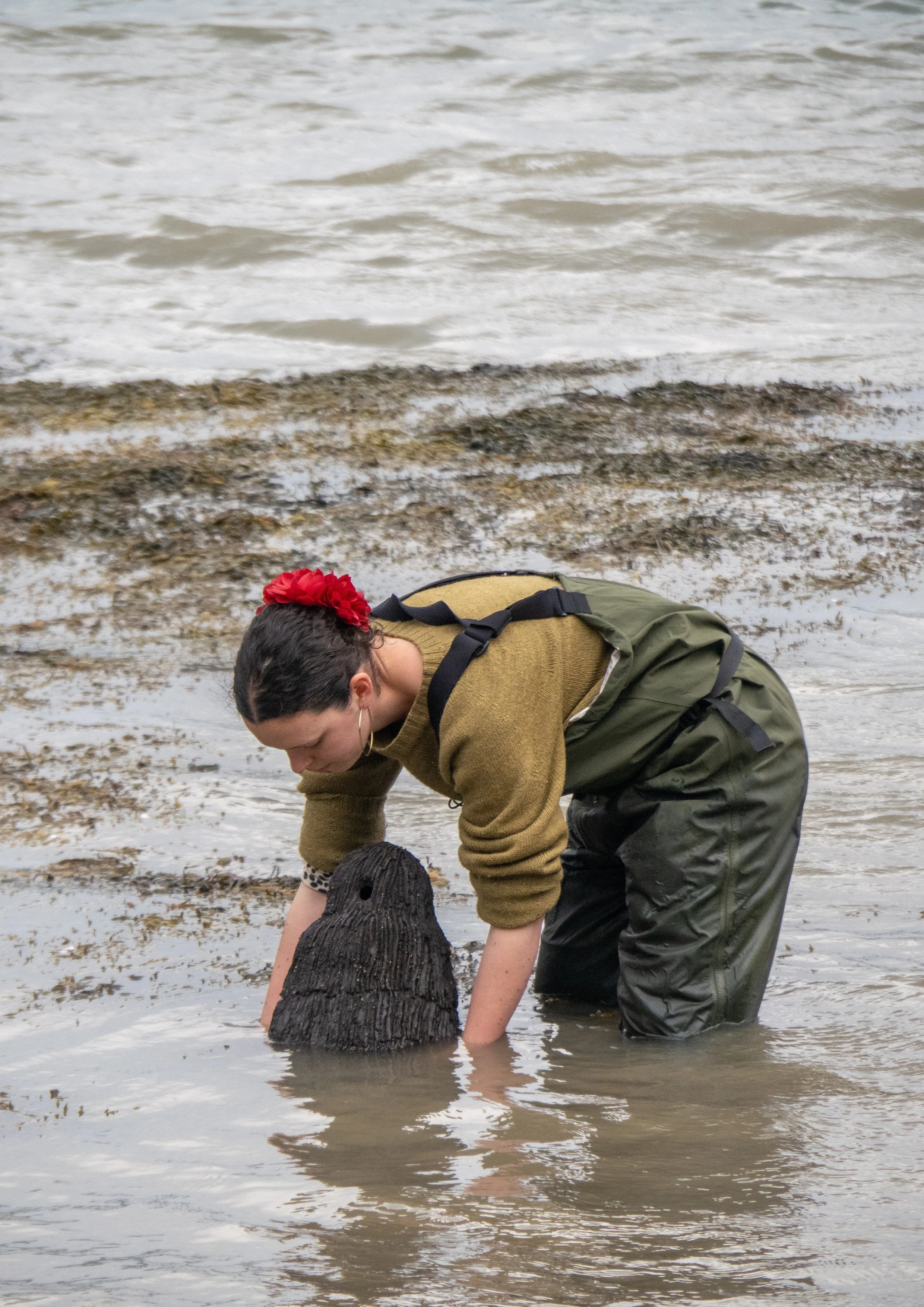
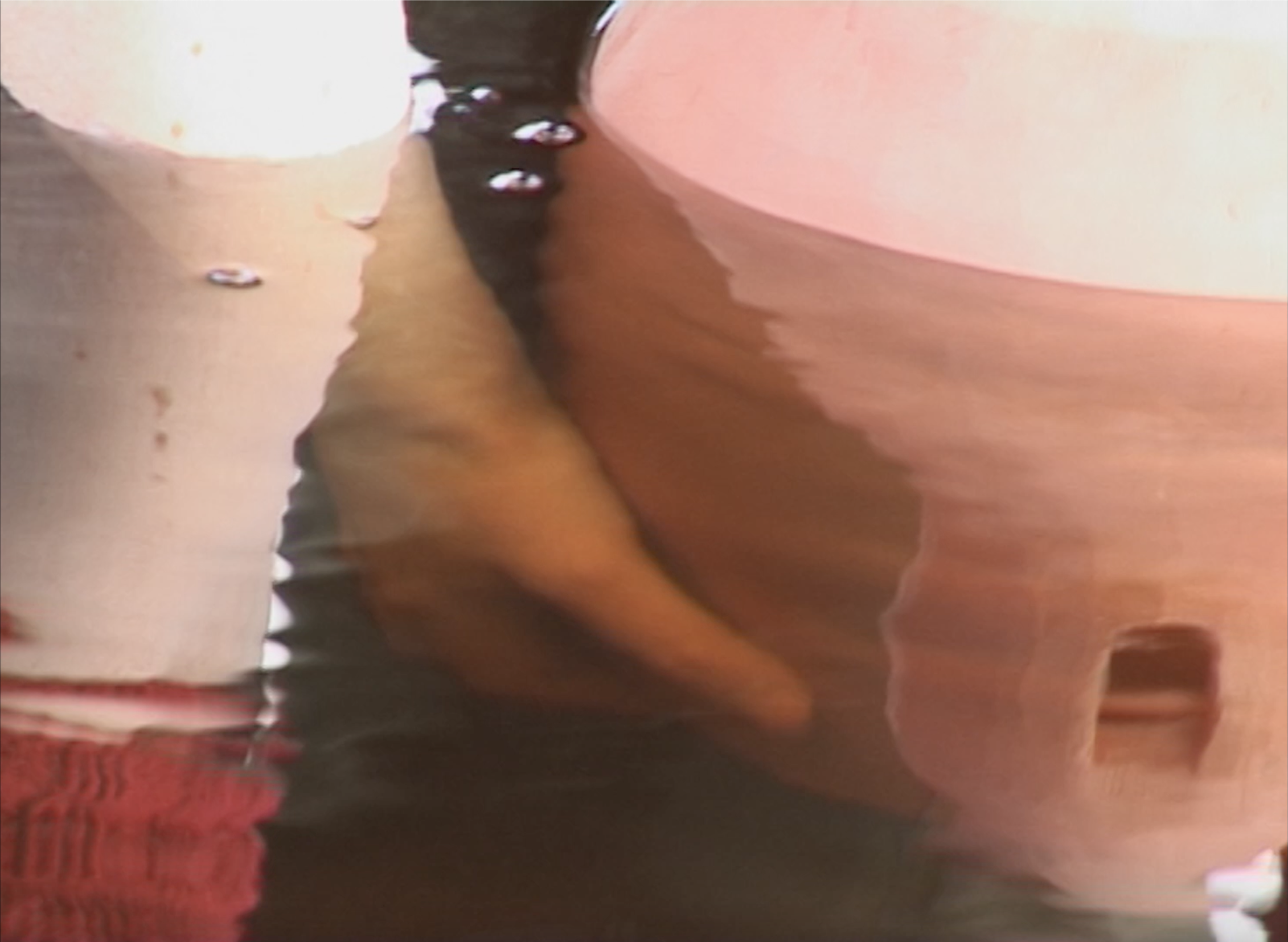
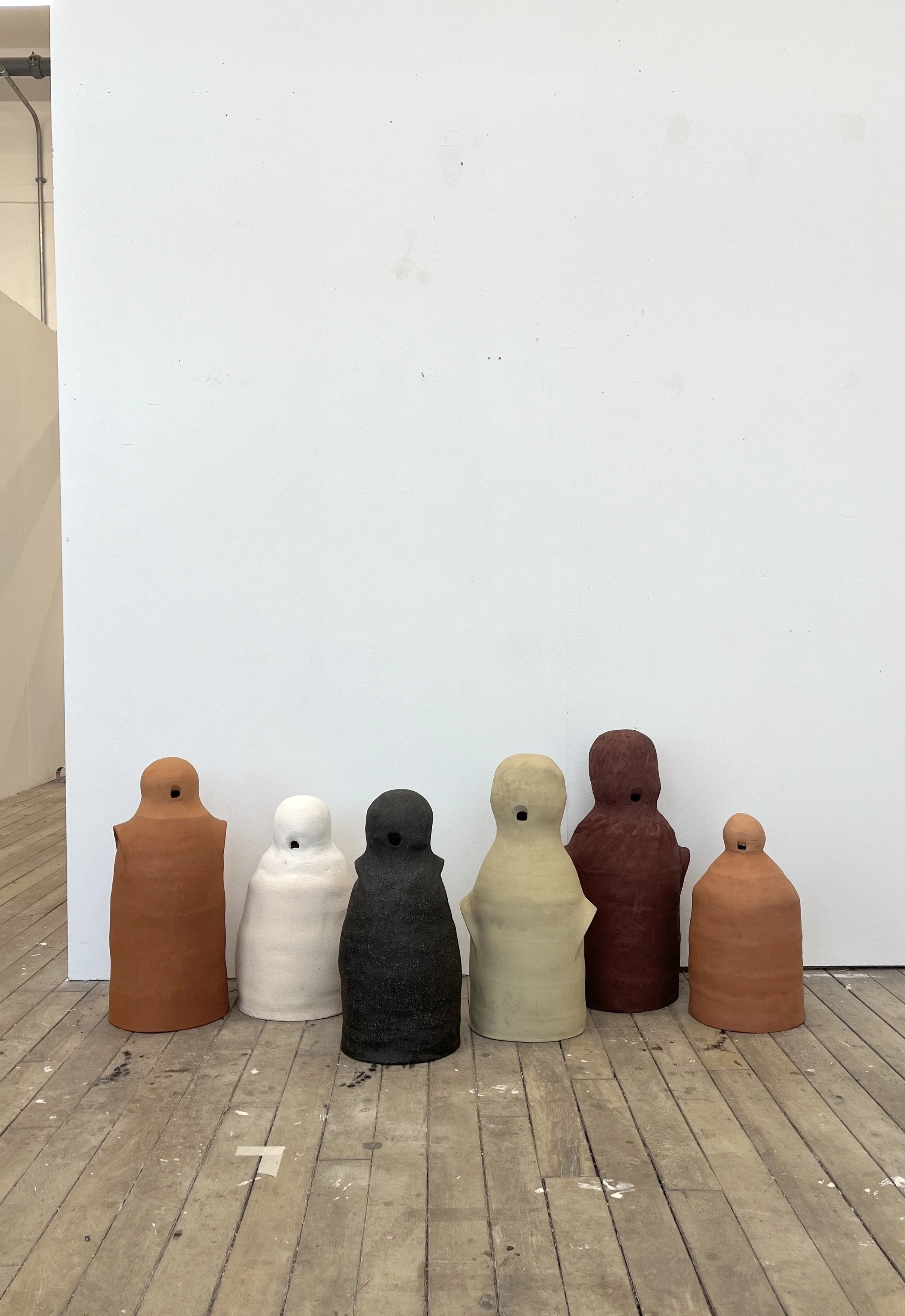
Throughout her work Bamford is continuously inspired by the ancient relationship of music and ceramics. Focusing on how one might bend the boundaries of conventional sound-making and by what means certain sounds, pitches or frequencies can positively impact the viewer. Material becomes capable of resonance, and resonance capable of connection.
Within this space where the senses are delicately heightened, the audience are not merely observers but active participants, enveloped in an experience that cultivates a harmonious connection with the world we inhabit.
Edie Evans | Sculpture | Wiltshire
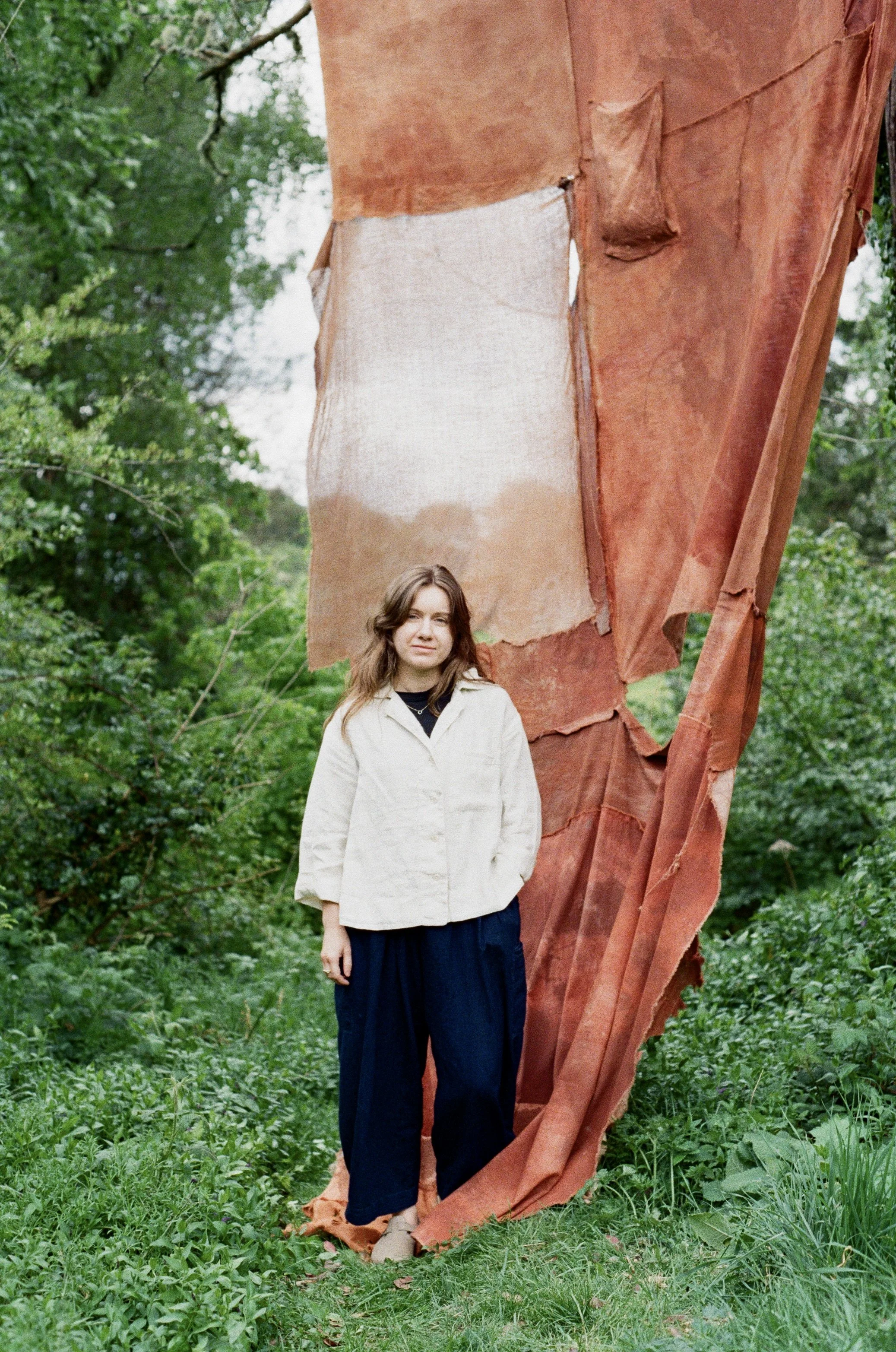
Edie Evans is an Artist whose practice investigates how clay can operate as a regenerative, circular and place-responsive discipline. Through material research, she explores alternatives to extractive ceramic production by working with locally sourced clays, reclaimed ceramic waste, vernacular materials and historic making traditions that reconnect clay to its ecological and geographical origins.
Working across sculpture and material research, she develops site-responsive processes through walking, gathering, testing and firing, allowing the characteristics of each landscape to shape both material and form. Her research draws on vernacular ceramic practices, earth construction and regional craft histories to examine how local knowledge can inform contemporary approaches to making while expanding the material possibilities of ceramics.
Central to her practice is the belief that ceramics should be understood as a material system rather than an isolated object. By investigating cycles of sourcing, making, reuse and return, she develops work that foregrounds clay's capacity for regeneration. As a neurodivergent artist, her relationship with clay is rooted in touch, repetition and sensory engagement. She understands making as a form of material thinking, where knowledge emerges through direct contact with clay, allowing embodied observation and intuitive processes to shape both research and making, fostering deeper connections between people, materials and place.
For more information on how to become a Graduate Maker, please visit this page.