
Carbon Literacy: Looking at Kilns and Furnaces
Talk with Professor Peter Oakley
Thursday 14 May 2026, 5.54pm - 7.30pm
FREE
Venue: MAKE Southwest
Suitable for: Adults
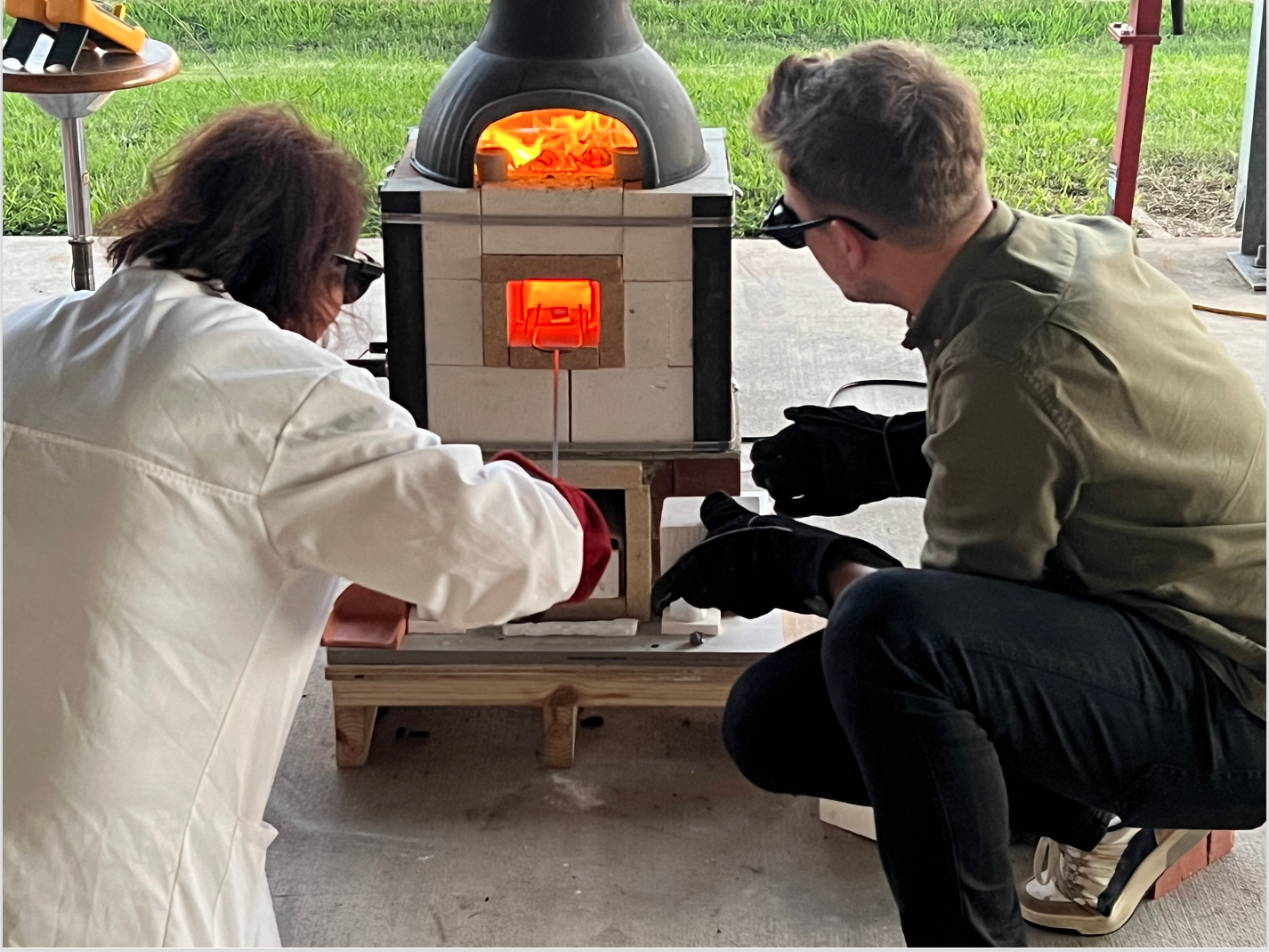
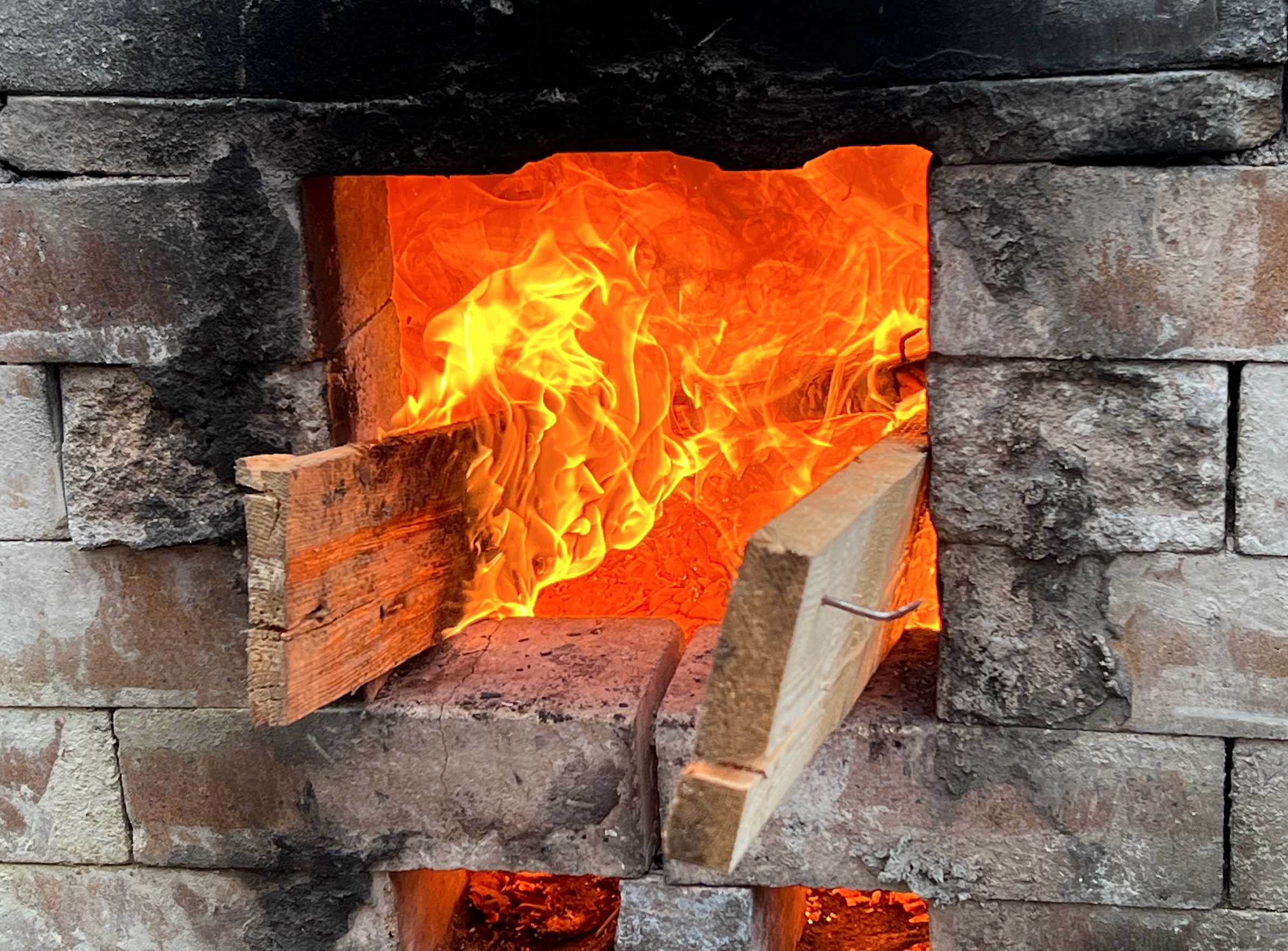
A range of crafts rely heavily on high-heat processes: ceramic kilns and metalworking furnaces being two examples. Over the past six years Professor Peter Oakley has been researching issues around carbon literacy relating the applied arts, including scoping projects for the Arts and Humanities Research Council (AHRC) and Department for Digital, Culture, Media and Sport (DCMS), a project exploring how to reduce the carbon footprint of small-scale charcoal production, and a current Fellowship focusing on the carbon footprint of ceramic kiln firings.
This presentation will outline aspects of these projects and some of the key findings, as well as explaining why carbon literacy is necessary in the 21st century. Using the example of kilns and furnaces, he will demonstrate why determining the carbon footprint of a process is typically more complex than it first appears, and how defining an activity as net zero is a more subjective process than many people realise. But this is not to deny that responsible practice in the crafts and applied arts includes decarbonising making practises as far as possible.
This session will also be an opportunity for craft and applied arts practitioners to share their experiences and ask questions about calculating and reducing their own professional carbon footprints, as well as learn about current research on the topic.
Please arrive from 5.45pm for the talk to start promptly at 6pm.
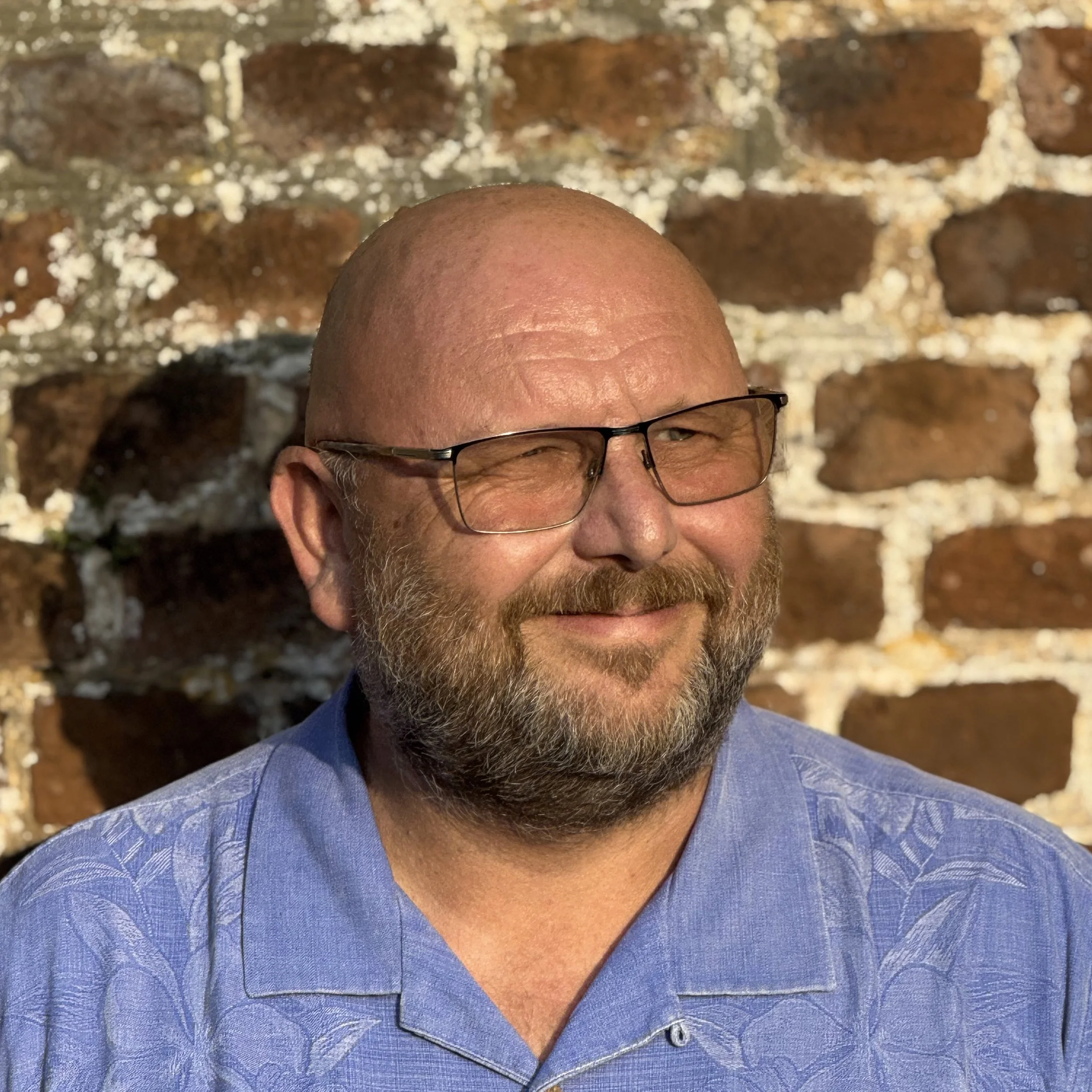
Peter Oakley is Professor in Material Culture, Director of the Sustainable Practices in the Anthropocene (SPA) Research Lab and Co-Lead of the Material Engagements Research Cluster (MERC) at the Royal College of Art. He specialises in ethnographic, experiential, and object-based research. His academic expertise covers anthropology, creative practice, science and technology studies, and industrial heritage.