Staying Alive
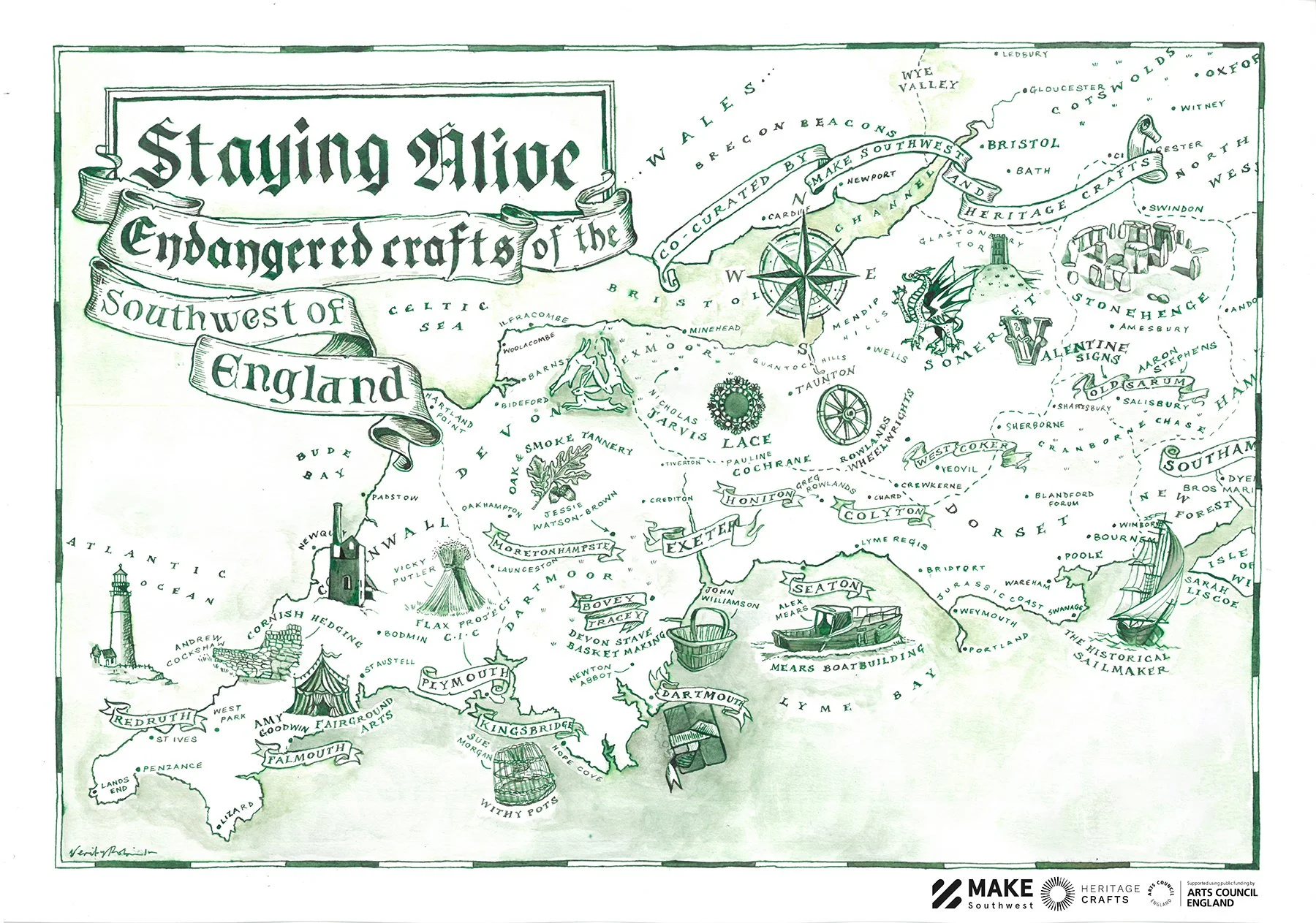
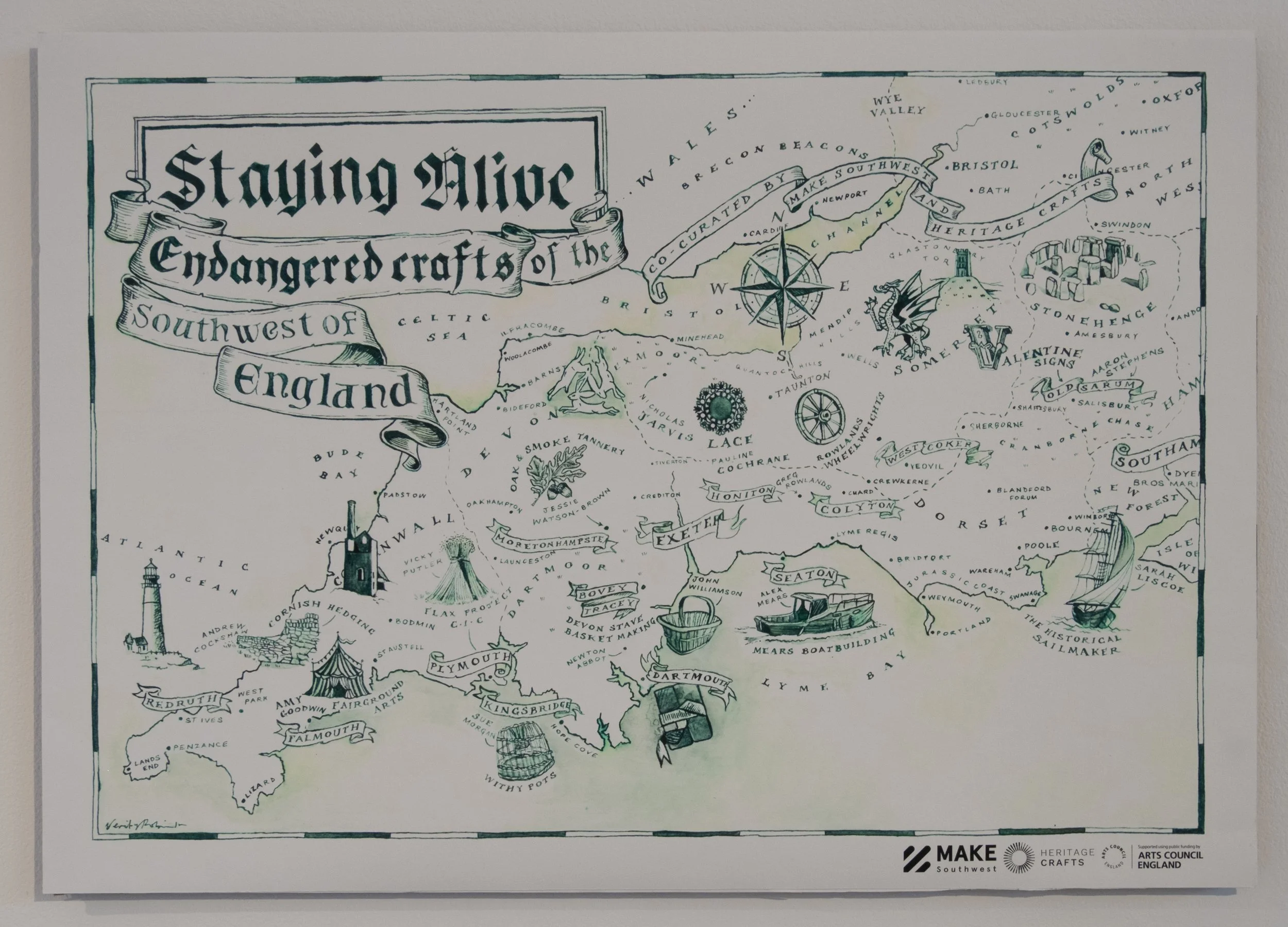
Endangered crafts of the Southwest of England, co-curated by Heritage Crafts
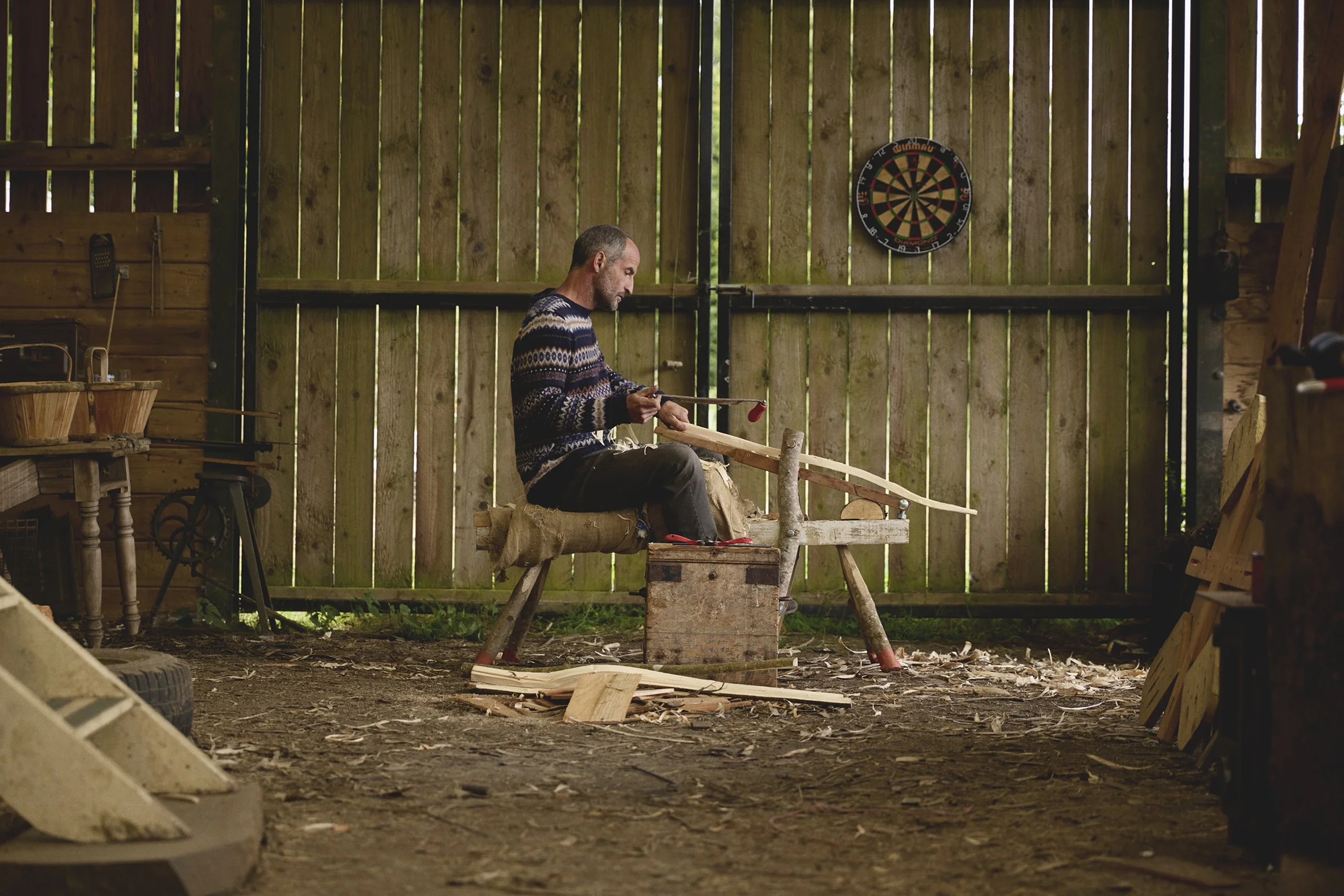
Image credit: Jon Cardwell
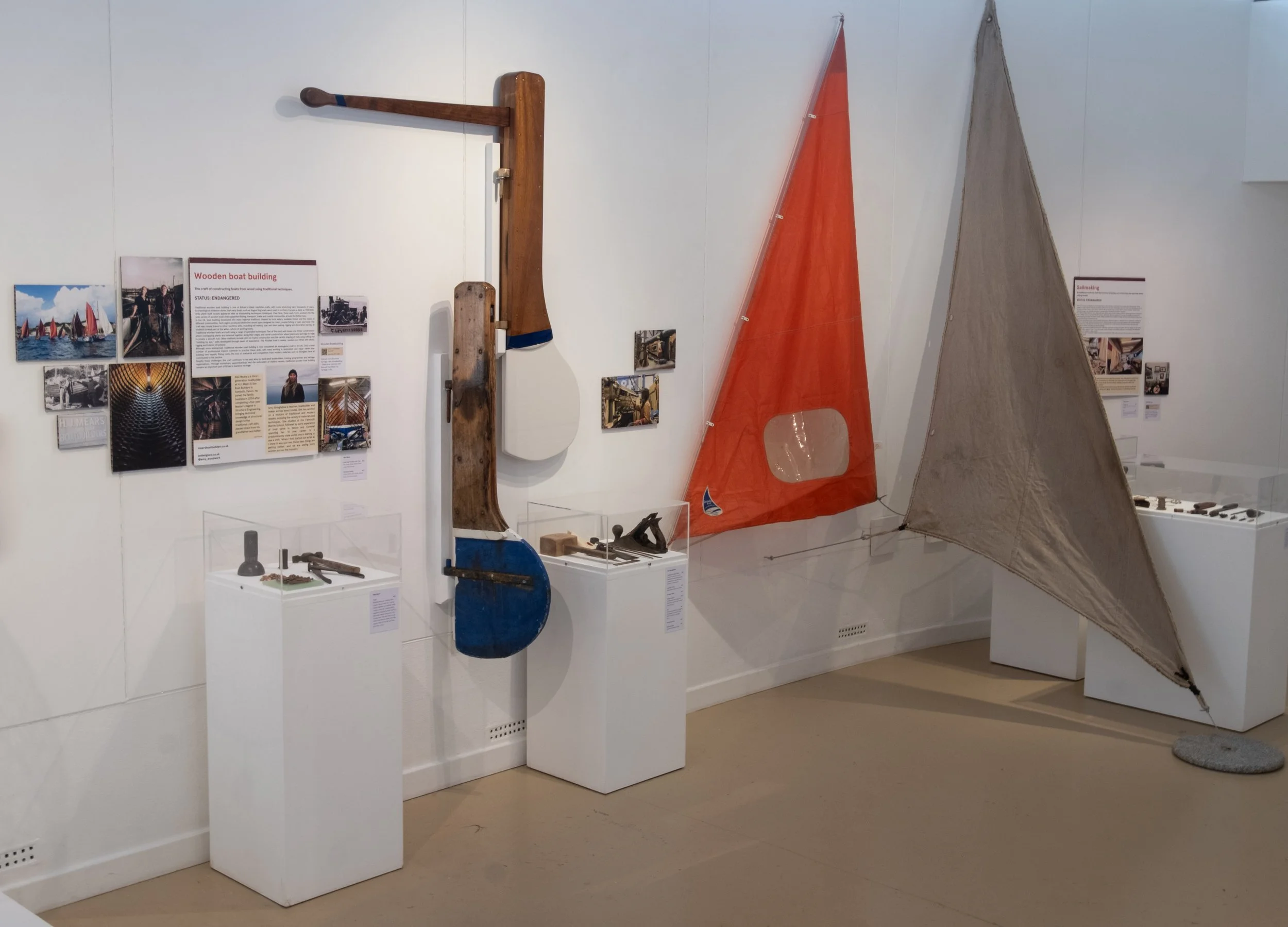
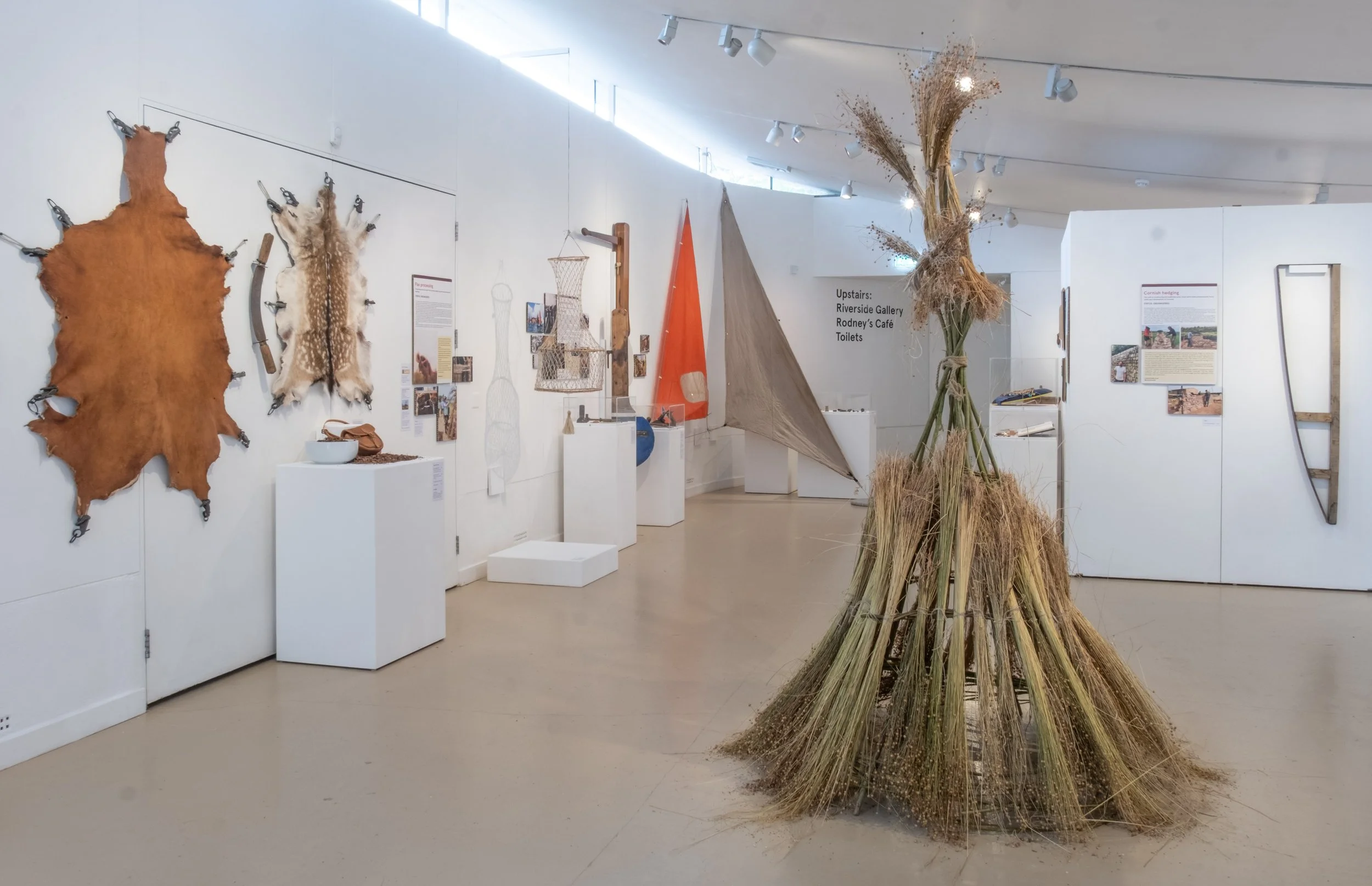
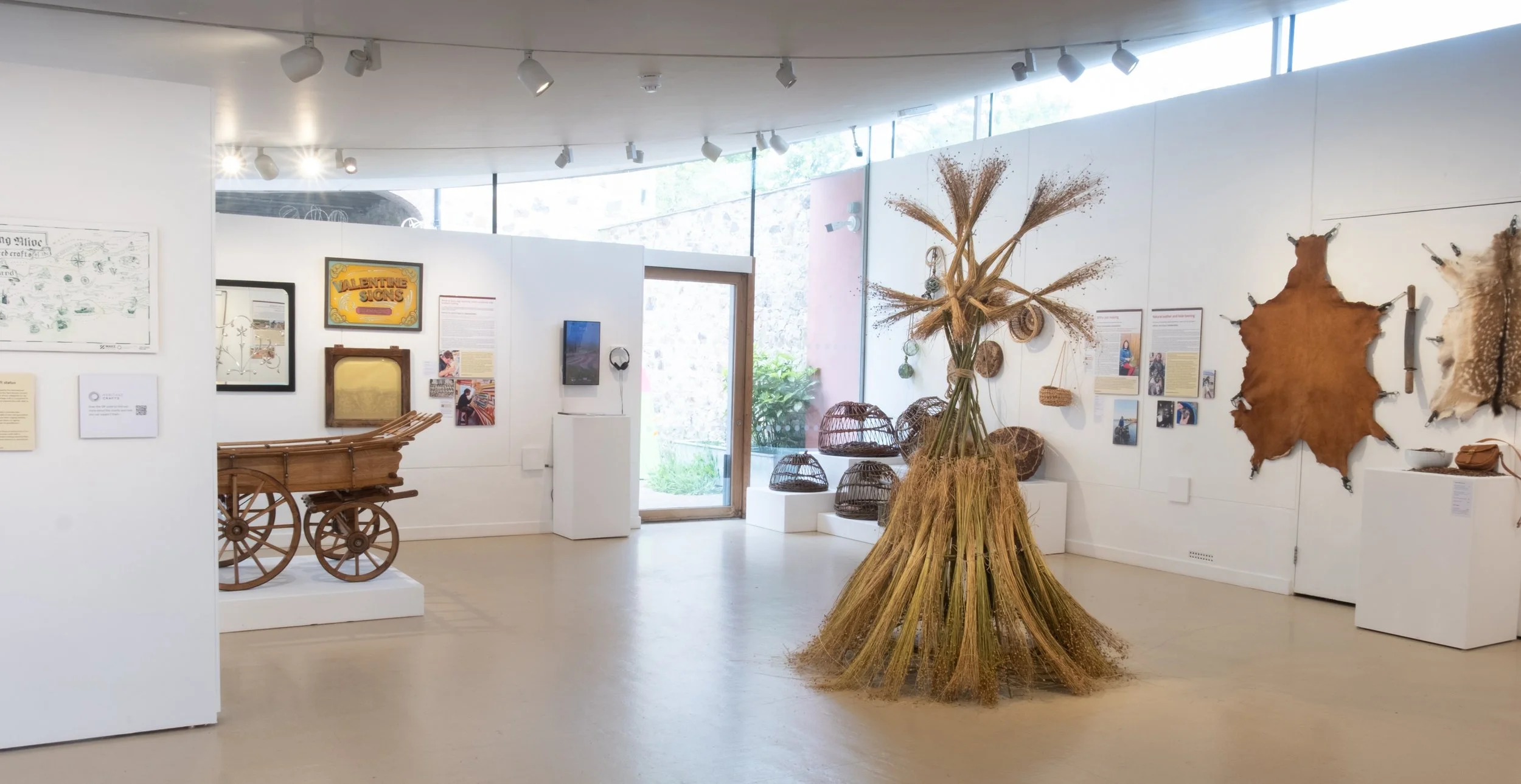
This exhibition shines a light on some of the Southwest’s most endangered crafts.
Fourteen master makers share their skills, tools, and stories, showing how traditions shaped by the region’s land and sea still have relevance and beauty today. From boatbuilding and ropemaking to hedging, basketmaking, and tanning, these crafts connect past and present, keeping centuries of knowledge alive in the modern world.
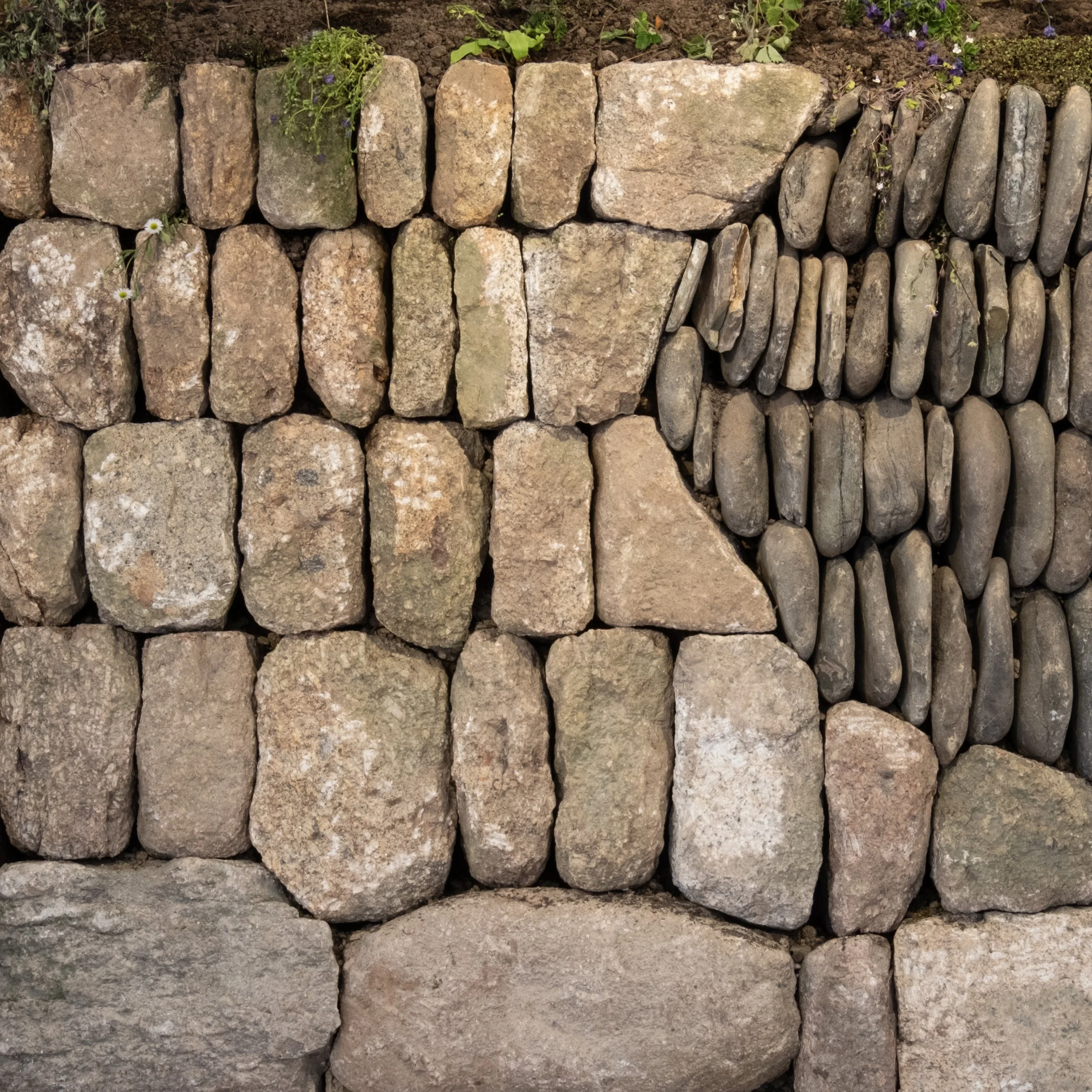
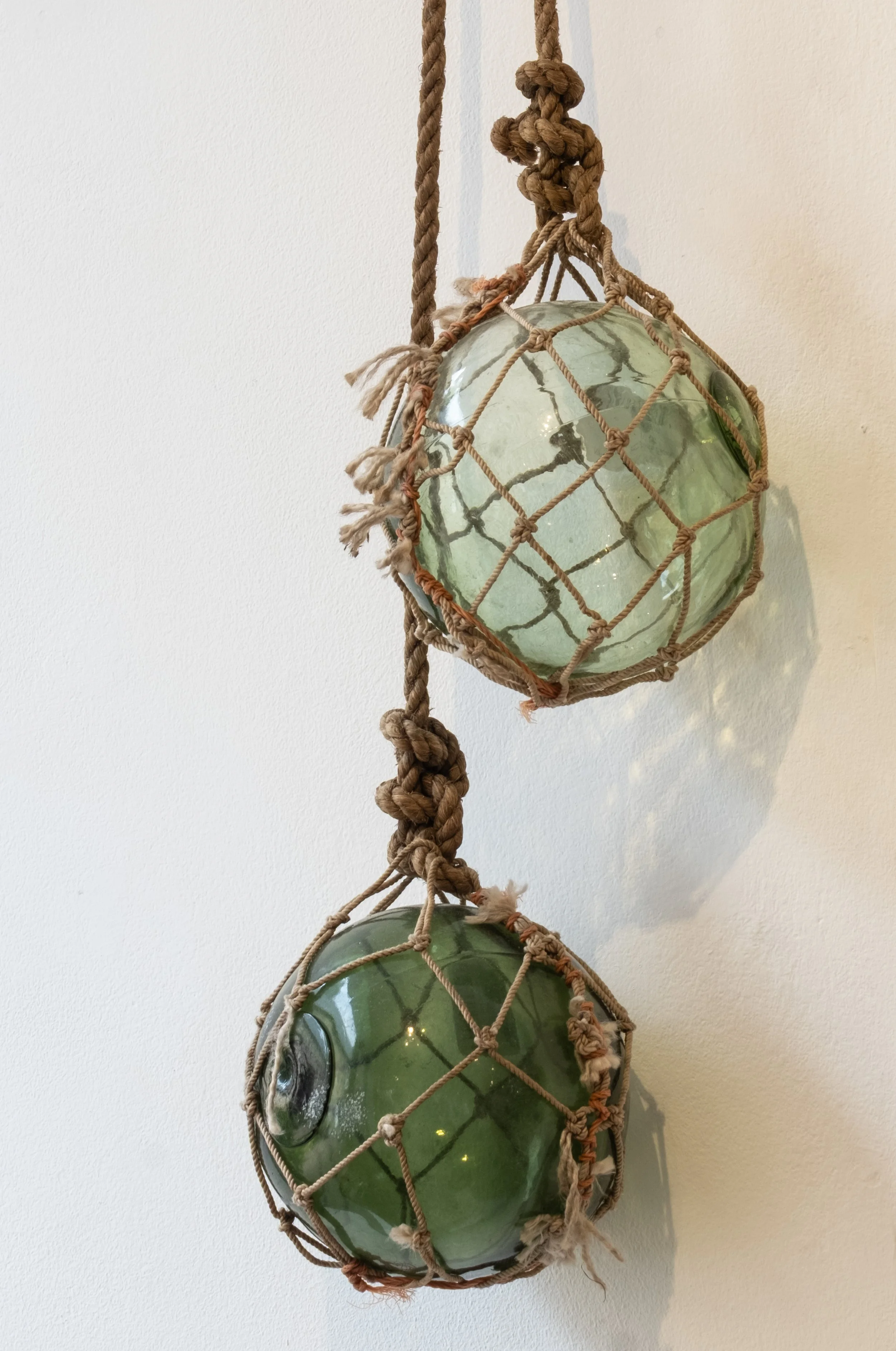
The distinctive geography and location of the Southwest have greatly influenced the region’s traditional industries and heritage crafts. Its extensive, rugged coastline and proximity to the Atlantic have long supported a thriving fishing industry, which gave rise to related trades such as boatbuilding, sailmaking, ropemaking, and lobster pot making - many of which still survive today in some form. Inland, agriculture has played a key role, particularly sheep farming, which led to wool-based crafts like spinning, dyeing, and knitting. The area’s rich natural resources also supported industries such as stone quarrying and carving, along with metal mining and processing. Moreover, the Southwest’s relative isolation has helped preserve its unique regional identities, dialects, and longstanding traditions, including thatching, dry stone walling, and hedge laying.
2 May - 4 July 2026
Jubilee Gallery
Events
Friday 1 May, 6 - 8pm: Opening Party
Friday 8 May, 10.30am - 4.30pm: Signwrite Your Own Ornate Letter, a workshop with Amy Goodwin
Tuesday 26 May, 10.30am - 12.30pm: Make a Ditty Bag, a workshop for children & families with Sue Liscoe
Tuesday 26 May, 1.30pm - 3.30pm: Make a Ditty Bag, a workshop for children & families with Sue Liscoe
Saturday 9 May 2026, 10am - 4pm: Collaborative Corn Dolly Making, drop-in session with Vicky Putler
Friday 19 June 2026, 10.30am - 3.30pm:Make a Flax Corn Dolly, a workshop with Vicky Putler
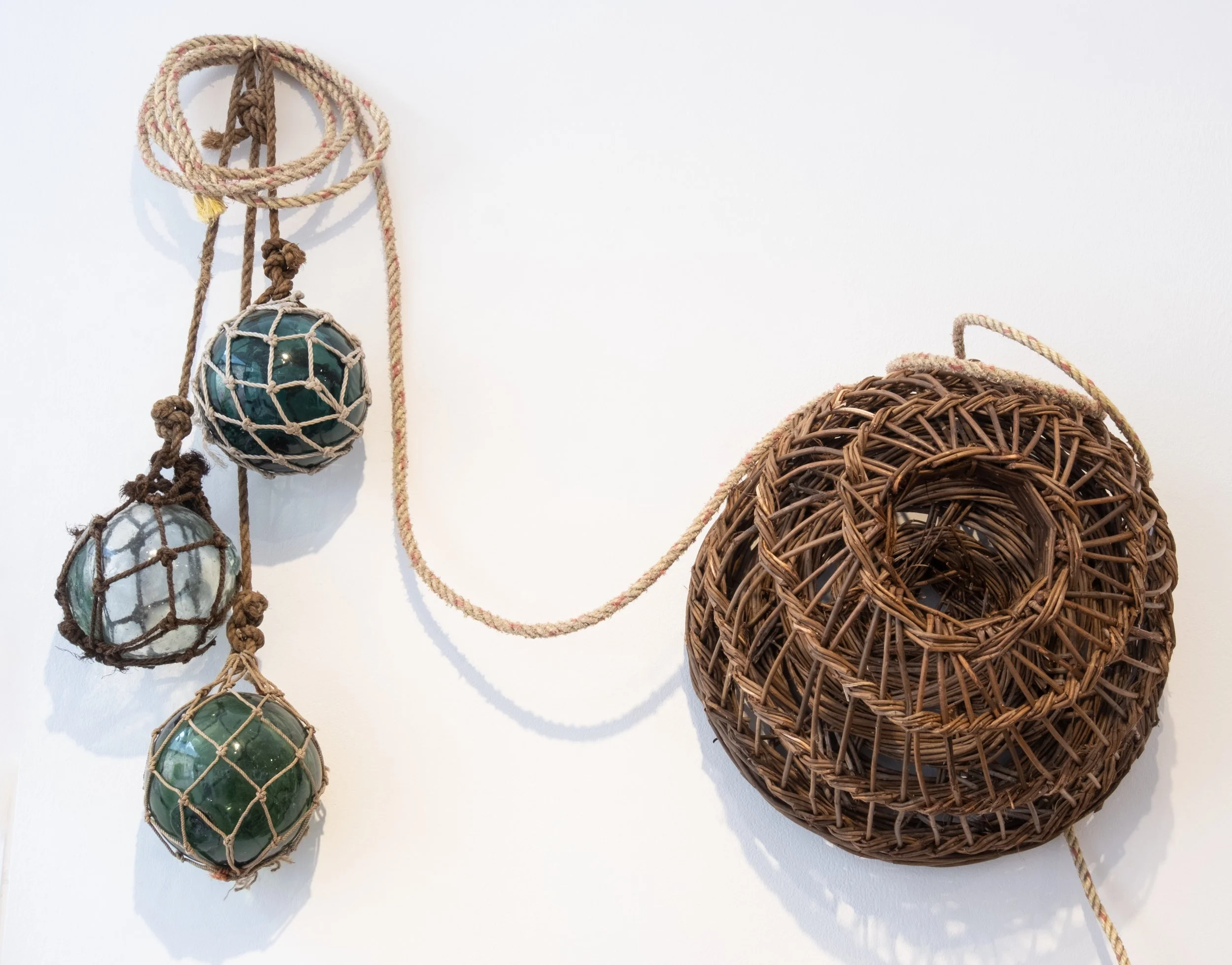
Friday 3 July, 10.30am - 3.30pm: Withy Pot Demo & Meet the Maker with Sue Morgan
Saturday 4 July, 10.30am - 4pm: Make a Willow Crab Pot, a workshop with Sue Morgan

The exhibitors
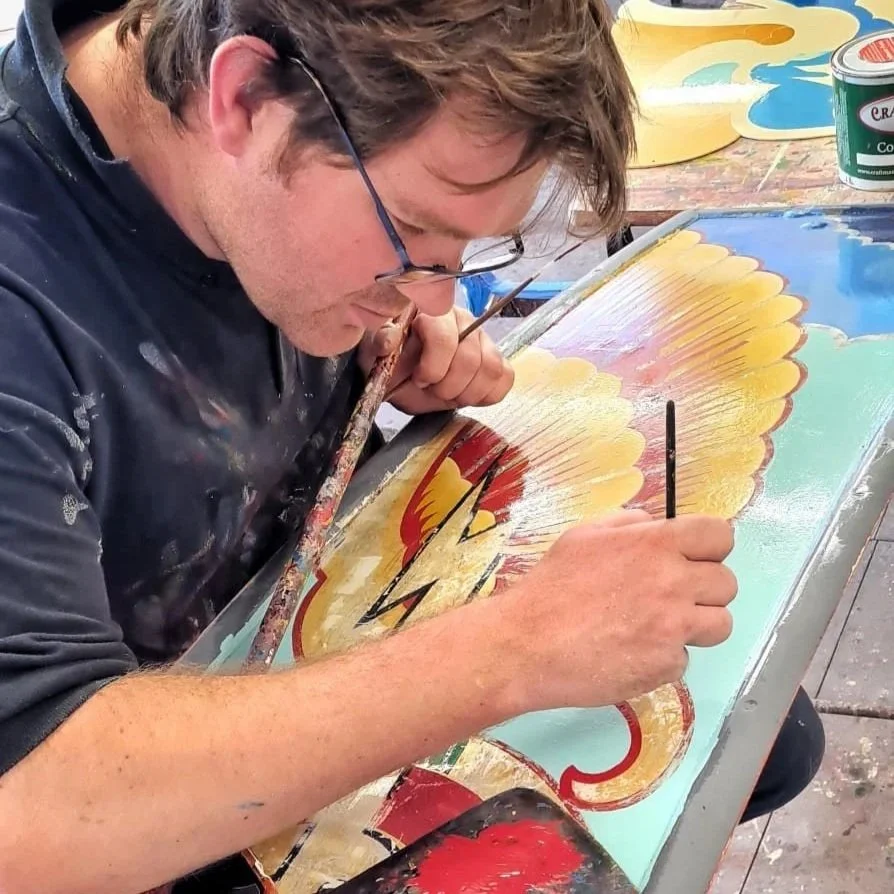
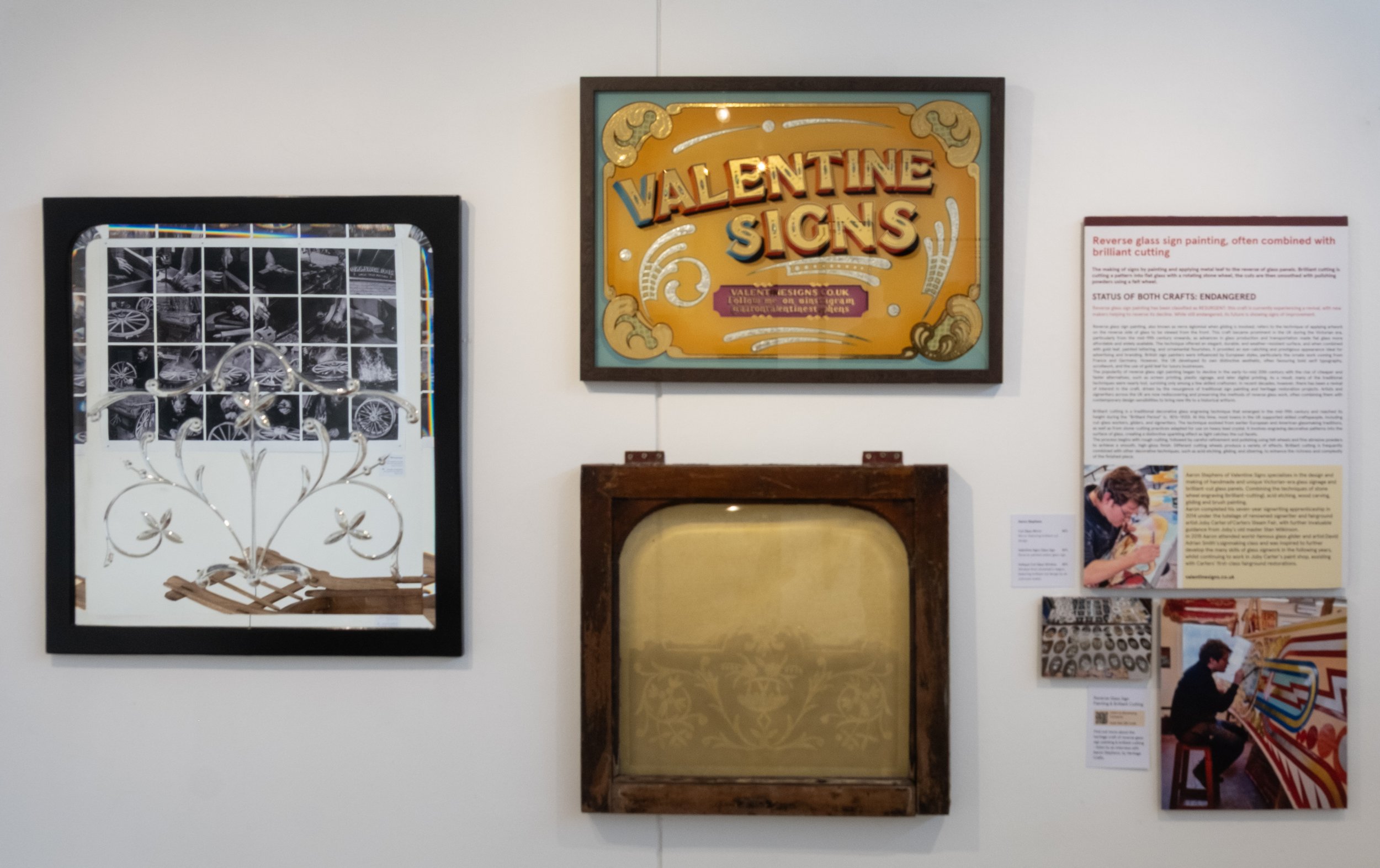
Aaron Stephens Valentine Signs
REVERSE GLASS SIGN PAINTING & BRILLIANT CUTTING
Aaron Stephens of Valentine Signs specialises in the design and making of handmade and unique Victorian-era glass signage and brilliant-cut glass panels. Combining the techniques of stone wheel engraving (brilliant-cutting), acid etching, wood carving, gilding and brush painting.
Aaron completed his seven-year signwriting apprenticeship in 2014 under the tutelage of renowned signwriter and fairground artist Joby Carter of Carters Steam Fair, with further invaluable guidance from Joby’s old master Stan Wilkinson.
In 2015 Aaron attended world-famous glass gilder and artist David Adrian Smith’s signmaking class and was inspired to further develop the many skills of glass signwork in the following years, whilst continuing to work in Joby Carter’s paint shop, assisting with Carters’ first-class fairground restorations.
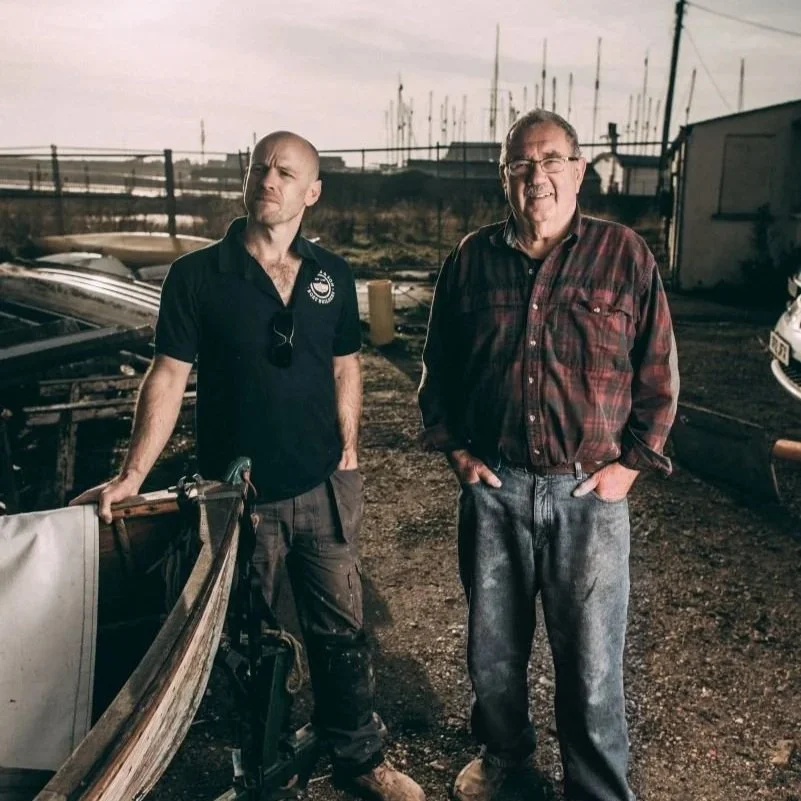
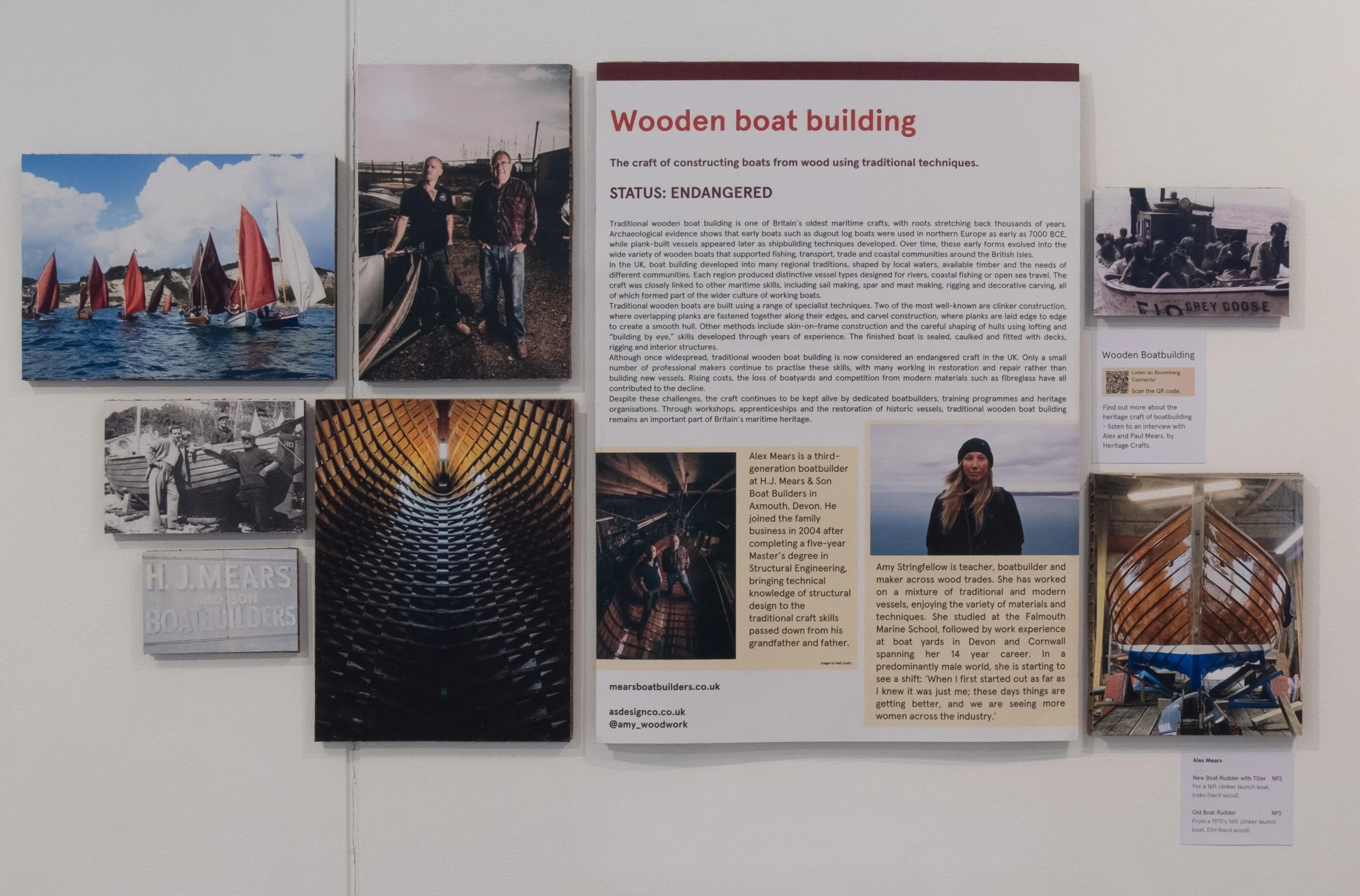
Alex & Paul Mears (left to right)
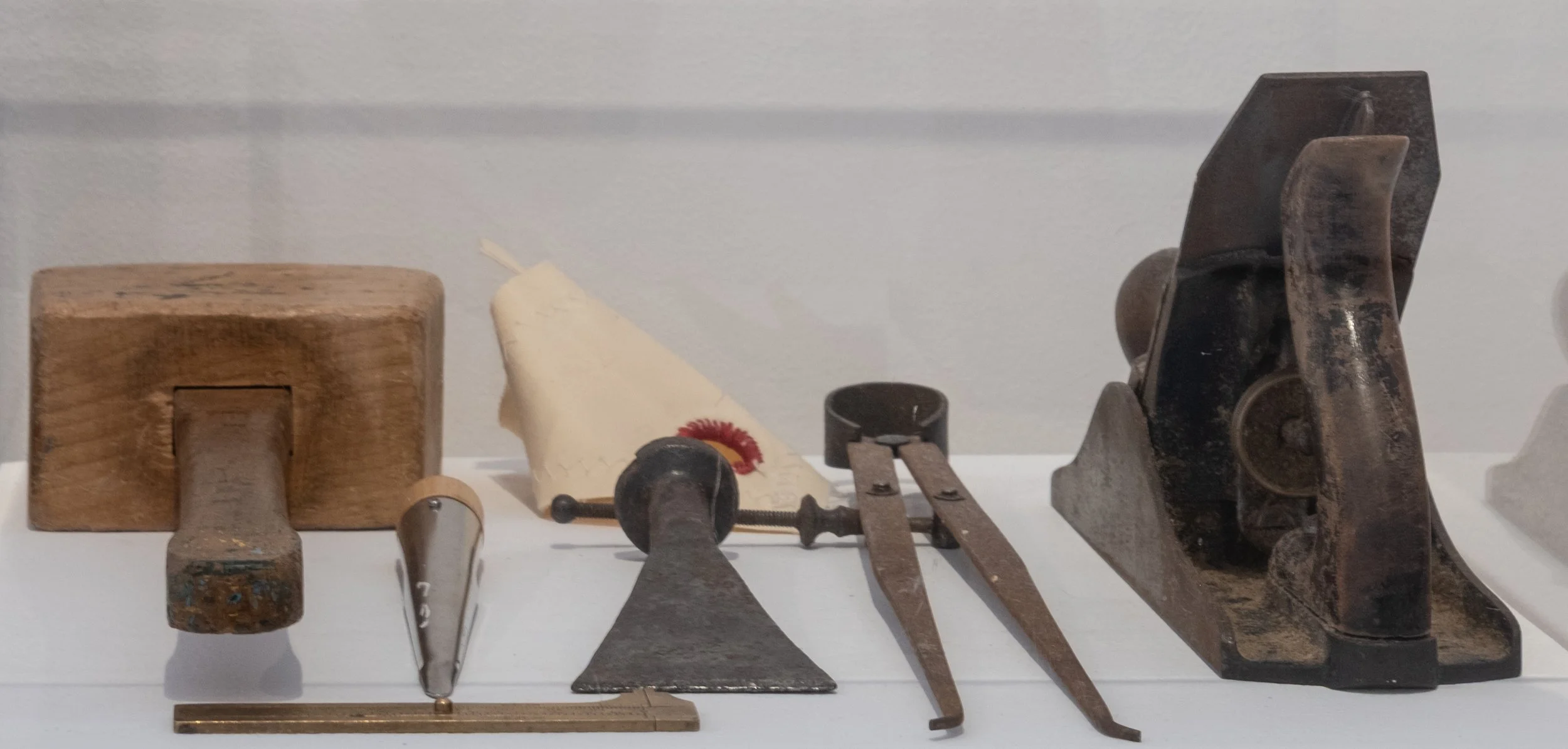
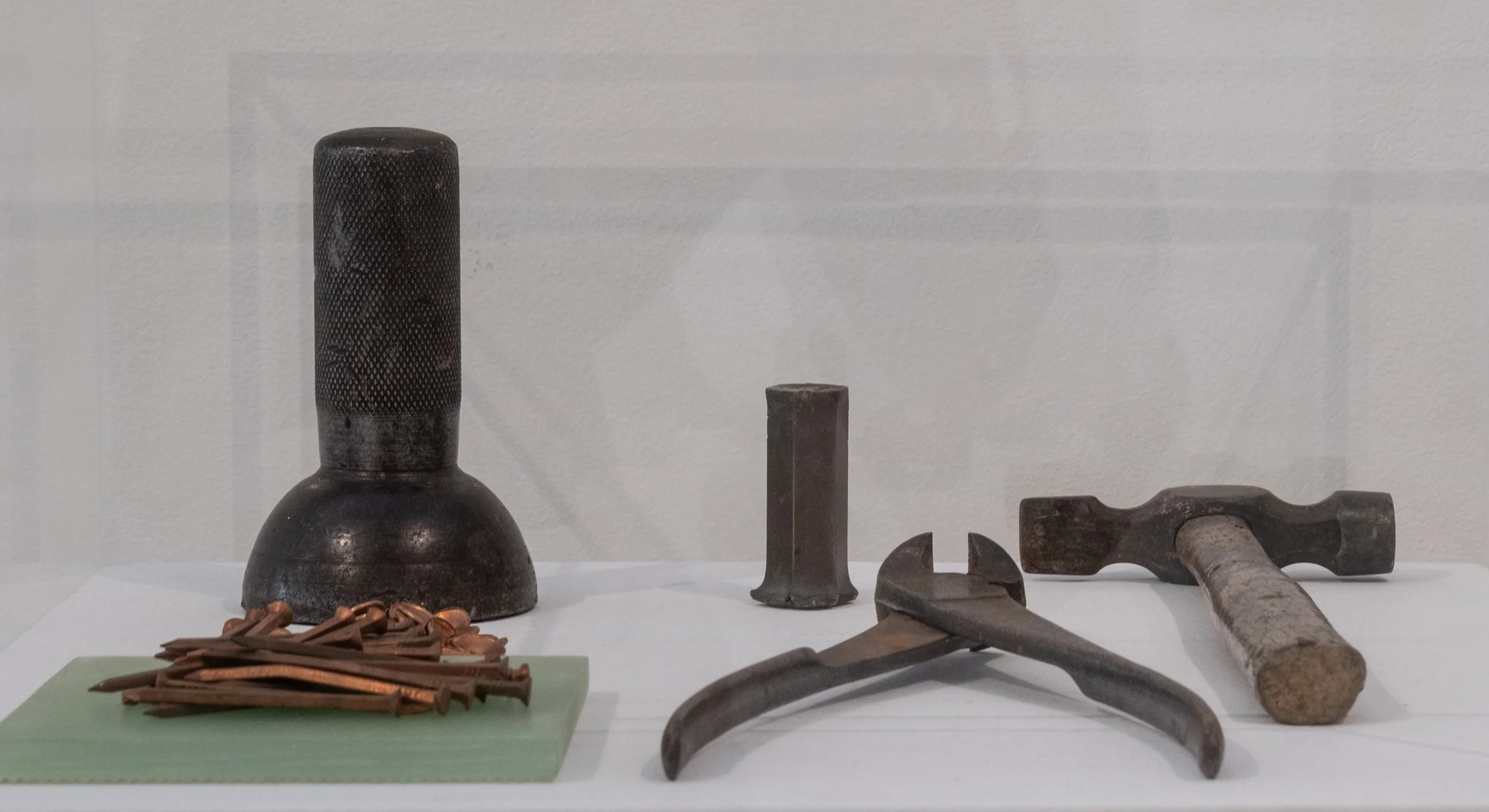
WOODEN BOATBUILDING
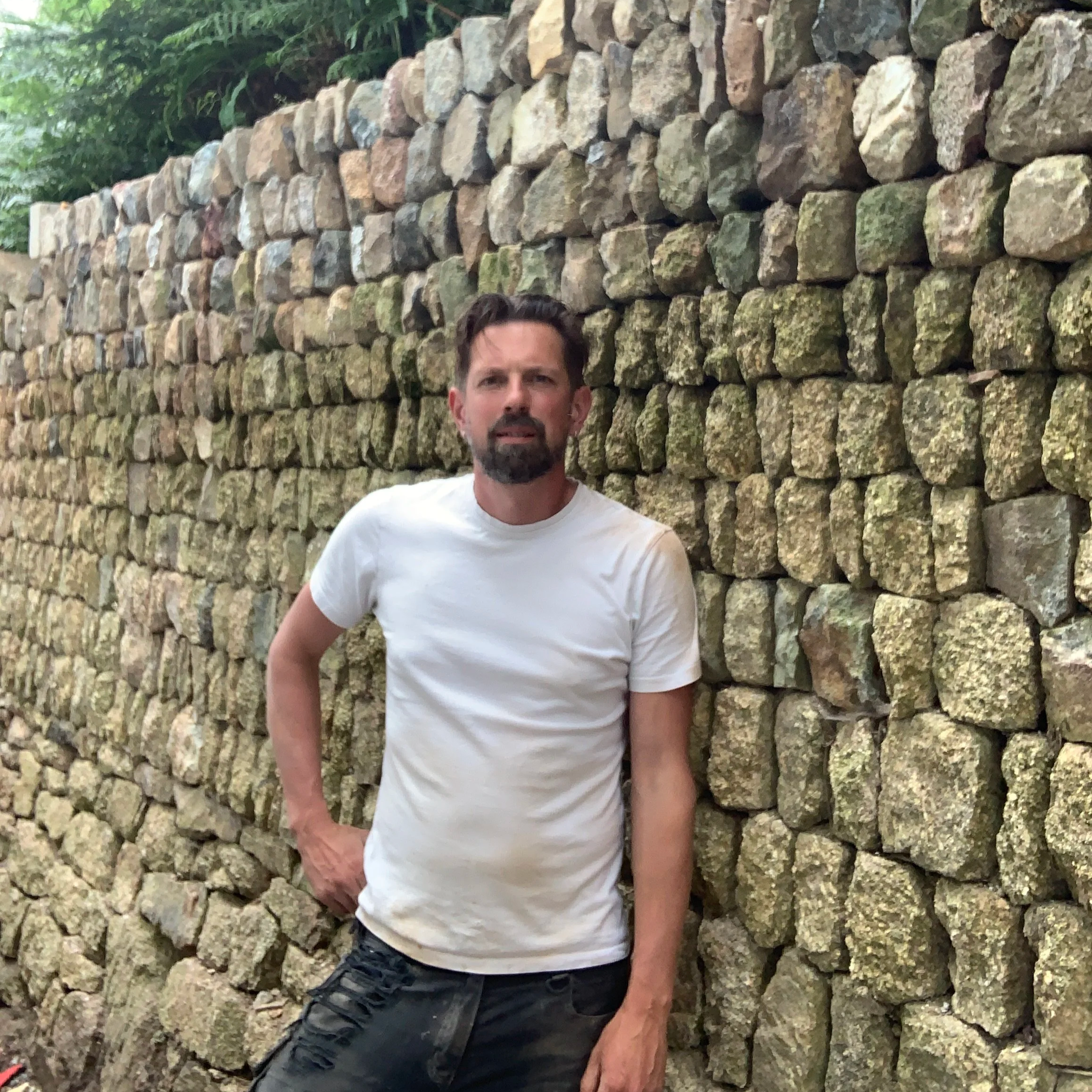
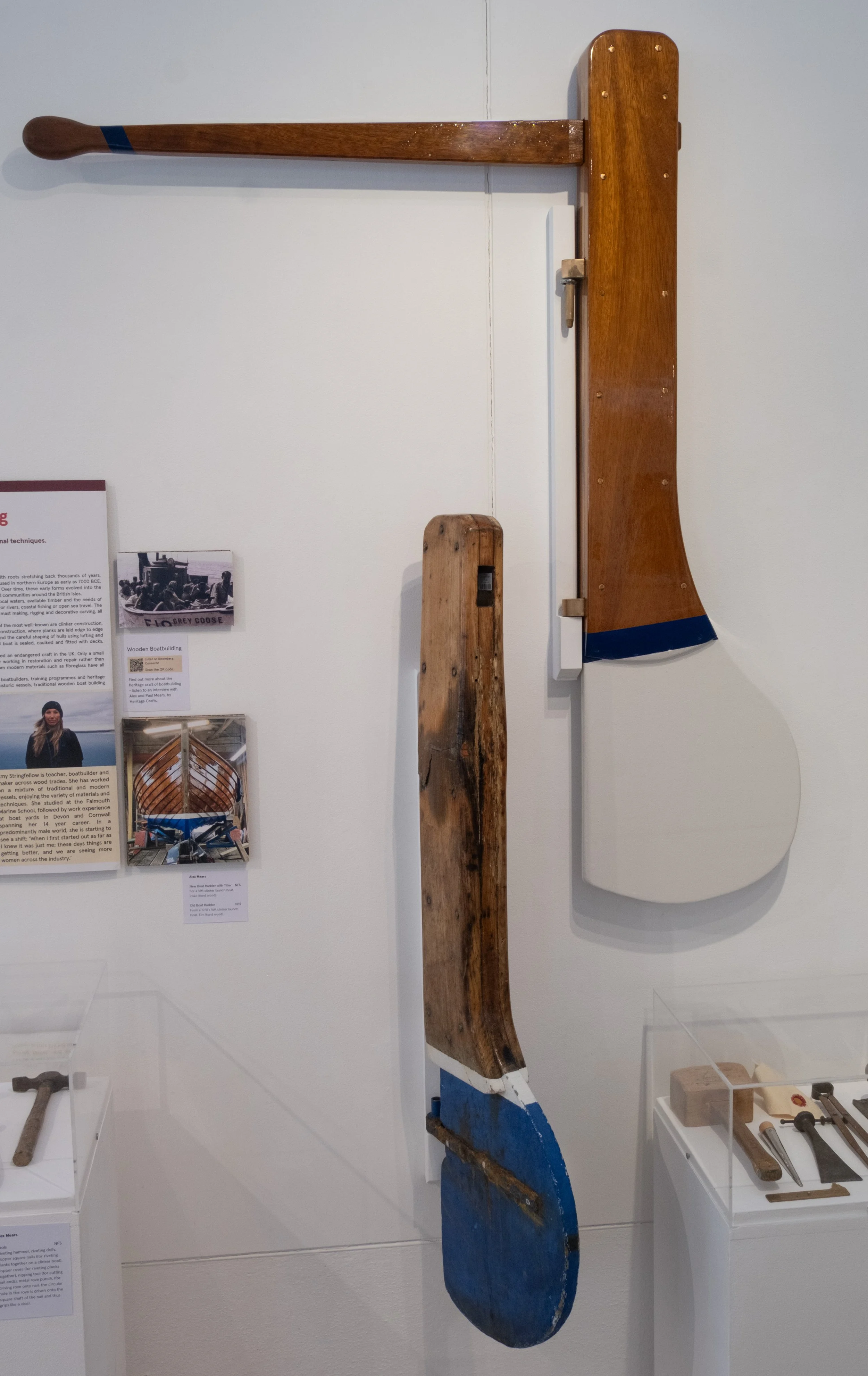
Alex Mears is a third-generation boatbuilder at H.J. Mears & Son Boat Builders in Axmouth, Devon. He joined the family business in 2004 after completing a five-year Master’s degree in Structural Engineering, bringing technical knowledge of structural design to the traditional craft skills passed down from his grandfather and father.
Photo credit: Matt Austin
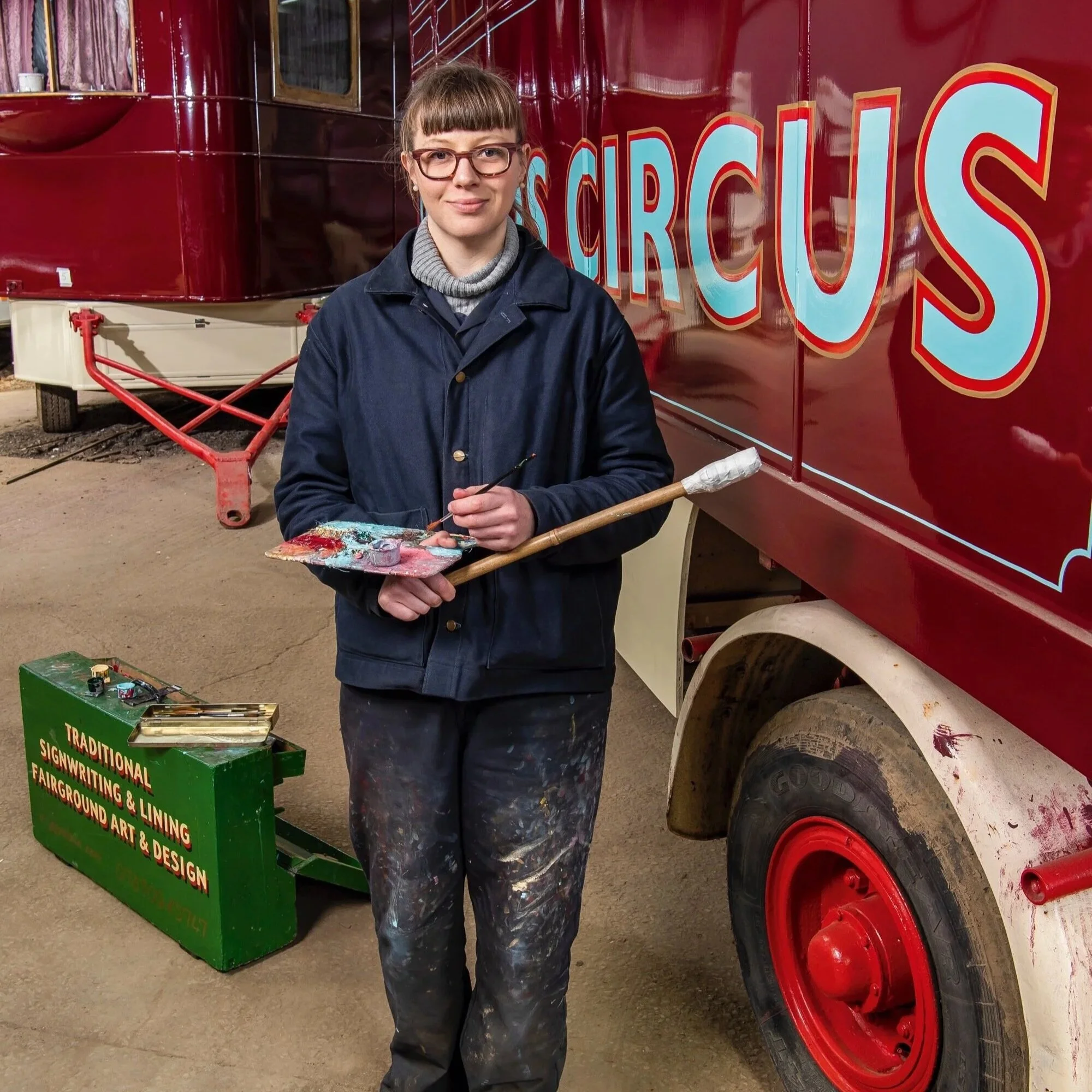
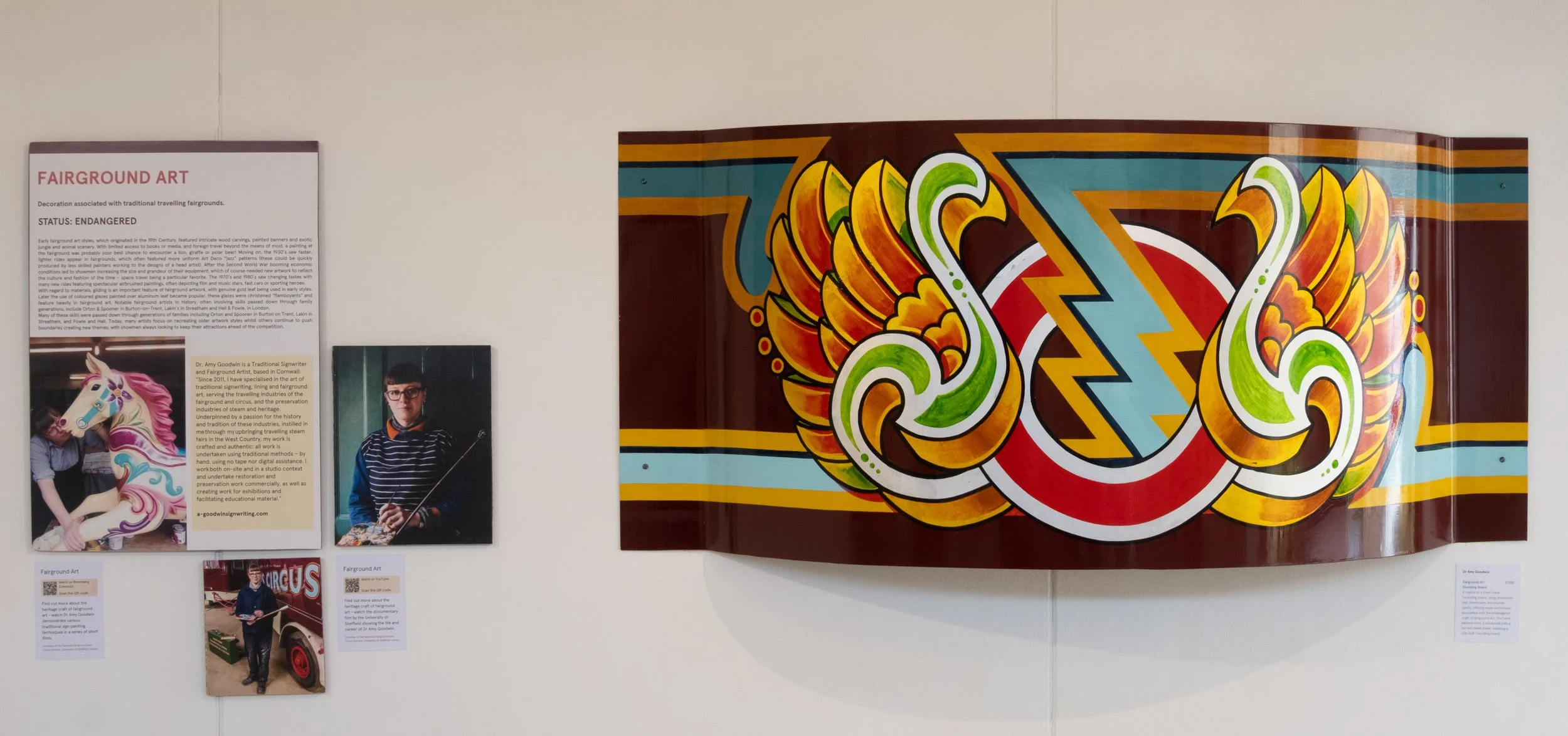
Amy Goodwin
FAIRGROUND ART
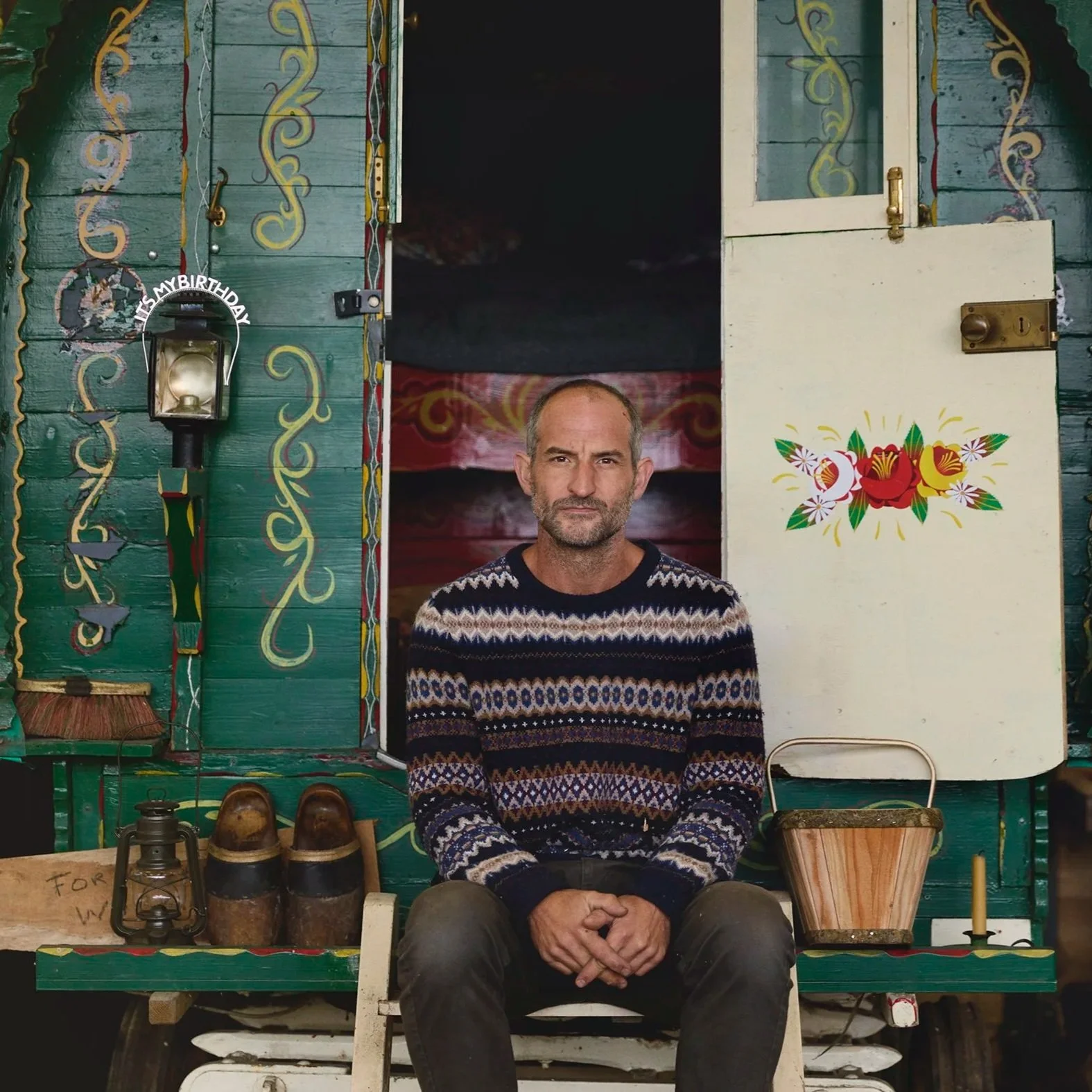
Dr. Amy Goodwin is a Traditional Signwriter and Fairground Artist, based in Cornwall:
“Since 2011, I have specialised in the art of traditional signwriting, lining and fairground art, serving the travelling industries of the fairground and circus, and the preservation industries of steam and heritage. Underpinned by a passion for the history and tradition of these industries, instilled in me through my upbringing travelling steam fairs in the West Country, my work is crafted and authentic: all work is undertaken using traditional methods – by hand, using no tape nor digital assistance. I work both on-site and in a studio context and undertake restoration and preservation work commercially, as well as creating work for exhibitions and facilitating educational material.”
Amy Stringfellow
WOODEN BOATBUILDING
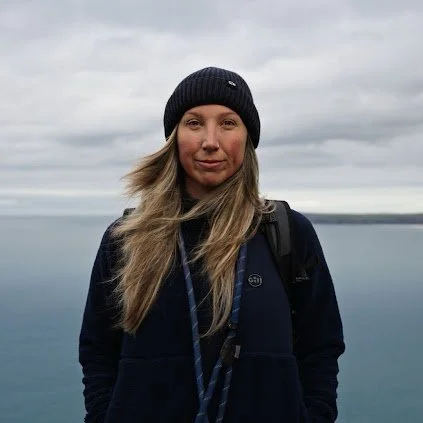
Amy Stringfellow is teacher, boatbuilder and maker across wood trades. She has worked on a mixture of traditional and modern vessels, enjoying the variety of materials and techniques. She studied at the Falmouth Marine School, followed by work experience at boat yards in Devon and Cornwall spanning her 14 year career. In a predominantly male world, she is starting to see a shift: ‘When I first started out as far as I knew it was just me; these days things are getting better, and we are seeing more women across the industry.’
Andrew Cockshaw CREST
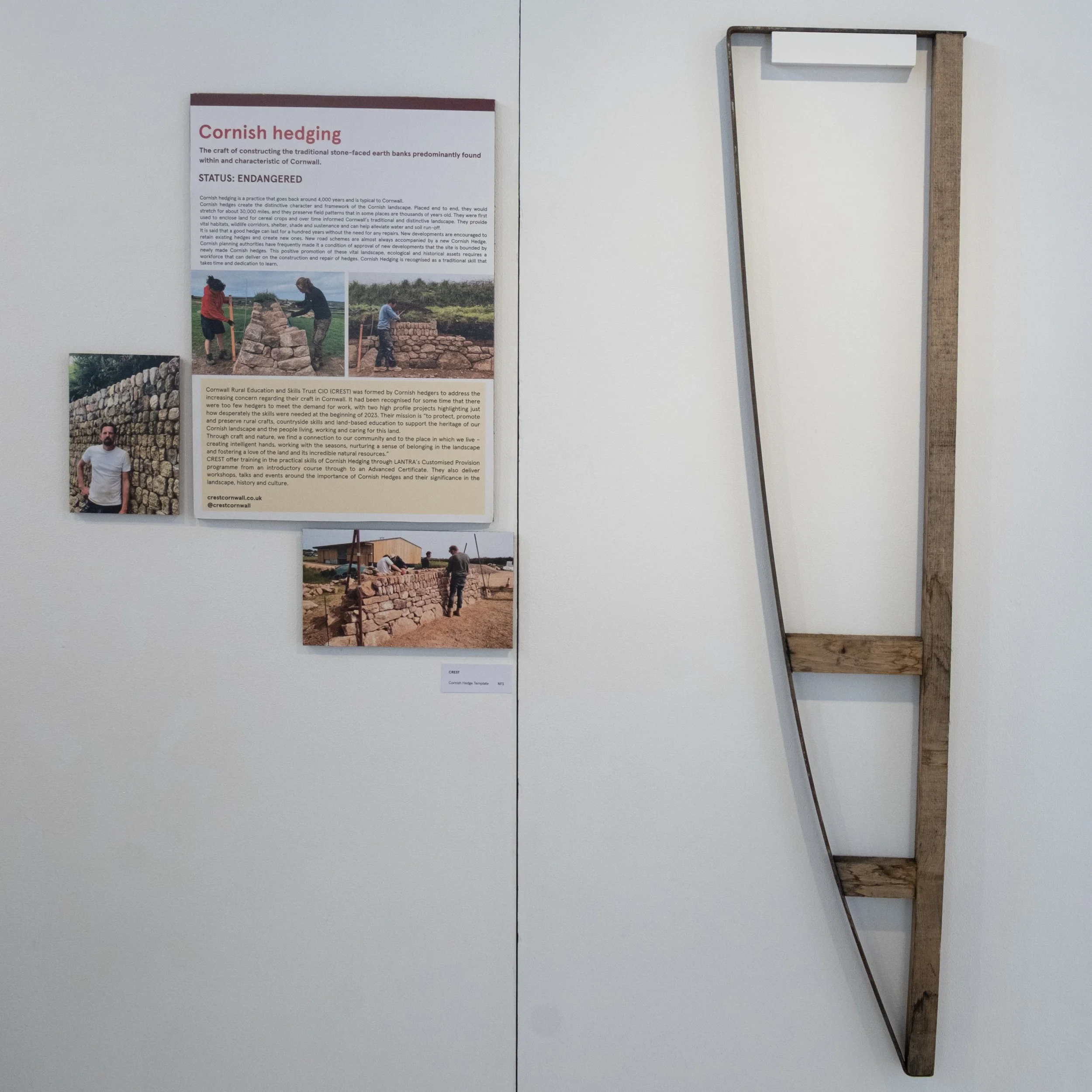
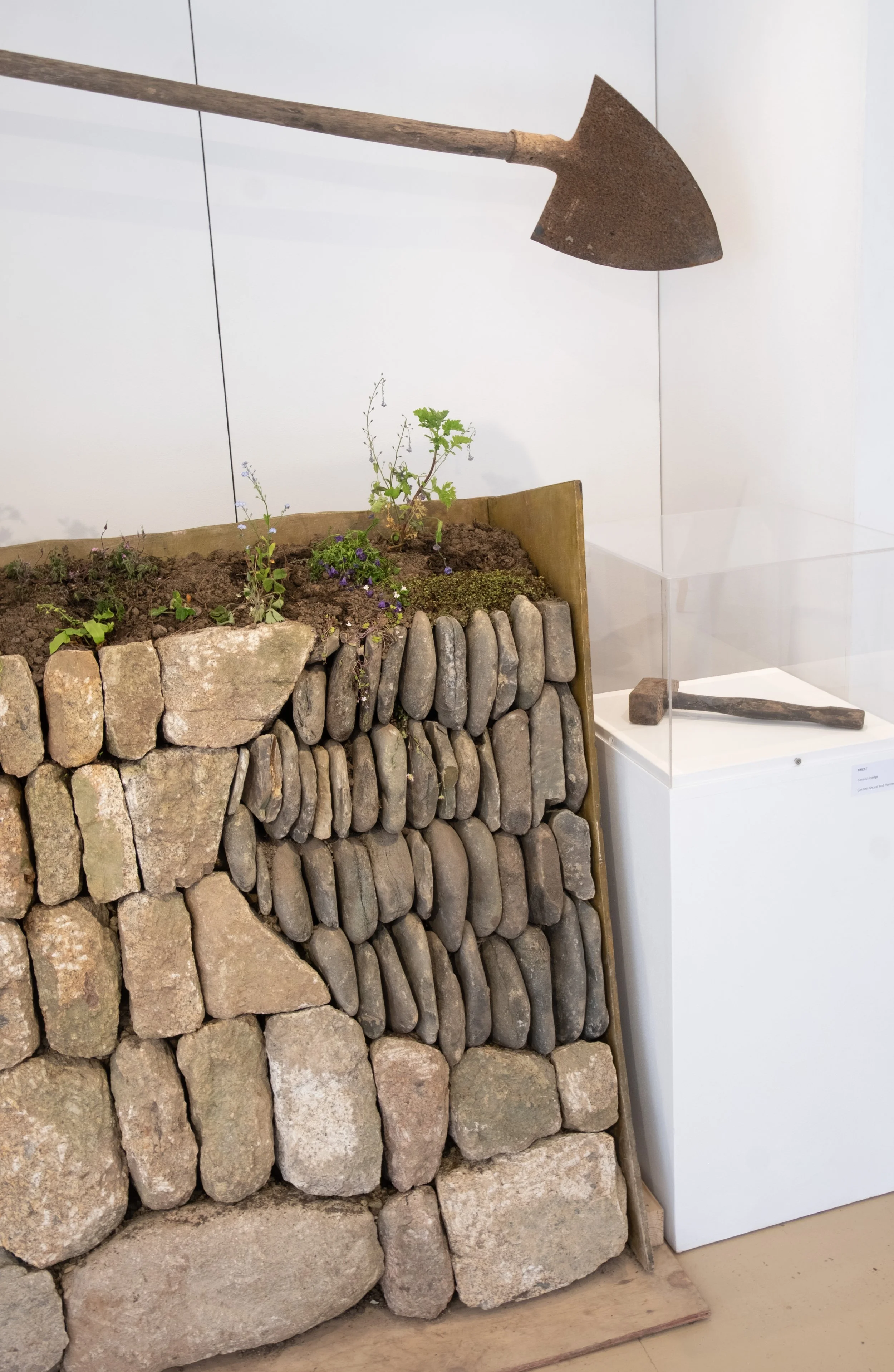
CORNISH HEDGING
Cornwall Rural Education and Skills Trust CIO (CREST) was formed by Cornish hedgers to address the increasing concern regarding their craft in Cornwall. It had been recognised for some time that there were too few hedgers to meet the demand for work, with two high profile projects highlighting just how desperately the skills were needed at the beginning of 2023. Their mission is “to protect, promote and preserve rural crafts, countryside skills and land-based education to support the heritage of our Cornish landscape and the people living, working and caring for this land.
Through craft and nature, we find a connection to our community and to the place in which we live – creating intelligent hands, working with the seasons, nurturing a sense of belonging in the landscape and fostering a love of the land and its incredible natural resources.”
CREST offer training in the practical skills of Cornish Hedging through LANTRA’s Customised Provision programme from an introductory course through to an Advanced Certificate. They also deliver workshops, talks and events around the importance of Cornish Hedges and their significance in the landscape, history and culture.
Greg Rowland
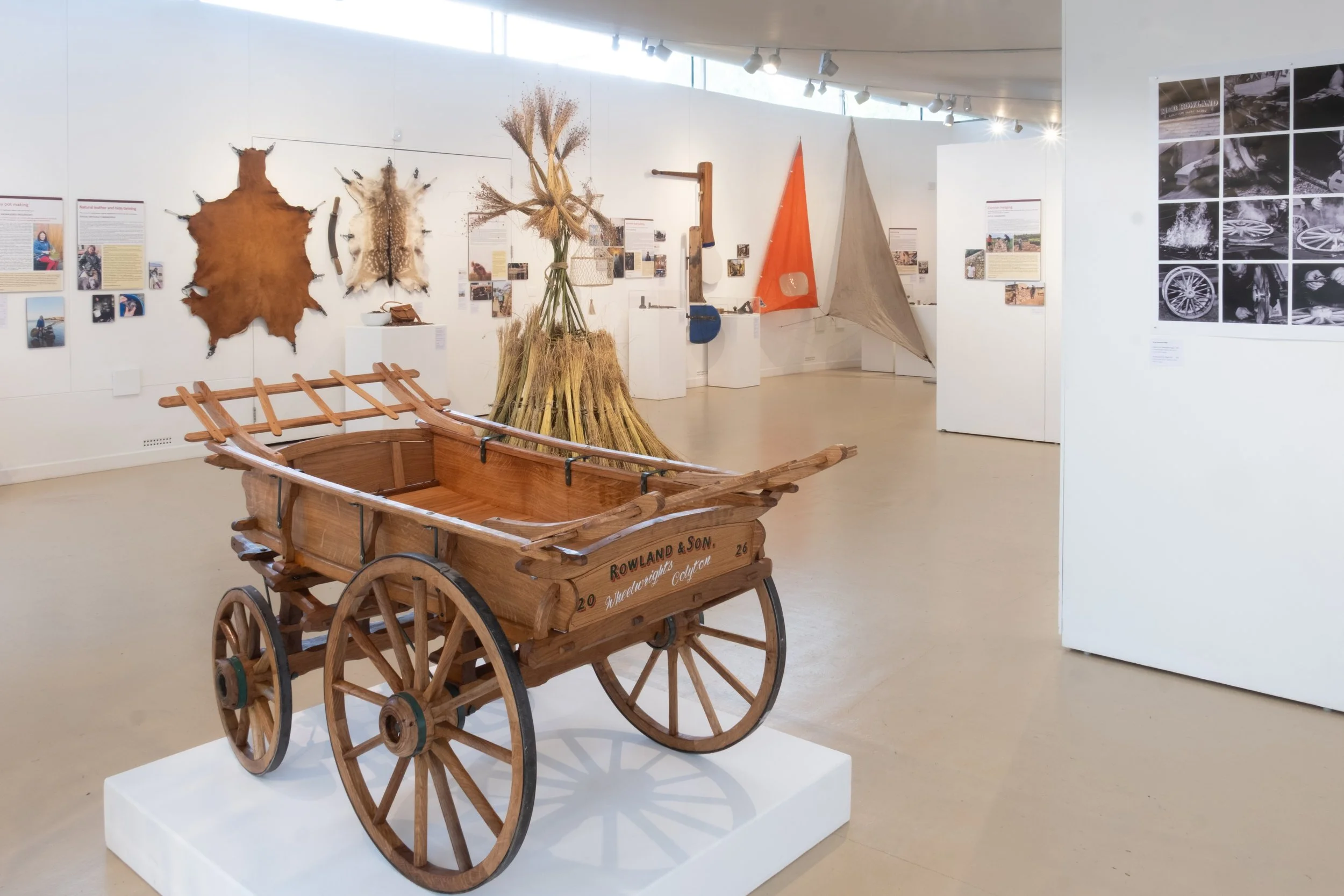
WHEELWRIGHTING
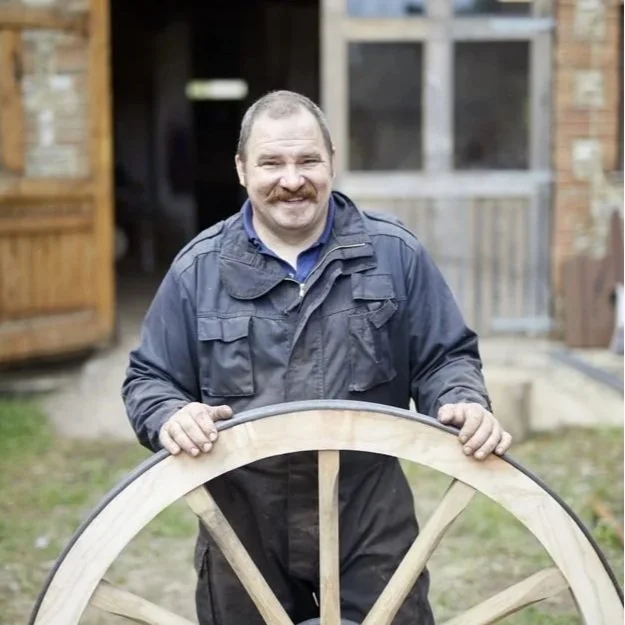
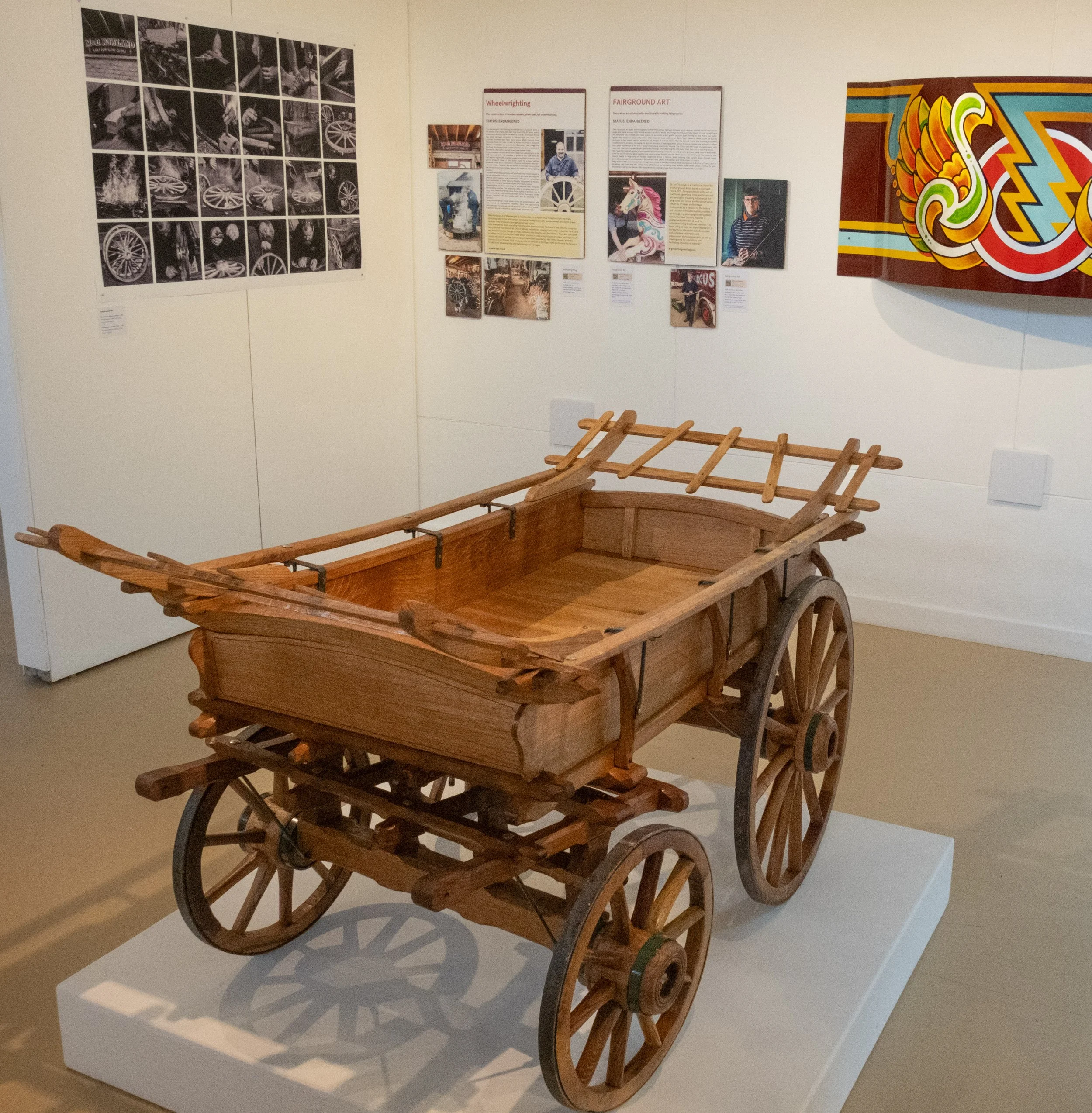
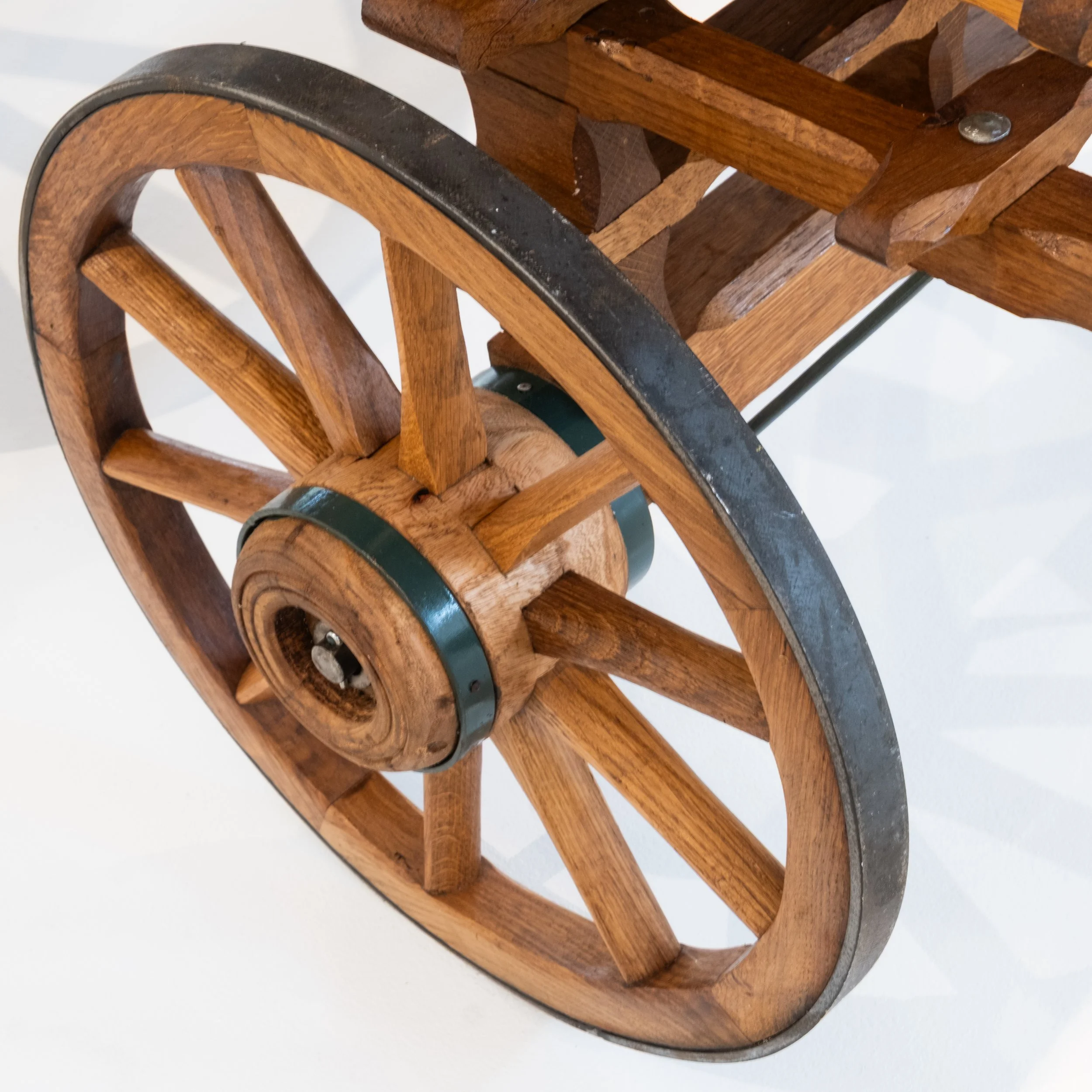
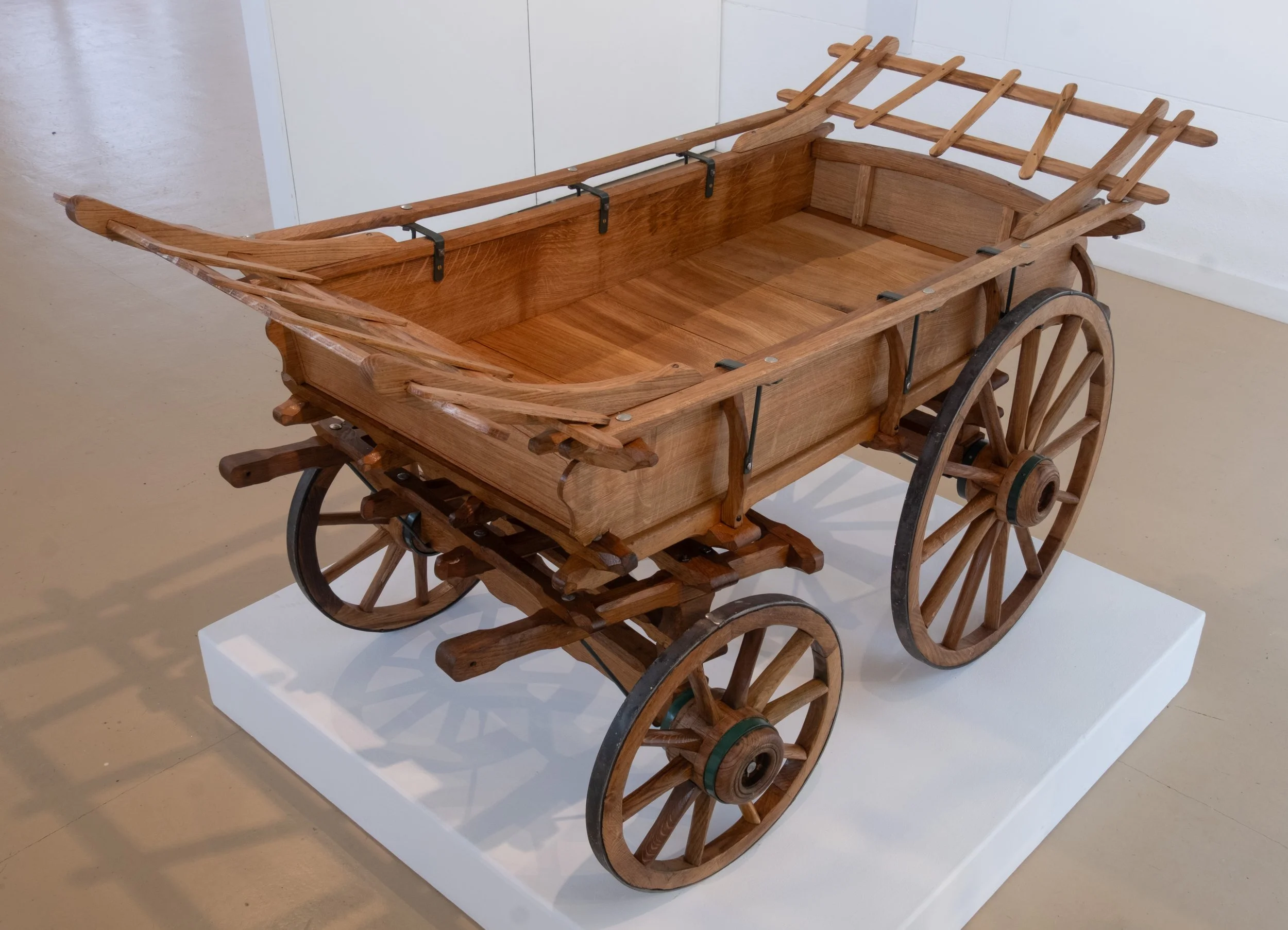
Mike Rowland & Son Wheelwrights & Coachbuilders in Colyton has a family history in the trade stretching back to the 14th century, producing the highest quality wooden wheels and horse drawn vehicles. They produce on average 200 wheels a year.
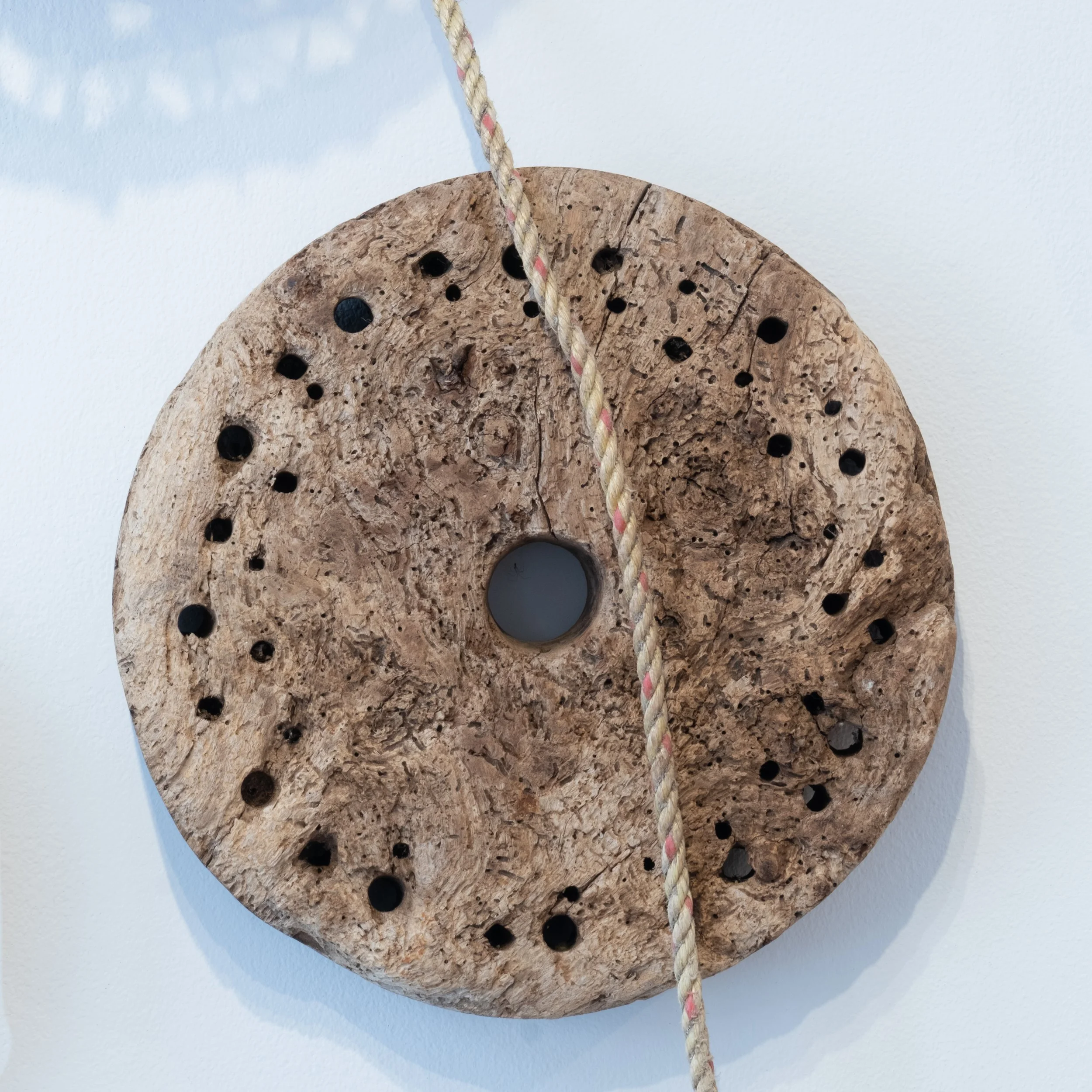
Mike Rowland has been operating from the same premises since 1964, and in that time the company has produced and restored all kinds of wheels and vehicles, ranging from roman trebuchet, farm carts and wooden bicycles through to royal, state and road coaches and fine vehicles. They also specialise in military wheel manufacture, made where possible to original techniques and plans, and repair and restore all kinds of wooden cannon. Greg Rowland was awarded an MBE in the Queen’s Birthday Honours List on 1st June 2022, recognised for his services to heritage crafts, particularly for his work in traditional wheelwrighting and maintaining royal carriages.
Jessie Watson Brown
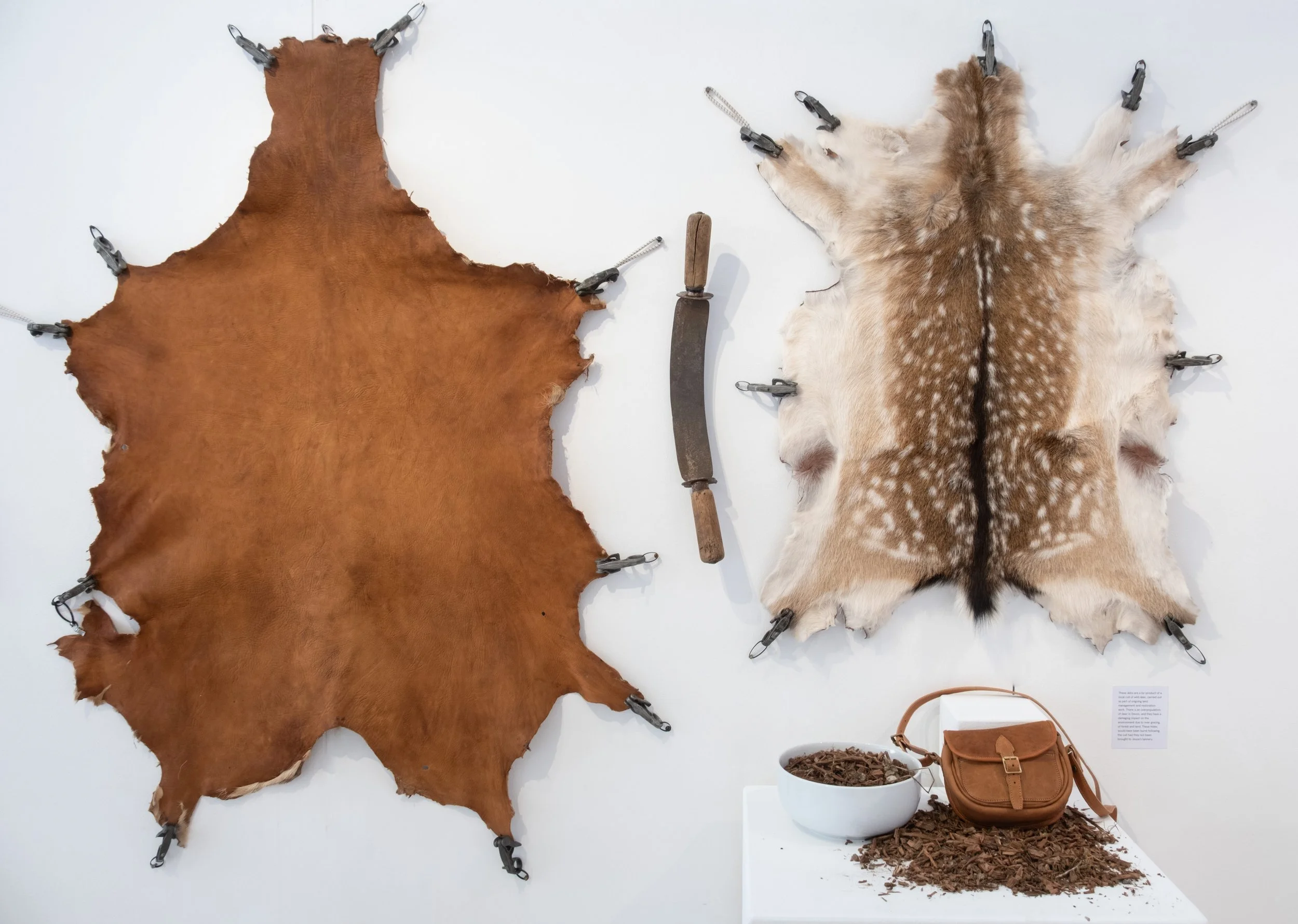
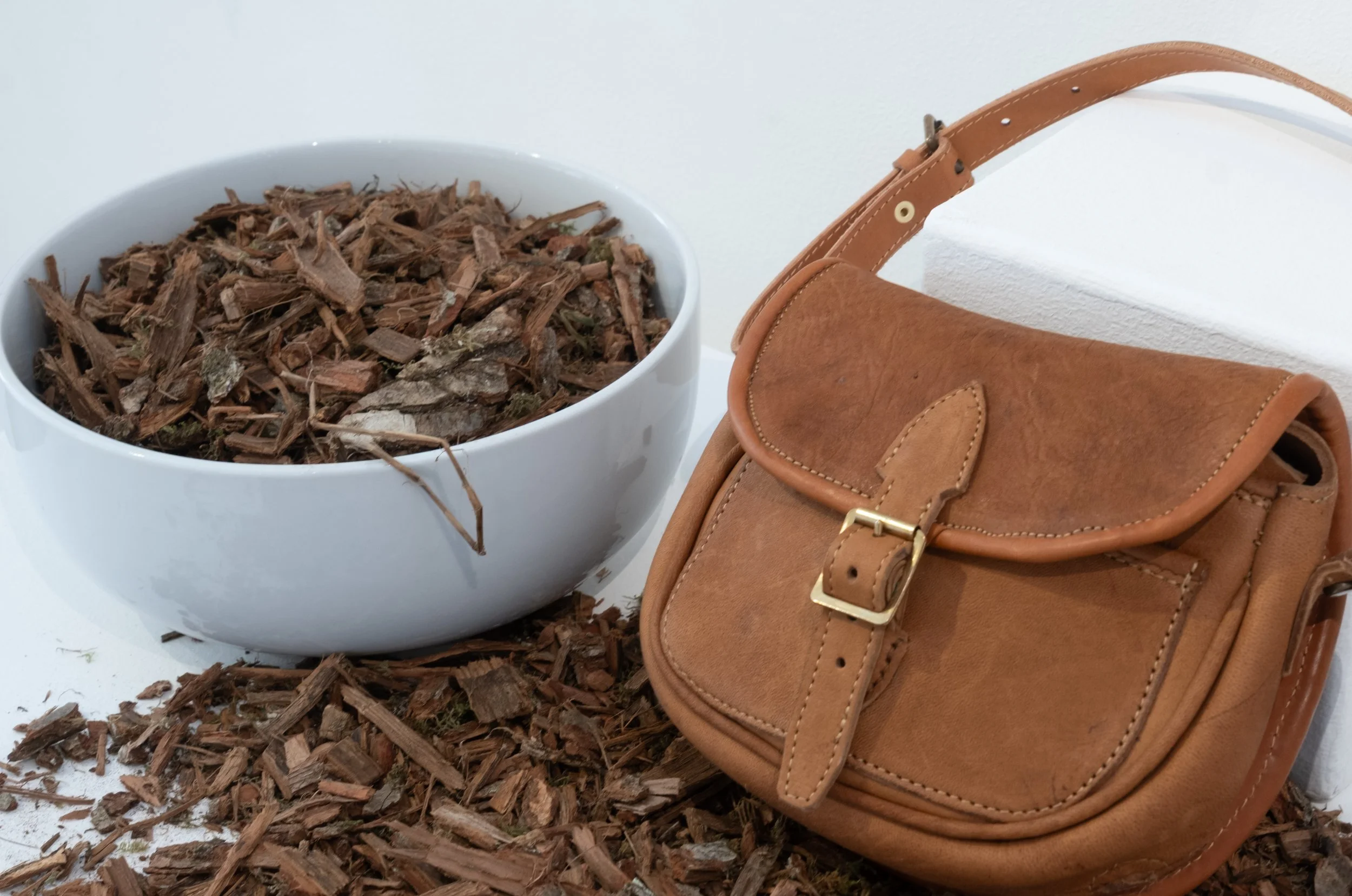
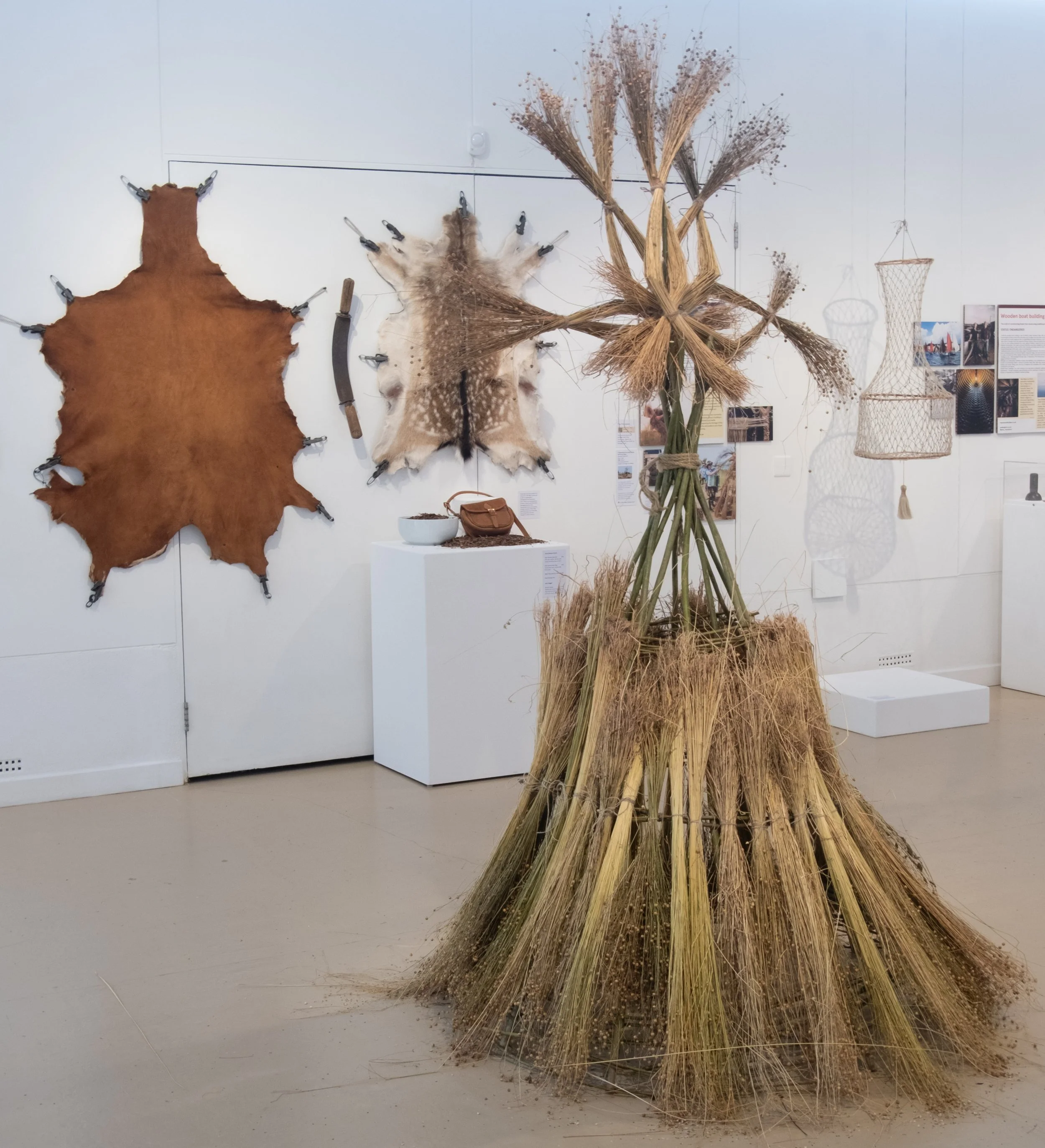
NATURAL LEATHER & HIDE TANNING
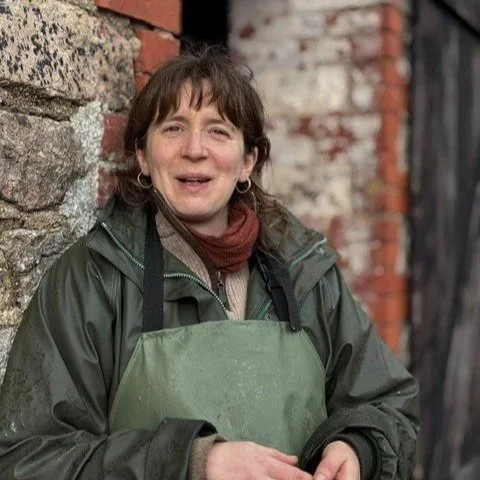
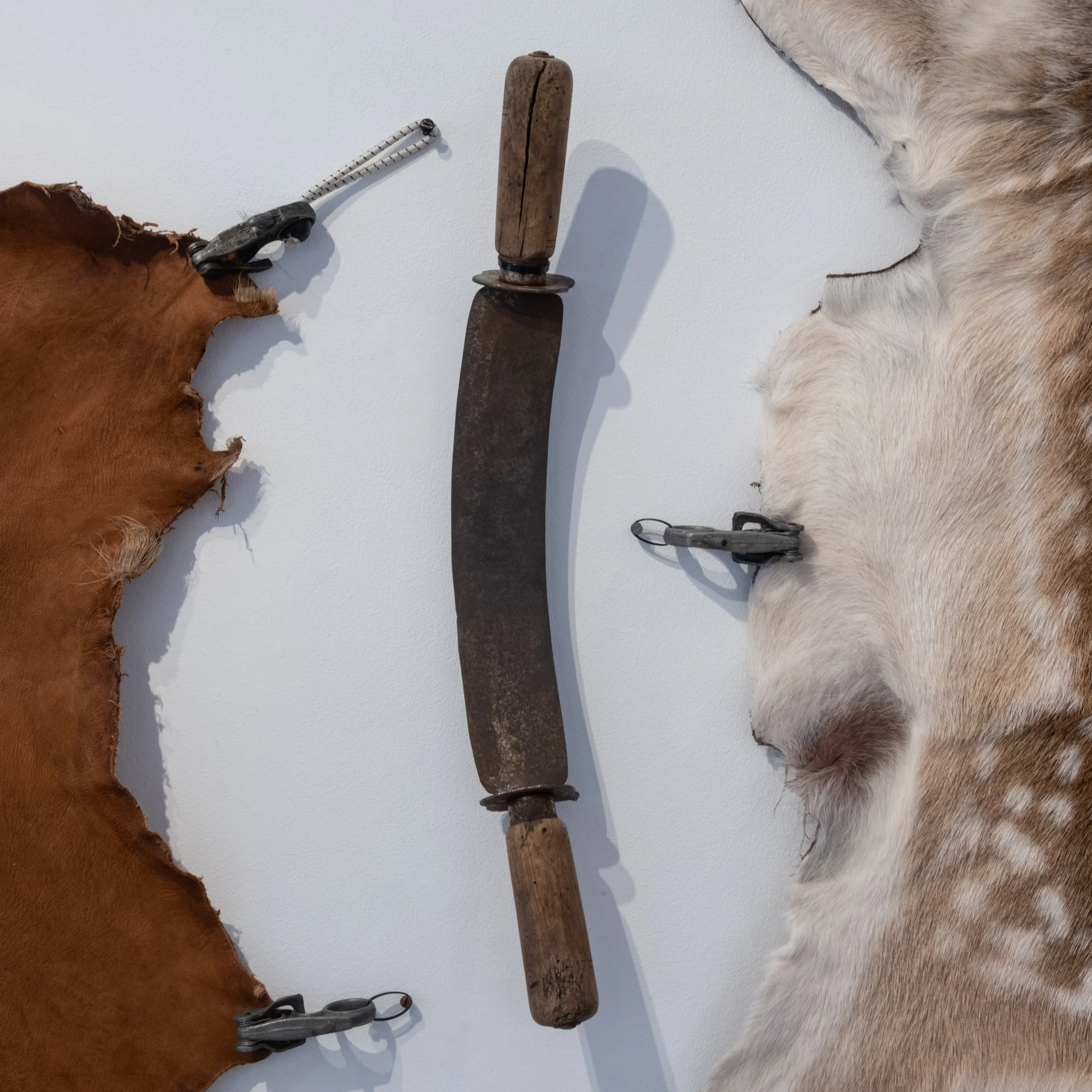
Jessie Watson Brown‘s tannery is dedicated to natural tanning and traditional techniques:
“The tanning processes I practice use only natural ingredients – locally harvested tree barks such as oak and spruce, and softened with oils.
I tan and sell leather and rawhide as well as unique leather handcrafts. We also intend to demystify the art of tanning by teaching courses, using simple methods and tools. This is how I was taught and how we still practise.” Jessie learnt tanning in Washington State in America and more recently from traditional tanners in Scandinavia. She practices on a farm on Dartmoor, and has recently taken on an apprentice, Oli. Due to the scale of her setup she is able to work on smaller hides and unusual commissions. The day I visit she is working on mink hides that had been sent in by an East Anglian conservation programme.
“I love the discovery of learning how different skins and processes work and seeing the alchemical change that they go through during the tanning process. I would love to see tanning become normal in people’s homesteads, as it once would have been.
I mostly tan wild deer skins - most of which would be disposed of by burning, while the majority of the UK's domestic animal skins get exported to other countries or tanned in chemically intensive commercial tanneries.”
John Williamson
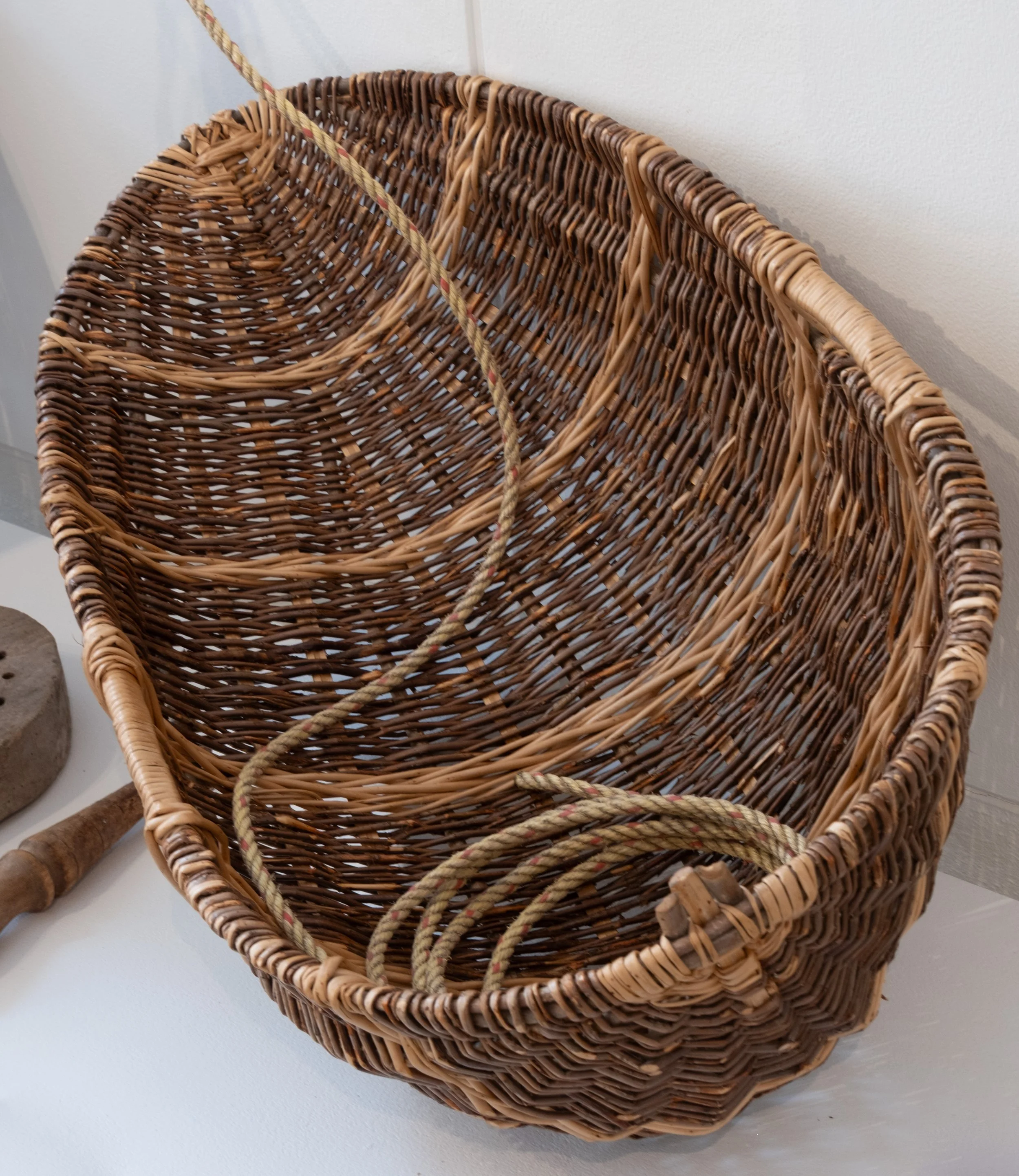
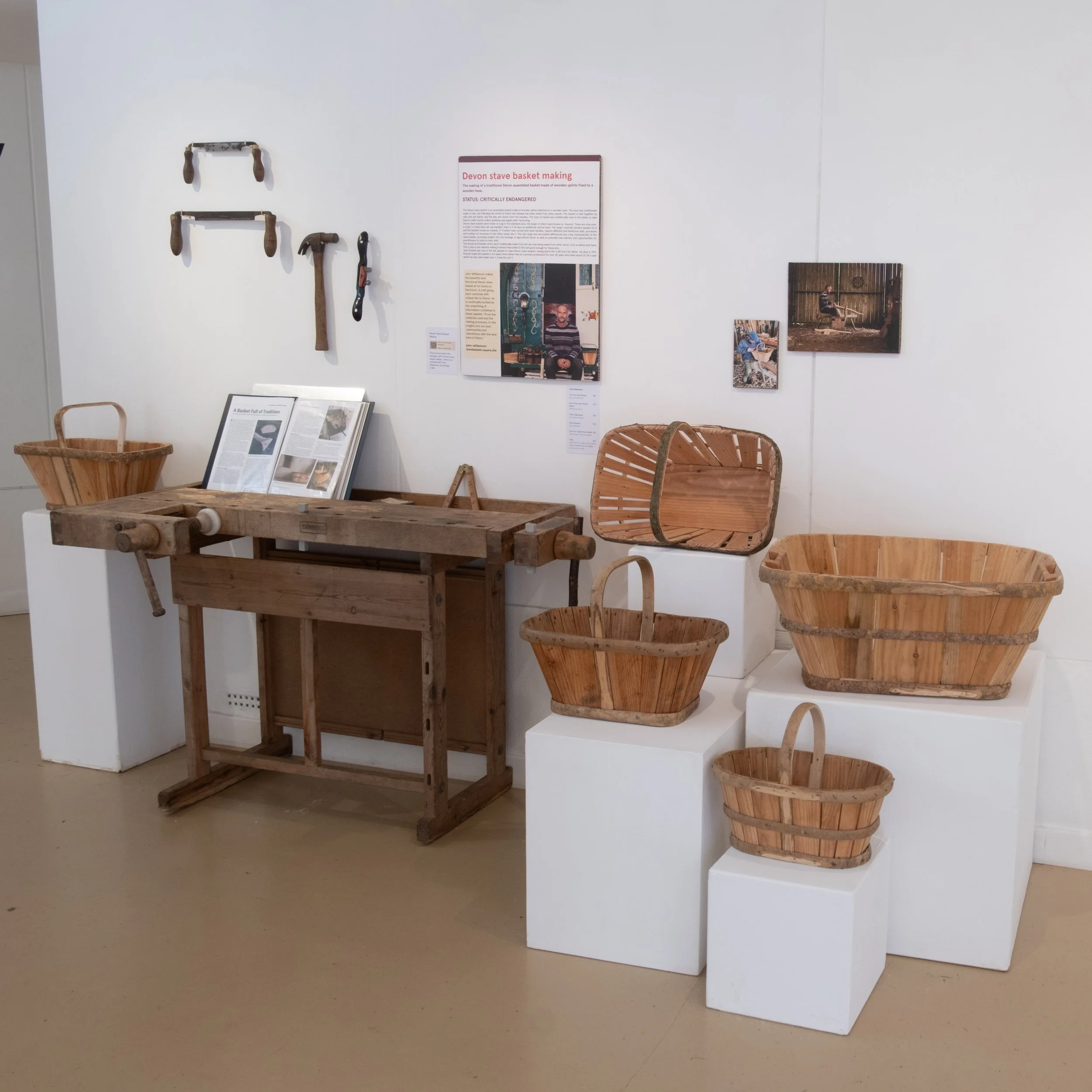
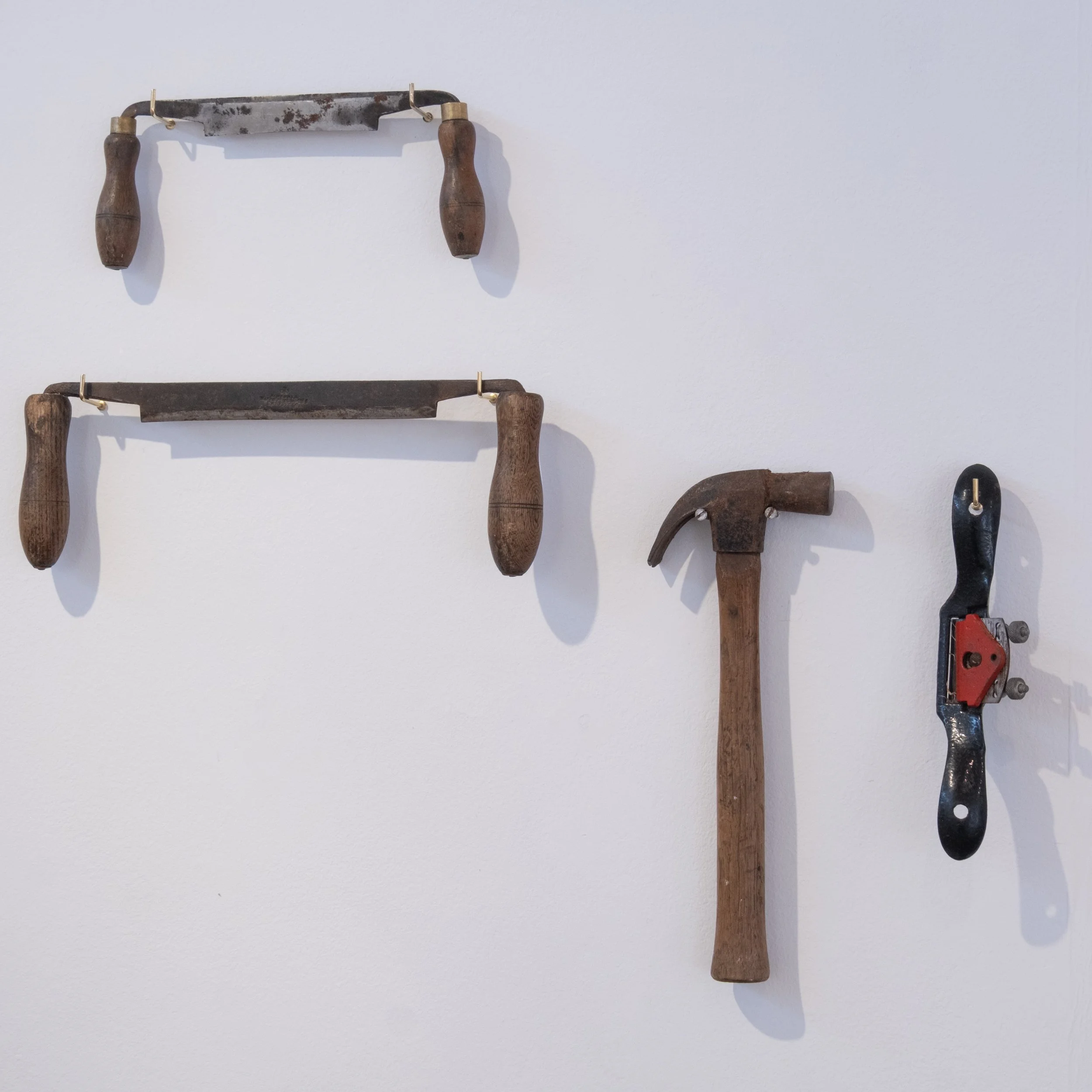
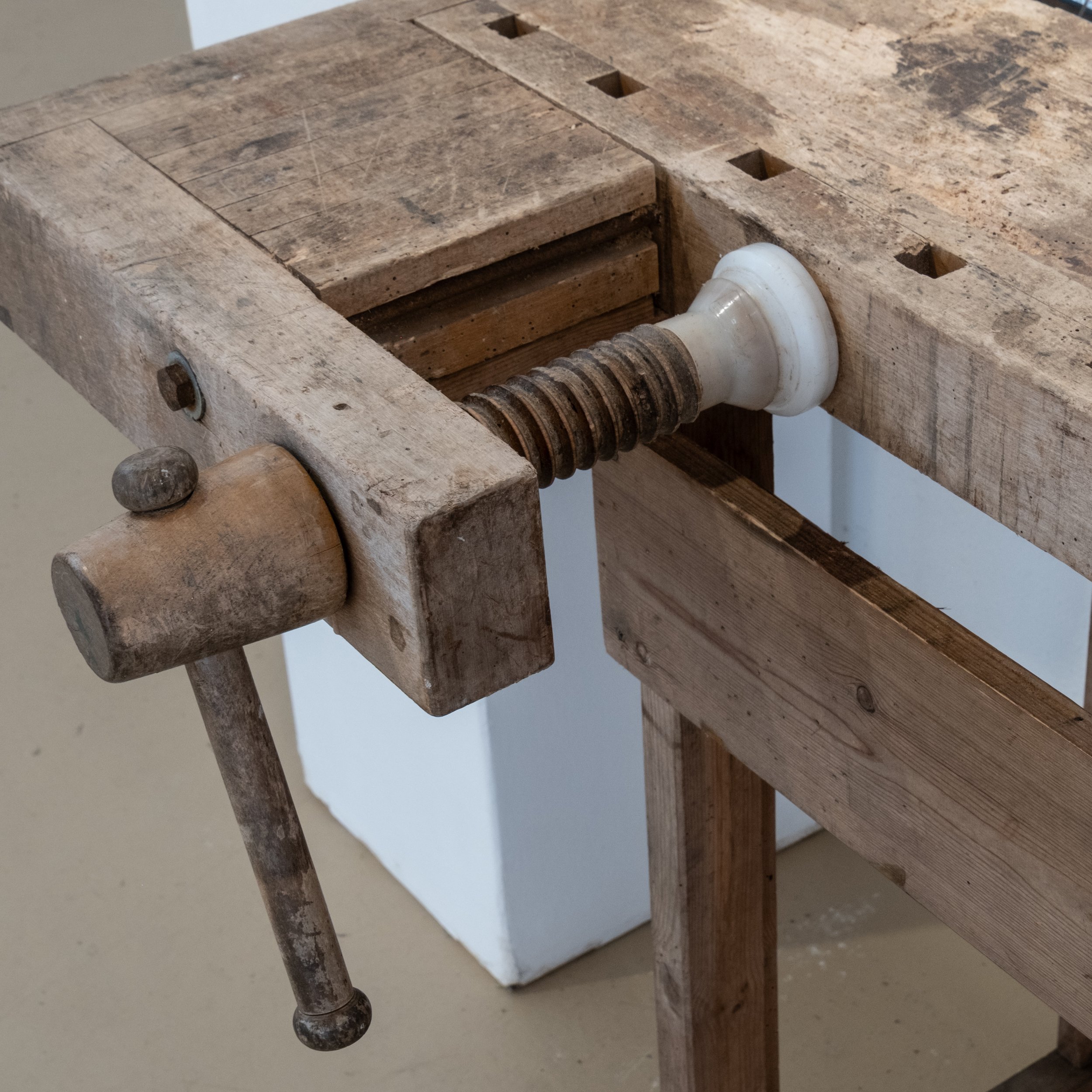
DEVON STAVE BASKET MAKING
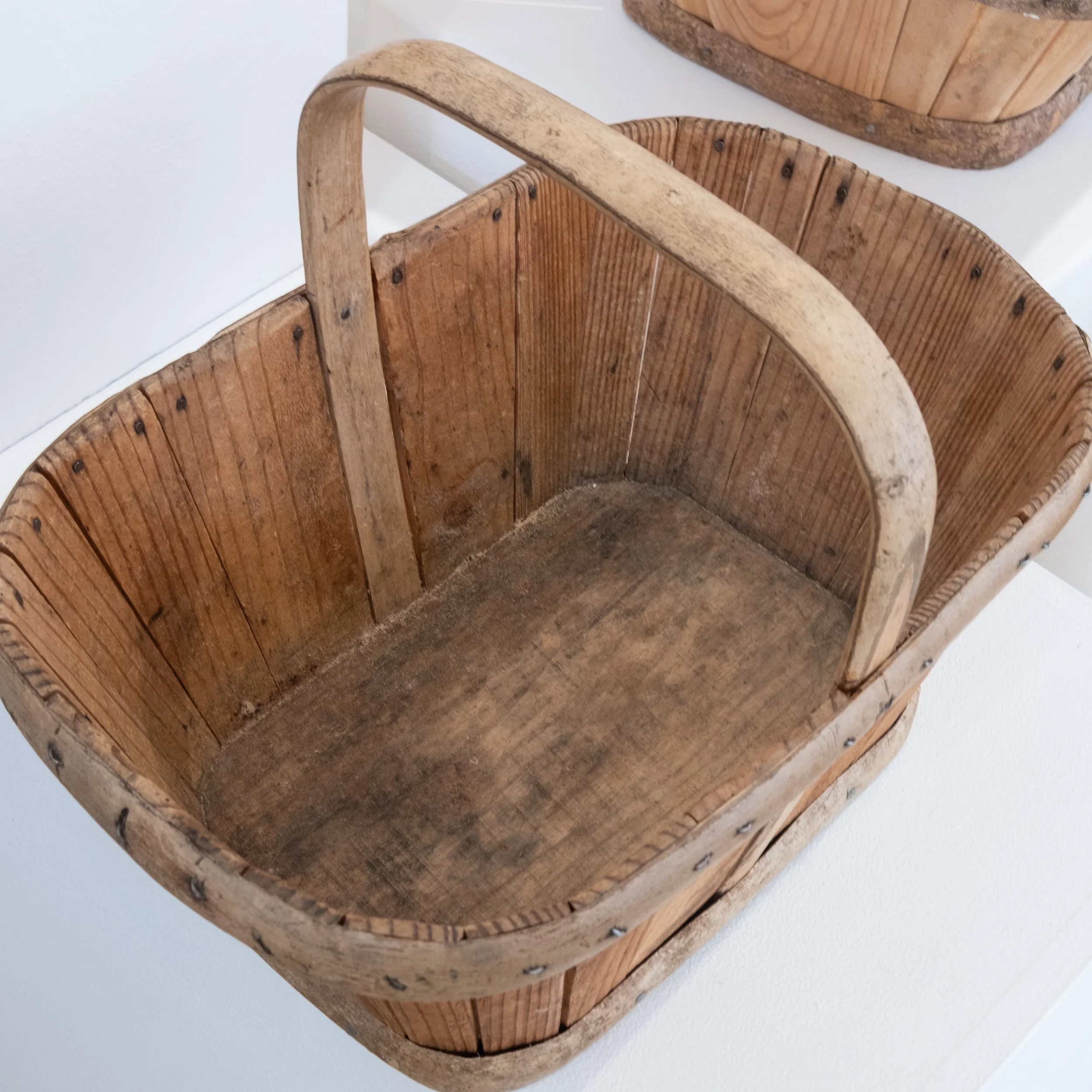
John Williamson makes the beautiful and functional Devon stave basket at his home on Dartmoor. A craft going back centuries with unique ties to Devon, he is continually excited by the unearthing of information contained in these baskets: “From the materials used and the making processes, to the insights into our past, communities and interactions with the land here in Devon. ”
Photo credit: Jon Cardwell
Nicholas Jarvis (and Pauline Cochrane)
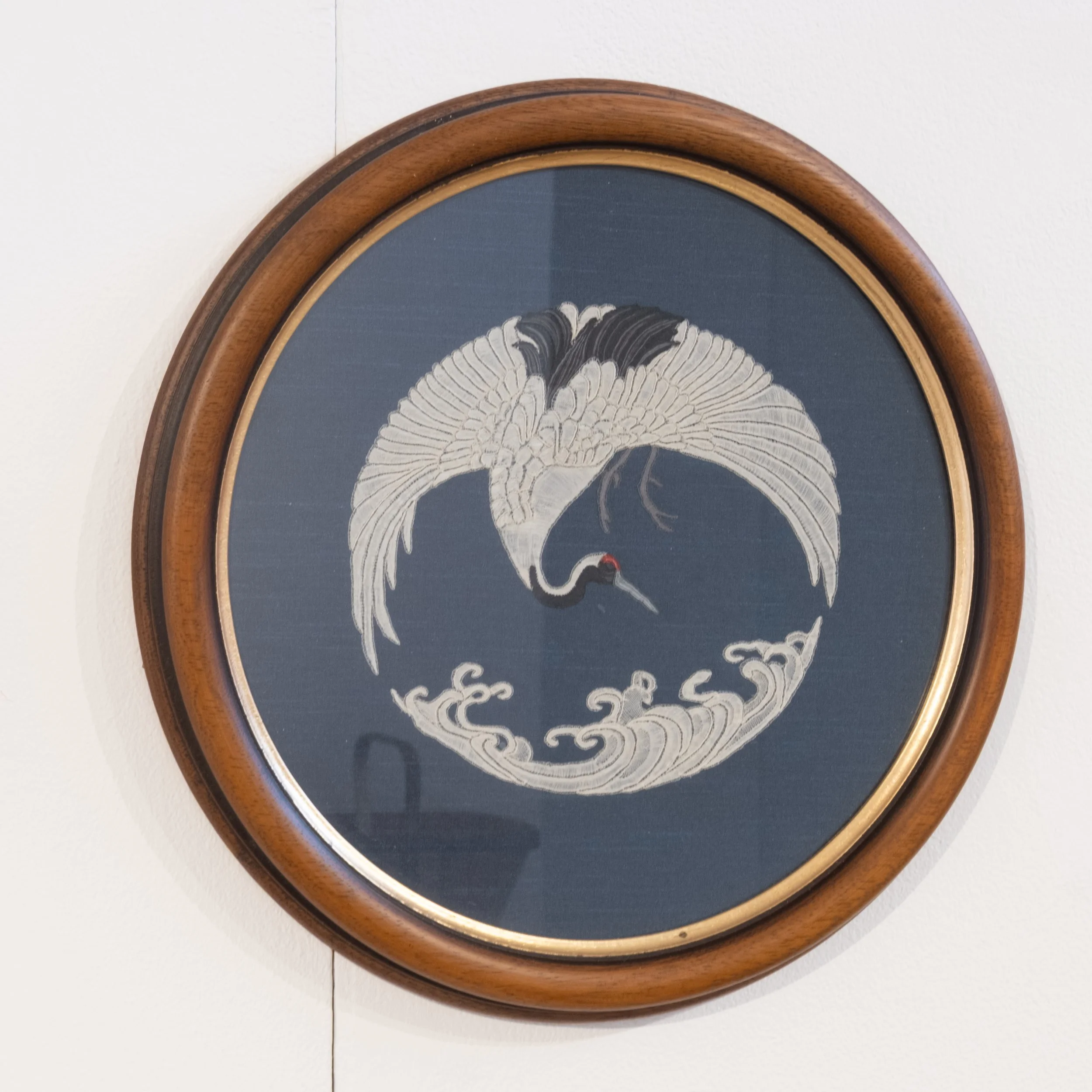
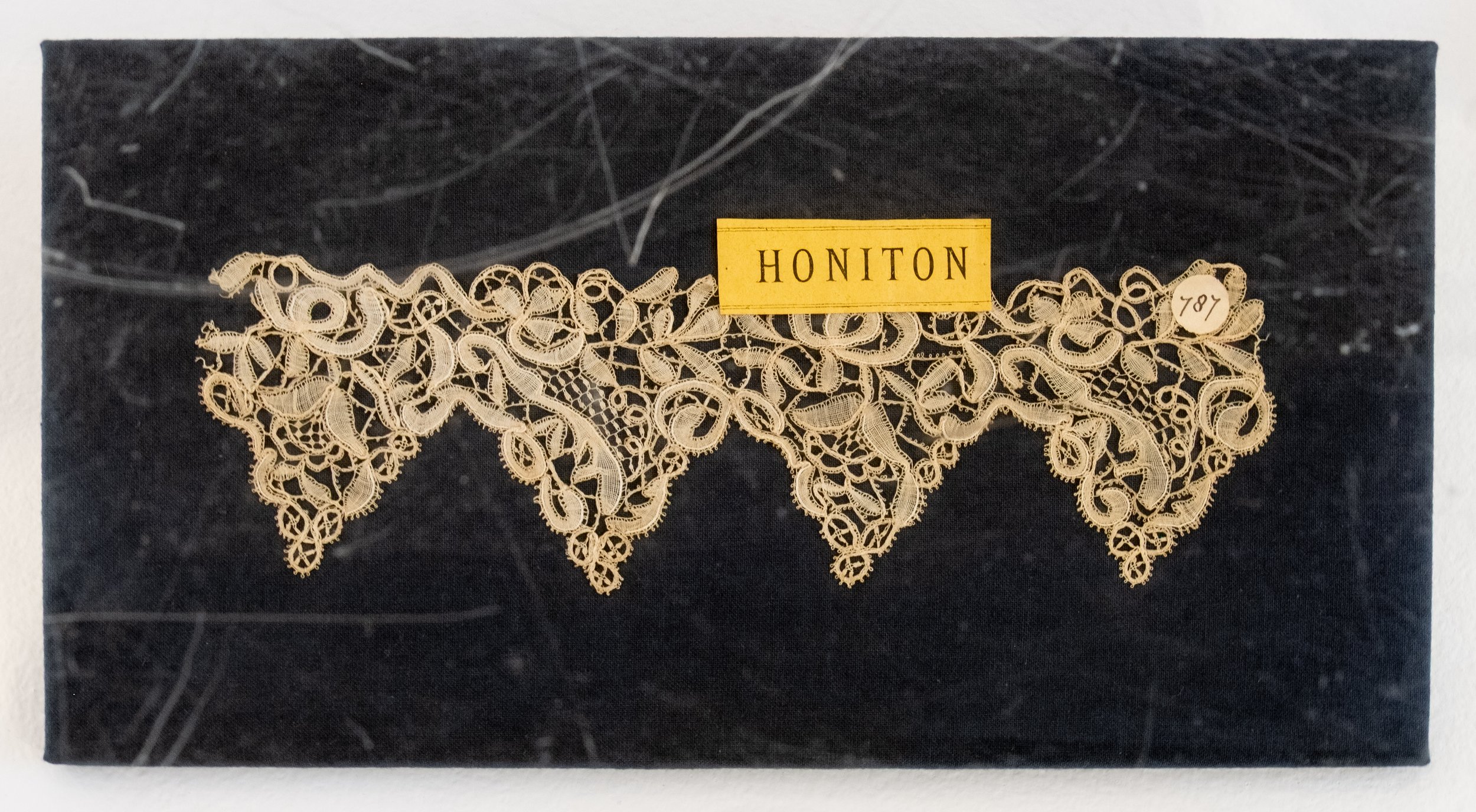
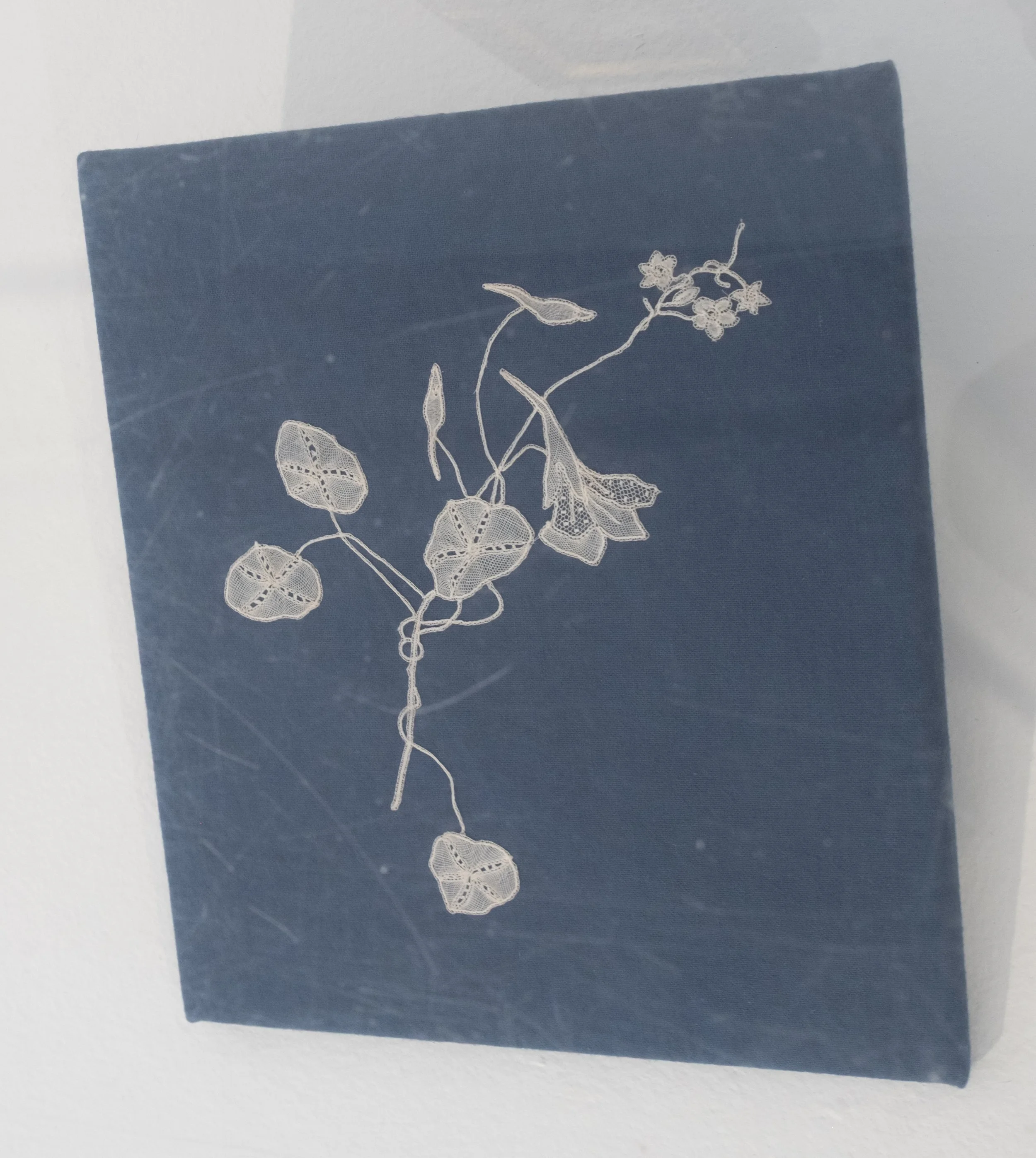
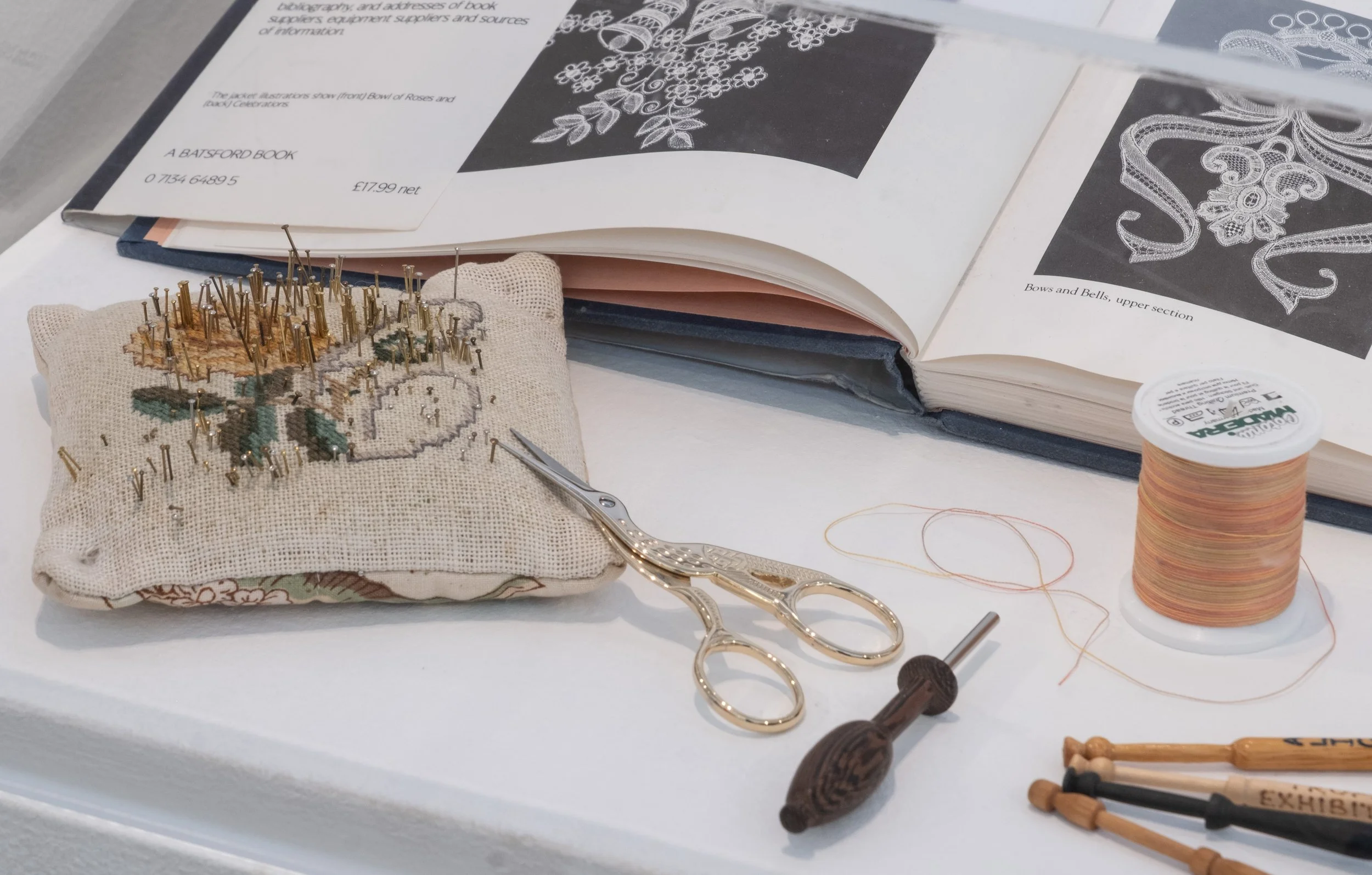
BOBBIN LACE MAKING
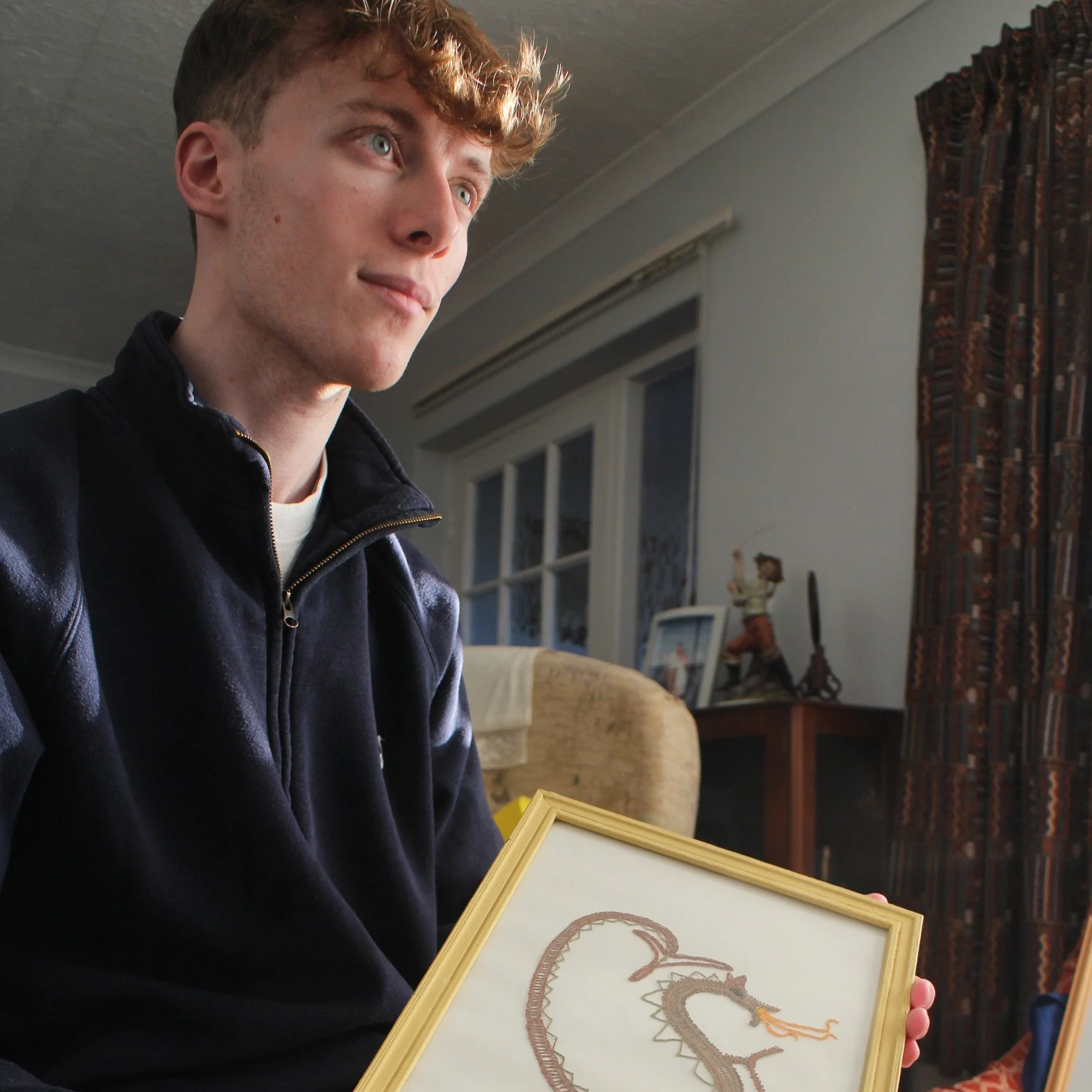
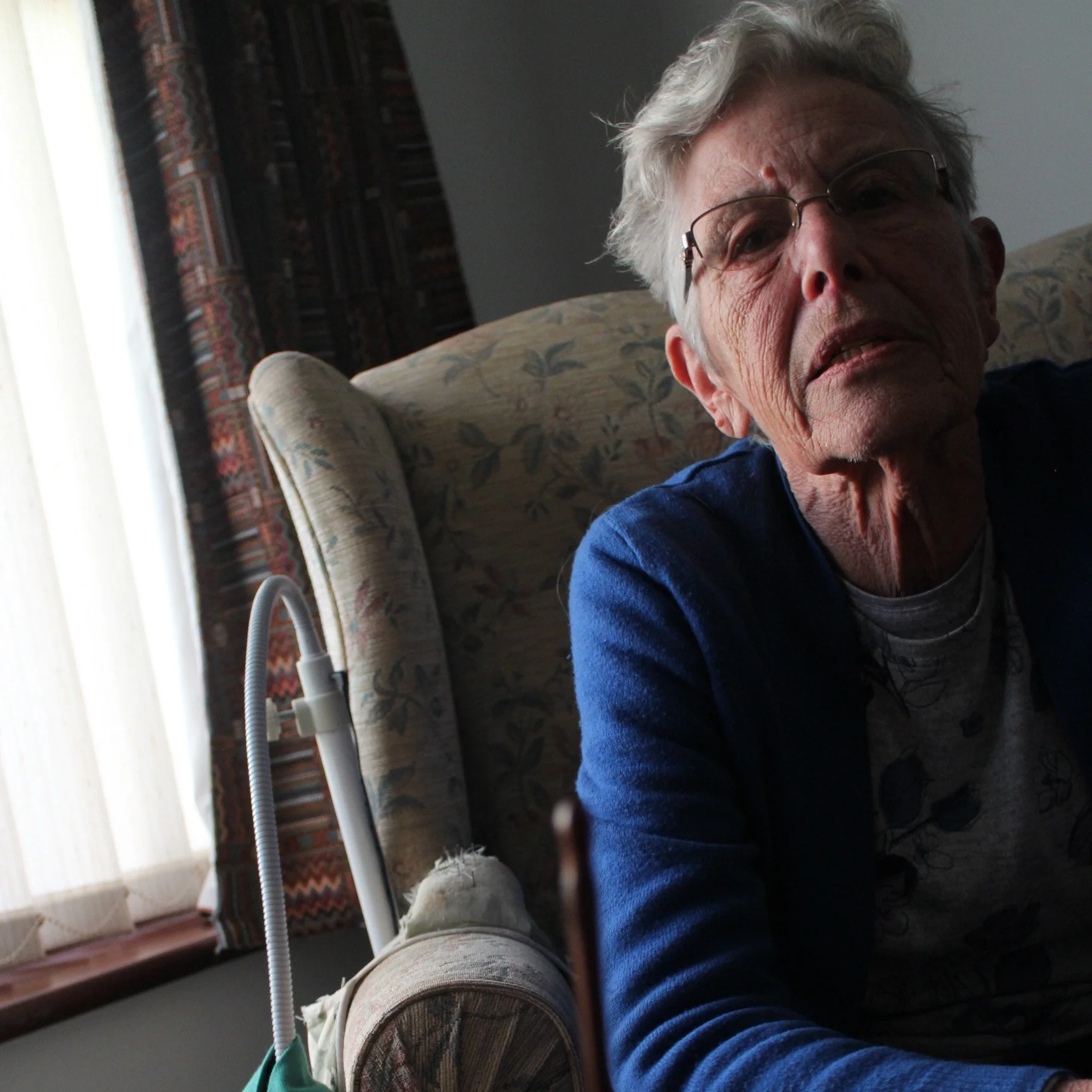
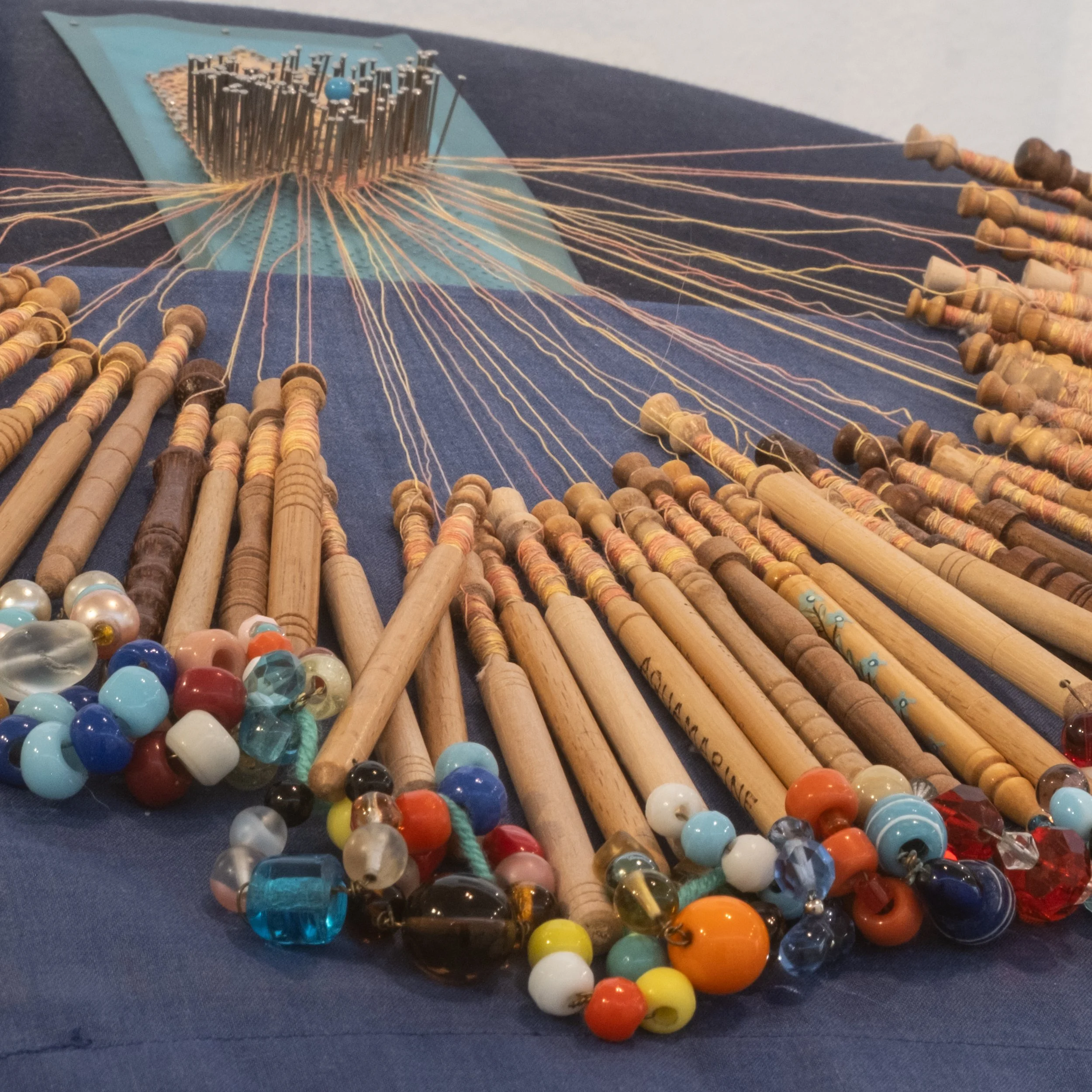
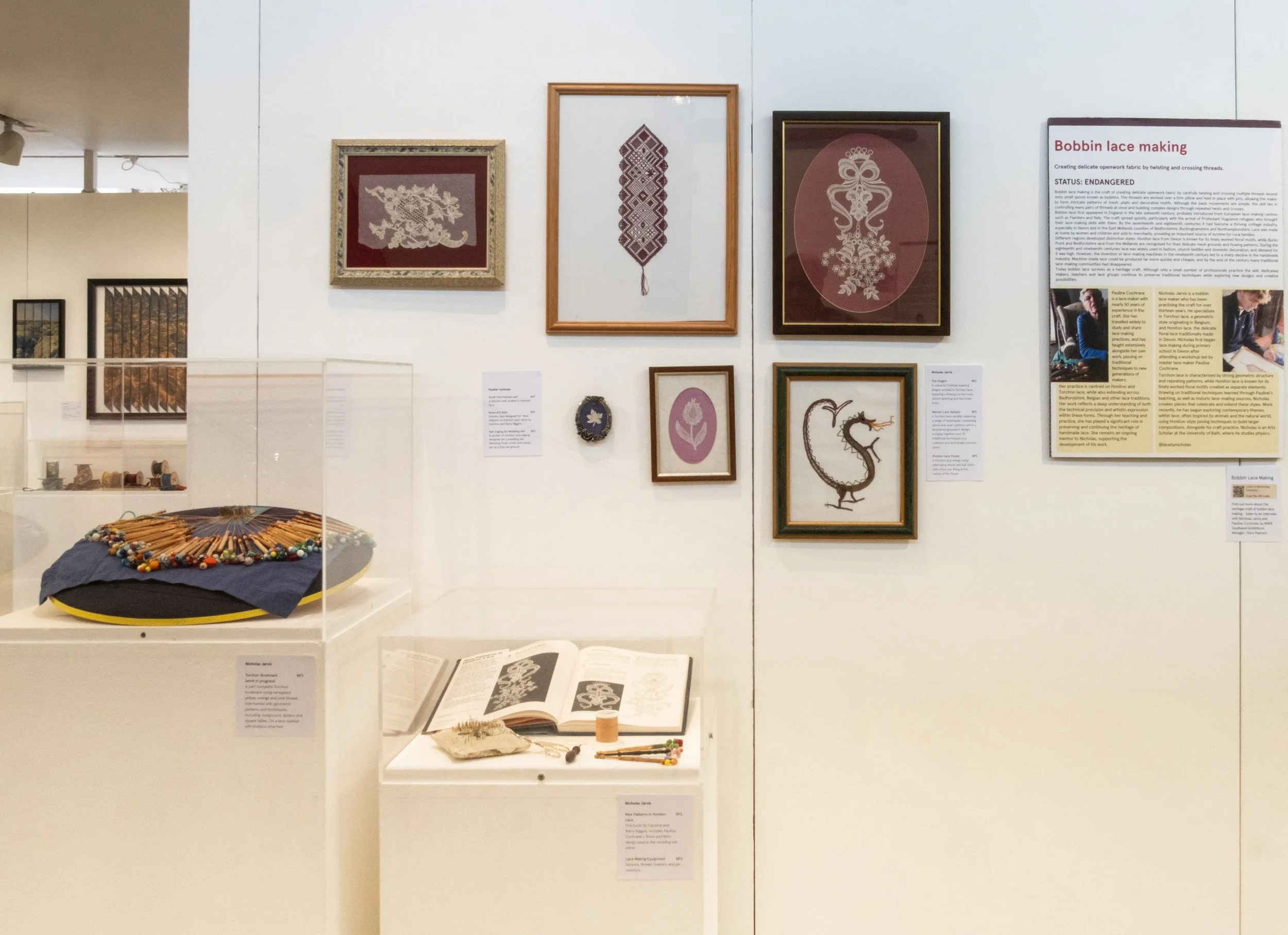
cholas Jarvis is a bobbin lace maker who has been practising the craft for over thirteen years. He specialises in Torchon lace, a geometric style originating in Belgium, and Honiton lace, the delicate floral lace traditionally made in Devon. Nicholas first began lace making during primary school in Devon after attending a workshop led by lace maker Pauline Cochrane, who has continued to guide and teach him ever since.
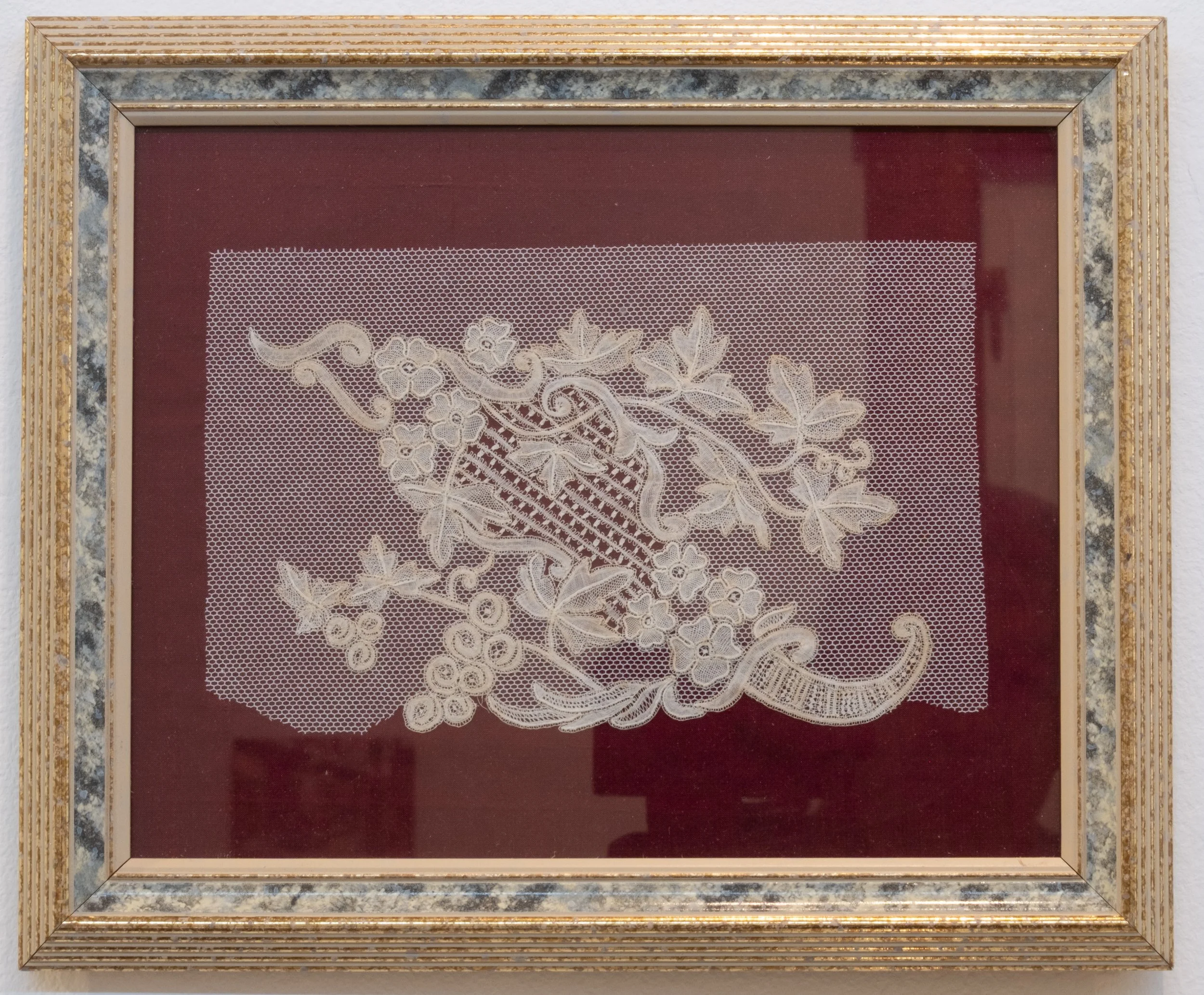
His work explores the distinctive qualities of these two traditions. Torchon lace is characterised by strong geometric structure and repeating patterns, while Honiton lace is known for its finely worked floral motifs created as separate elements. Drawing on traditional techniques learned through Pauline’s teaching and historic lace-making books, Nicholas creates pieces that celebrate these historic styles.
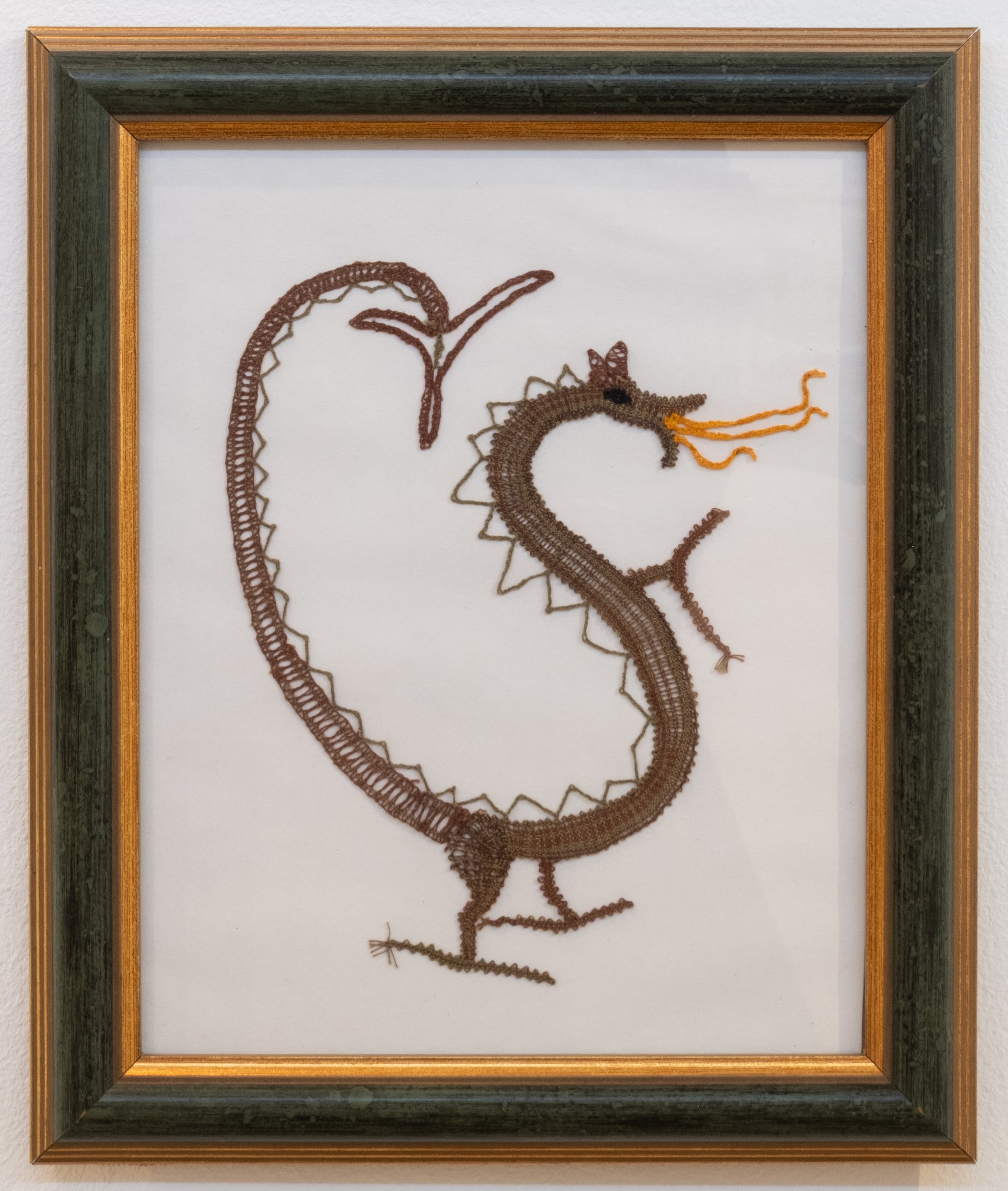
More recently he has begun exploring contemporary themes within lace, often inspired by animals and the natural world. In these works he sometimes uses Honiton-style joining techniques, using a crochet hook to connect individual lace elements and build larger compositions. Alongside his craft practice, Nicholas is an Arts Scholar at the University of Bath, where he studies physics.
Robert Ely Papilionaceous
SILK RIBBON MAKING
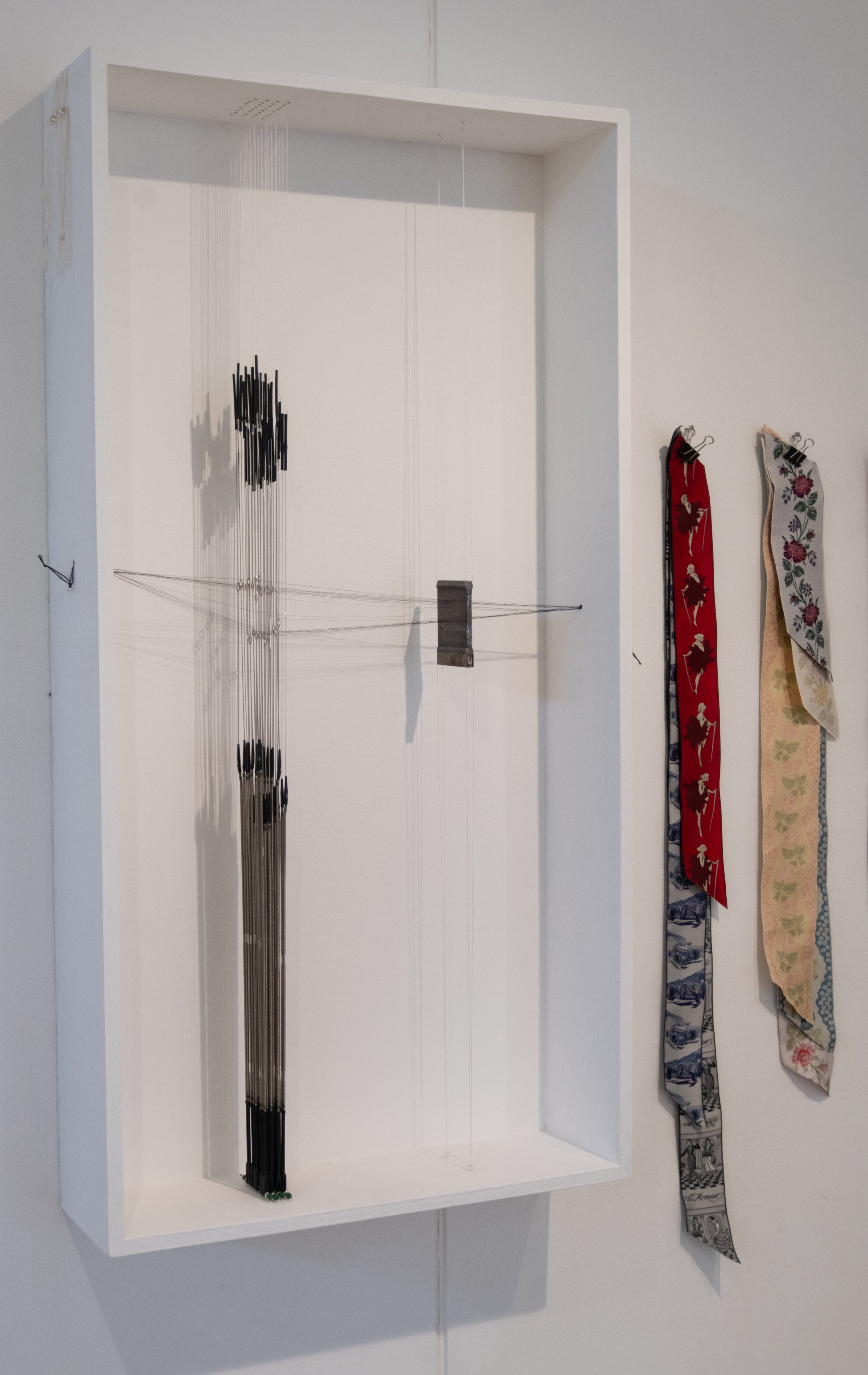
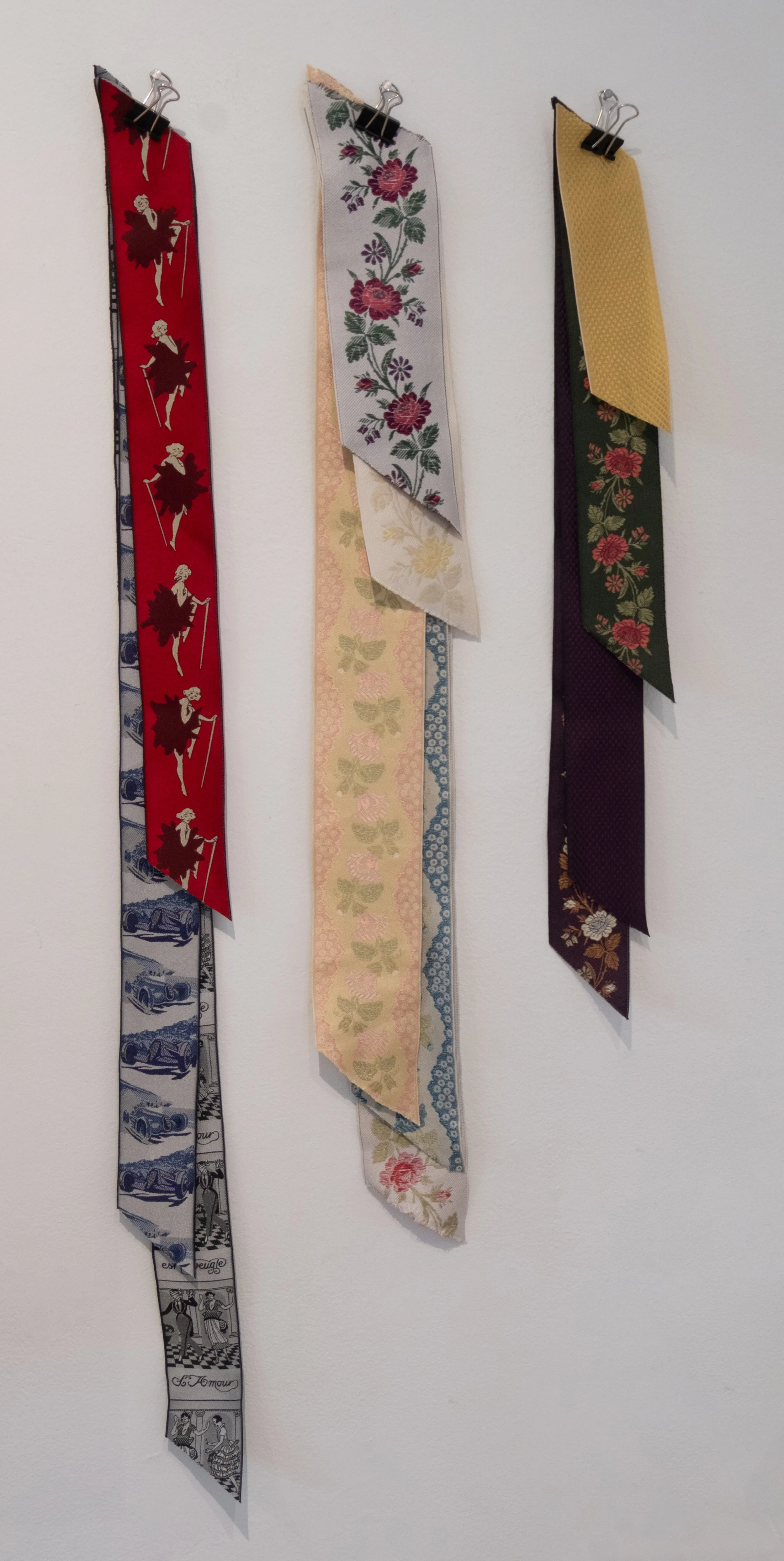
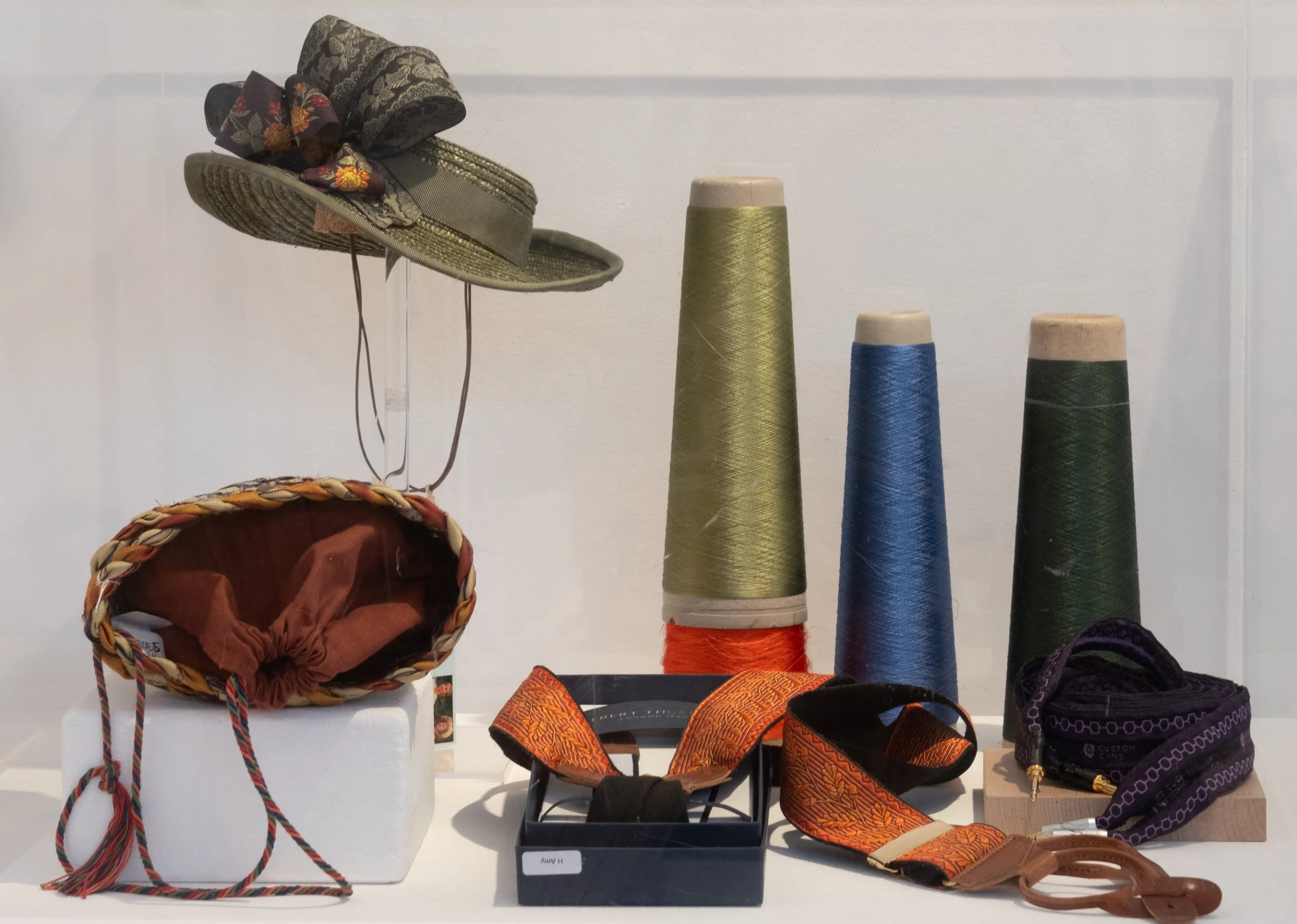
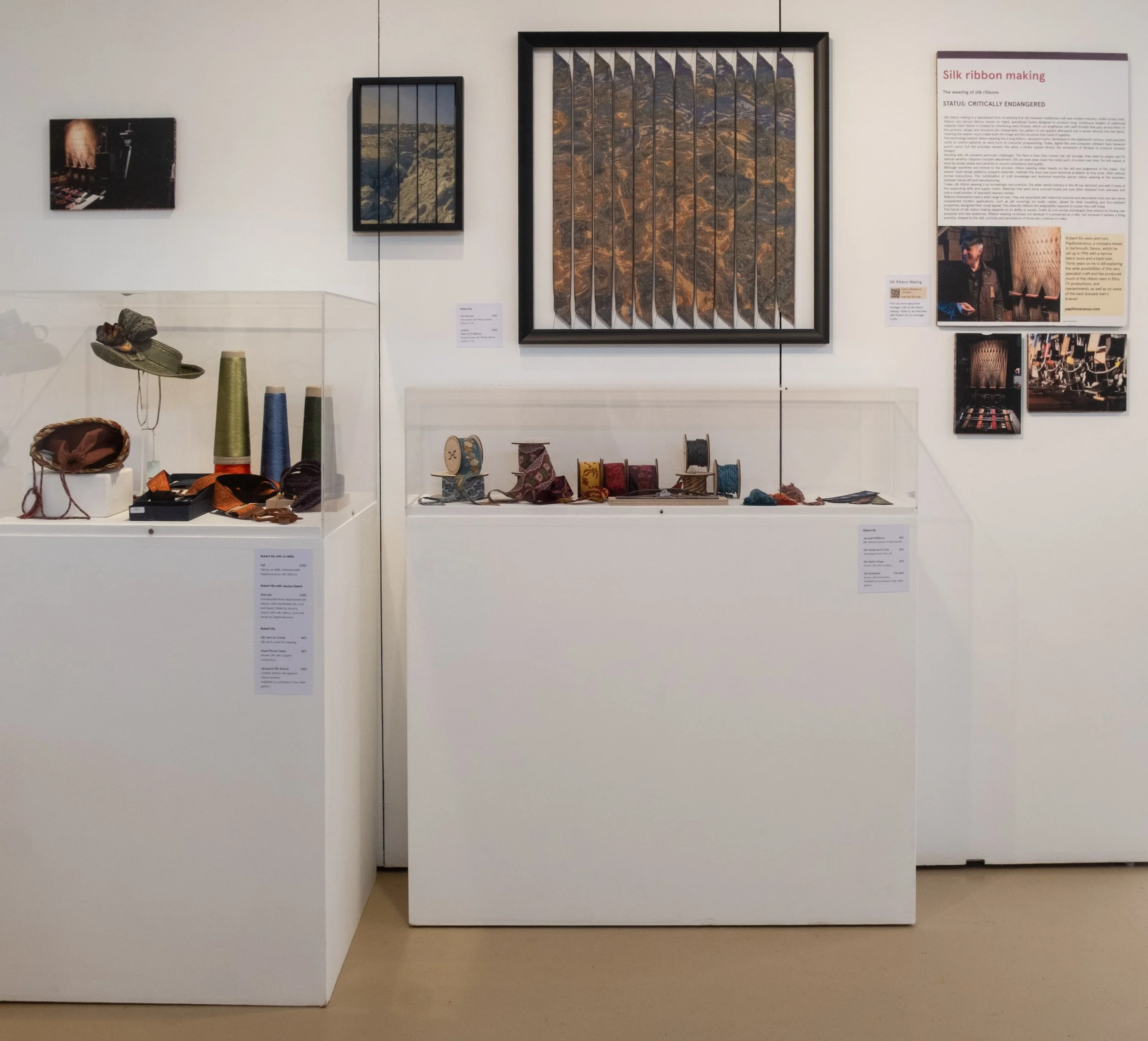
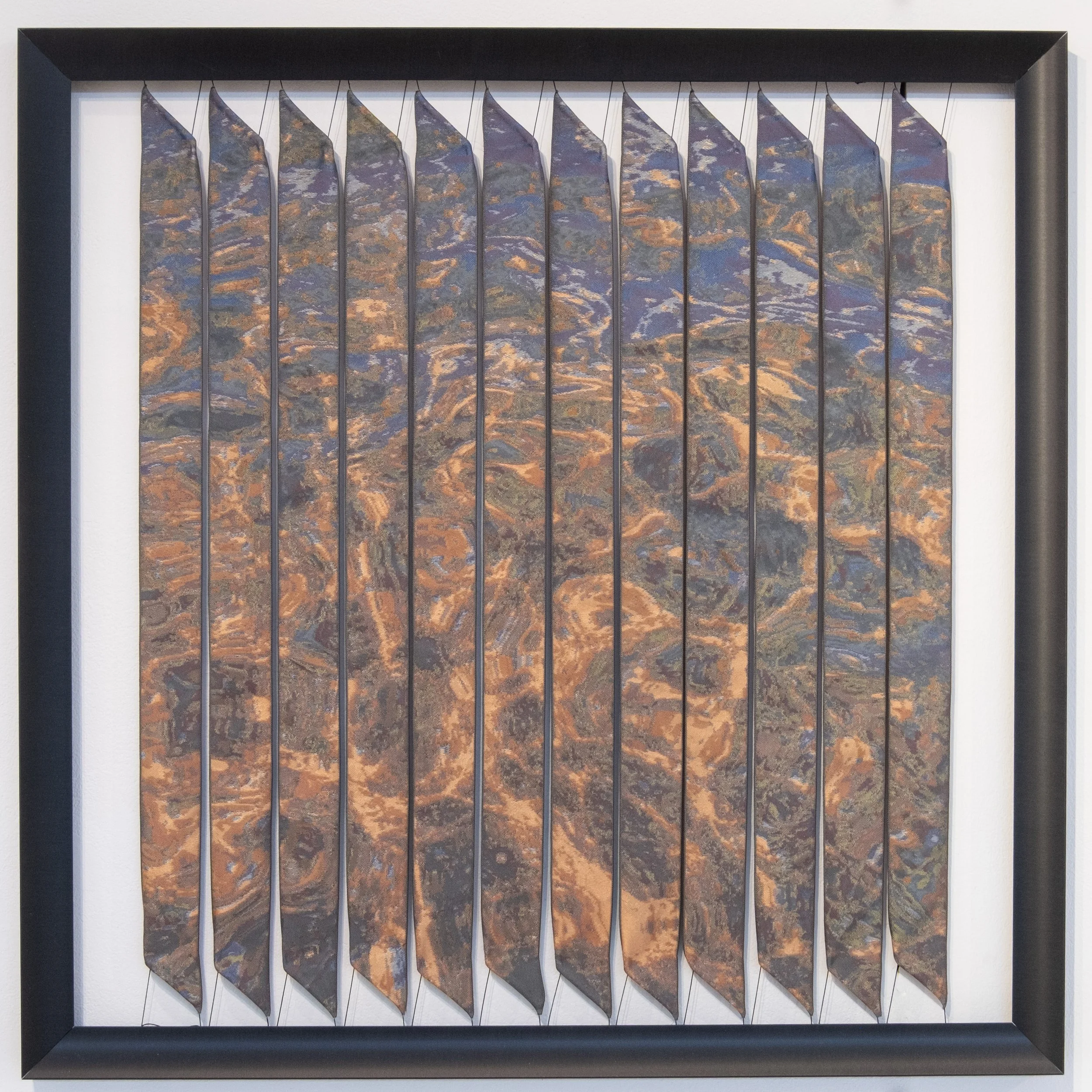
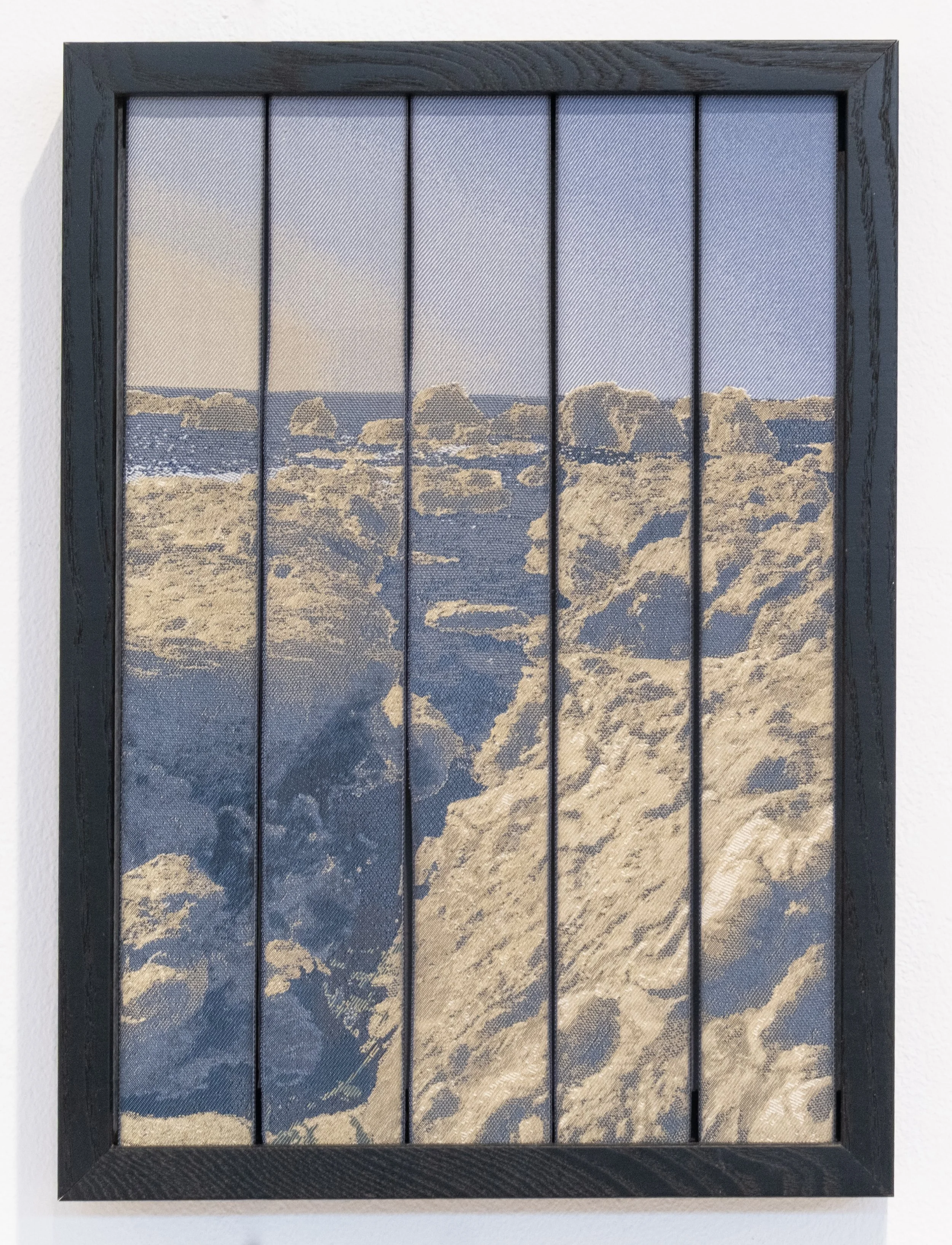
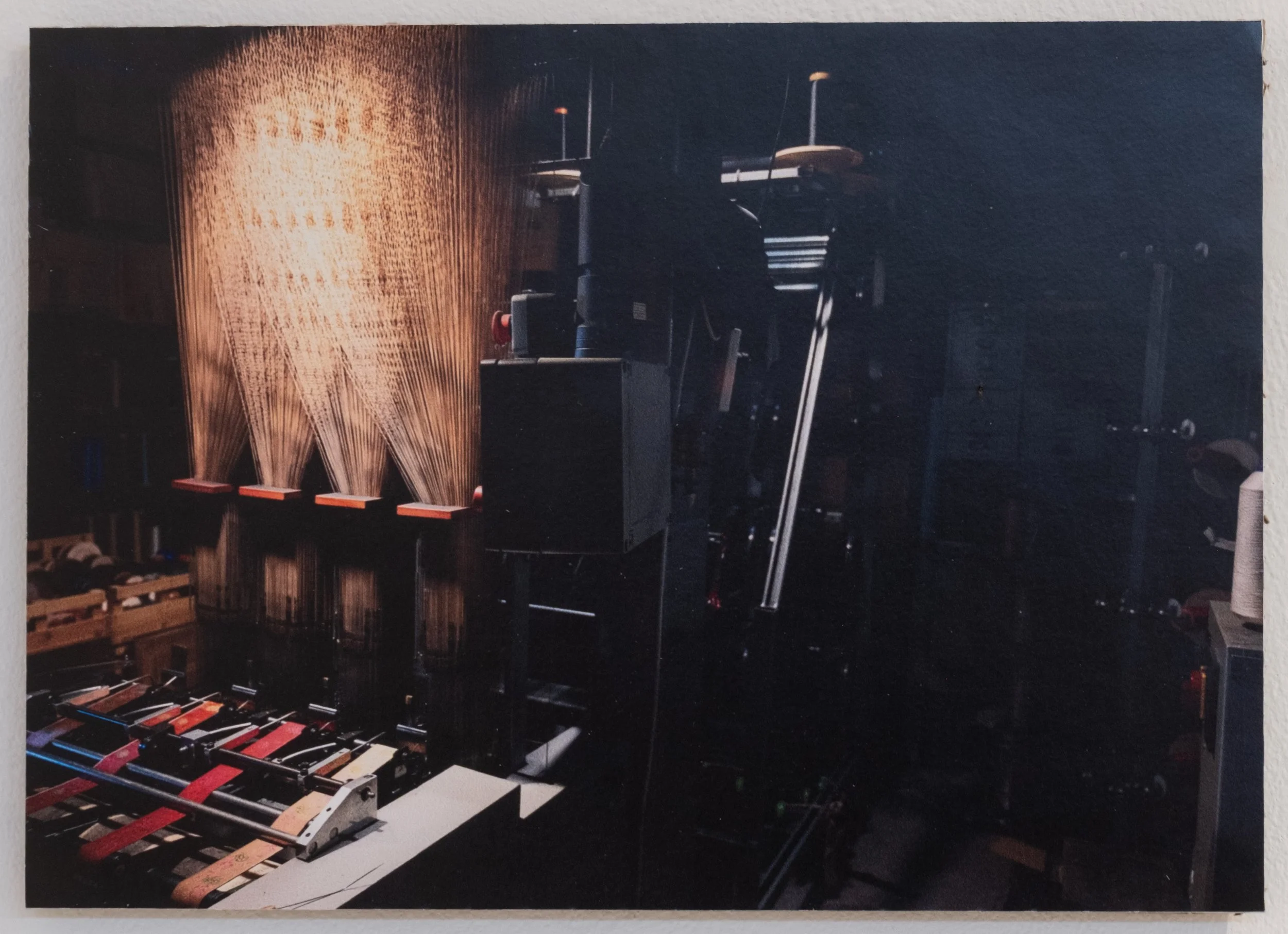
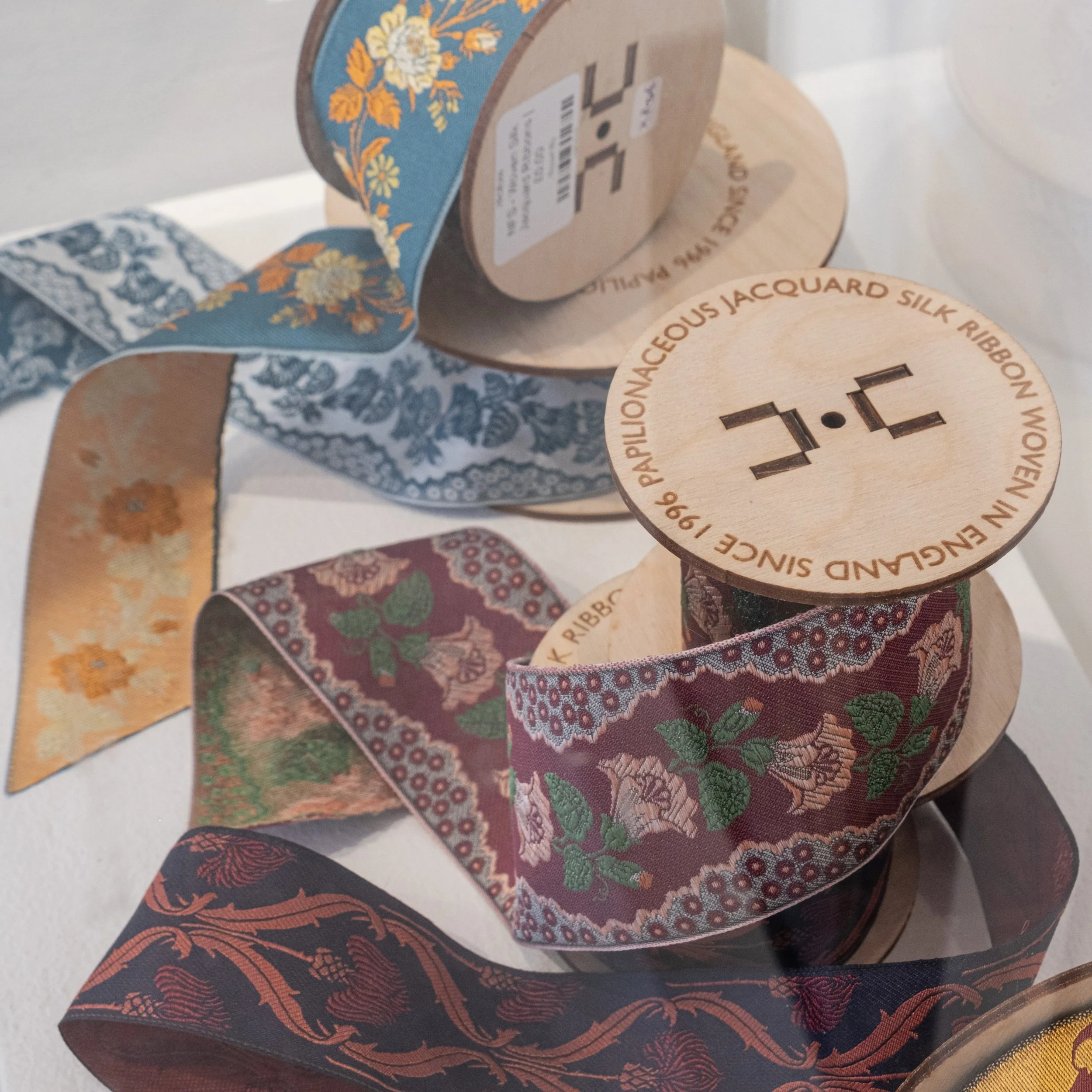
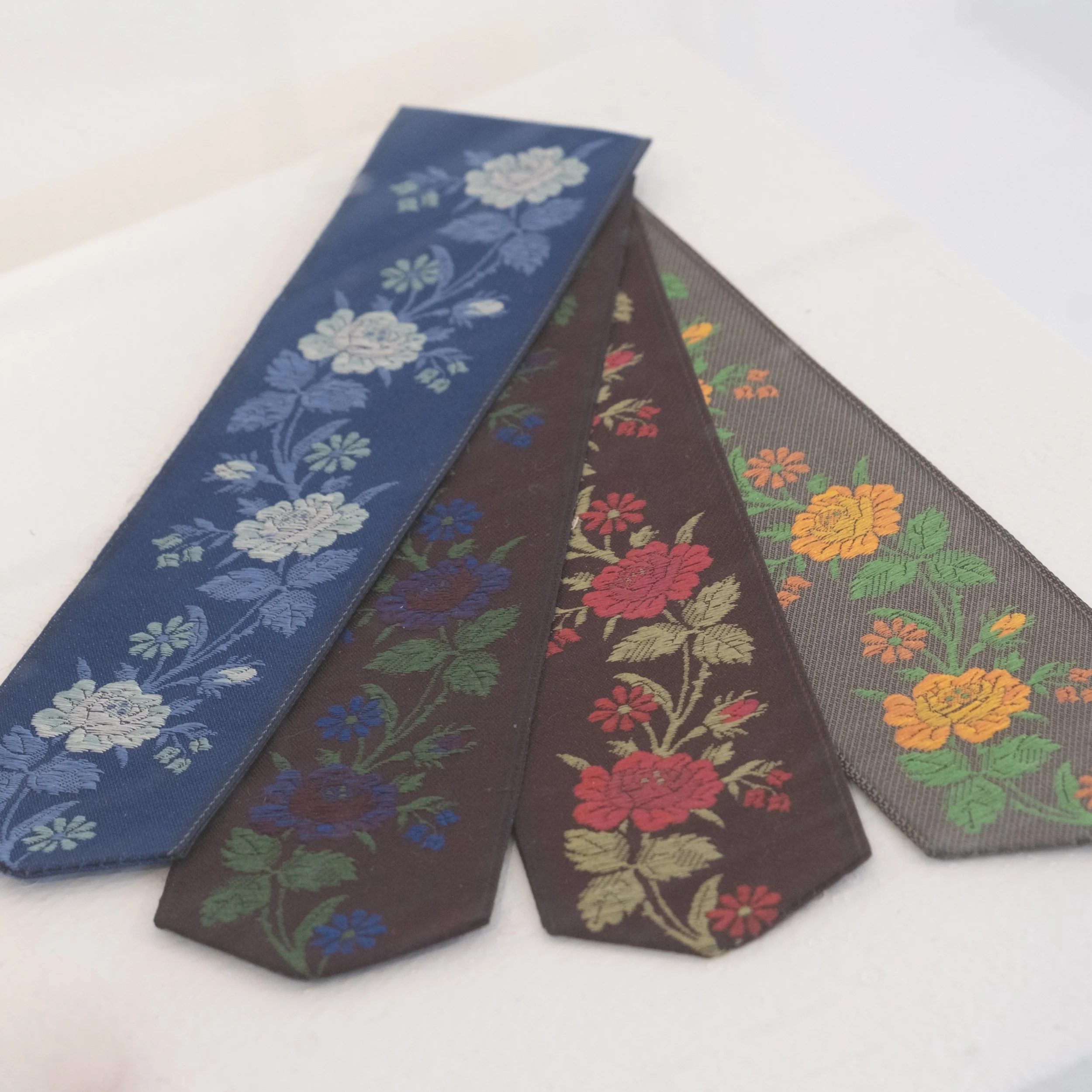
Robert Ely owns and runs Papilionaceous, a company based in Dartmouth, Devon, which he set up in 1996 with a narrow fabric loom and a bank loan. Thirty years on he is still exploring the wide possibilities of this very specialist craft and has produced much of the ribbon seen in films, TV productions, and reenactments, as well as on some of the best dressed men’s braces!
Sarah Liscoe
SAILMAKING
Sarah Liscoe is a professional sailmaker and historical craft demonstrator who specialises in traditional sailmaking techniques. With decades of experience in the trade, she researches and recreates sails using historically accurate materials such as hemp, flax and cotton, helping to preserve skills that changed little until the late twentieth century.
Through demonstrations, workshops and living-history events across the UK, she teaches traditional skills such as hand sewing, knot-tying, splicing and rigging, sharing the history of sailmaking from the Tudor period to the modern era.
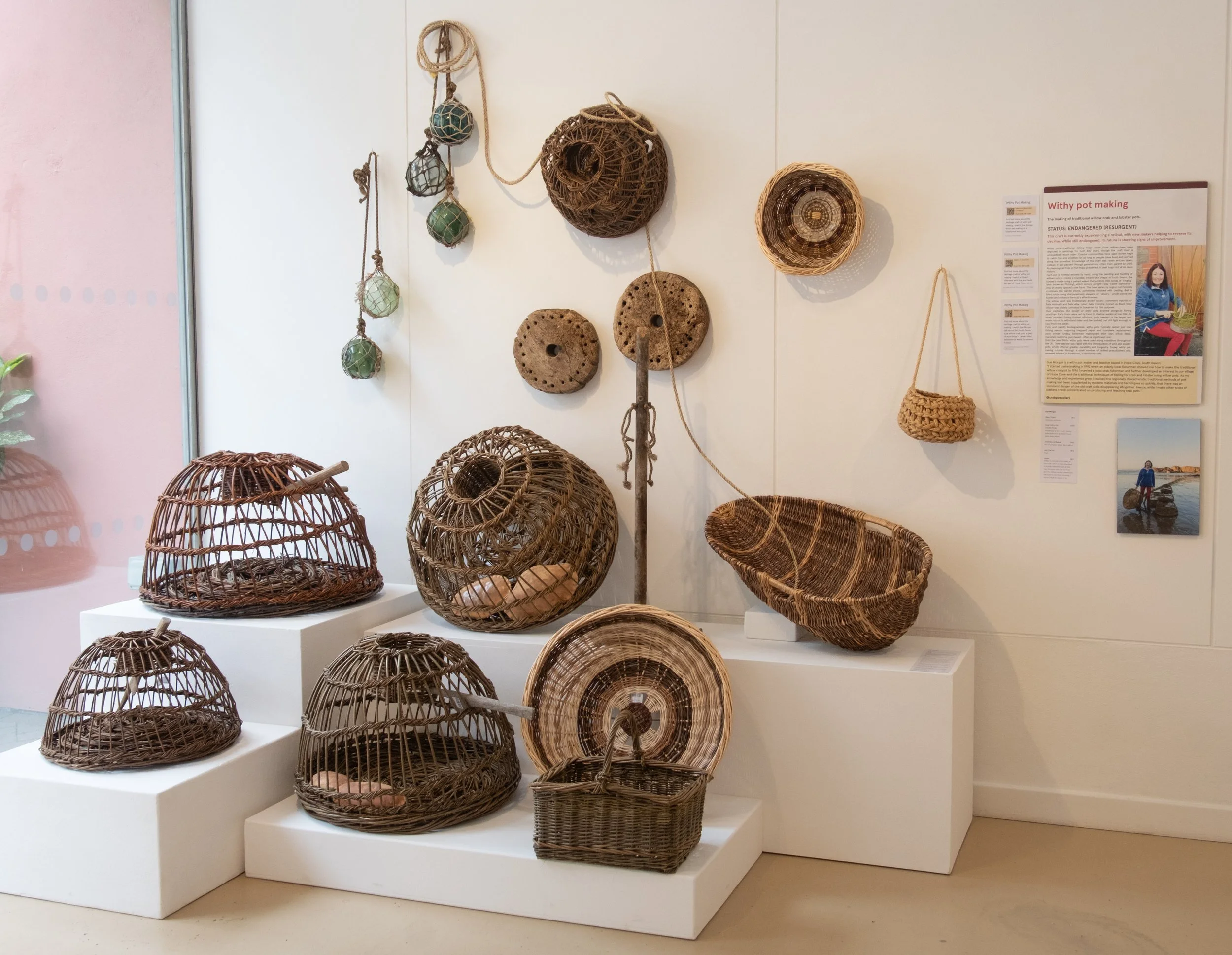
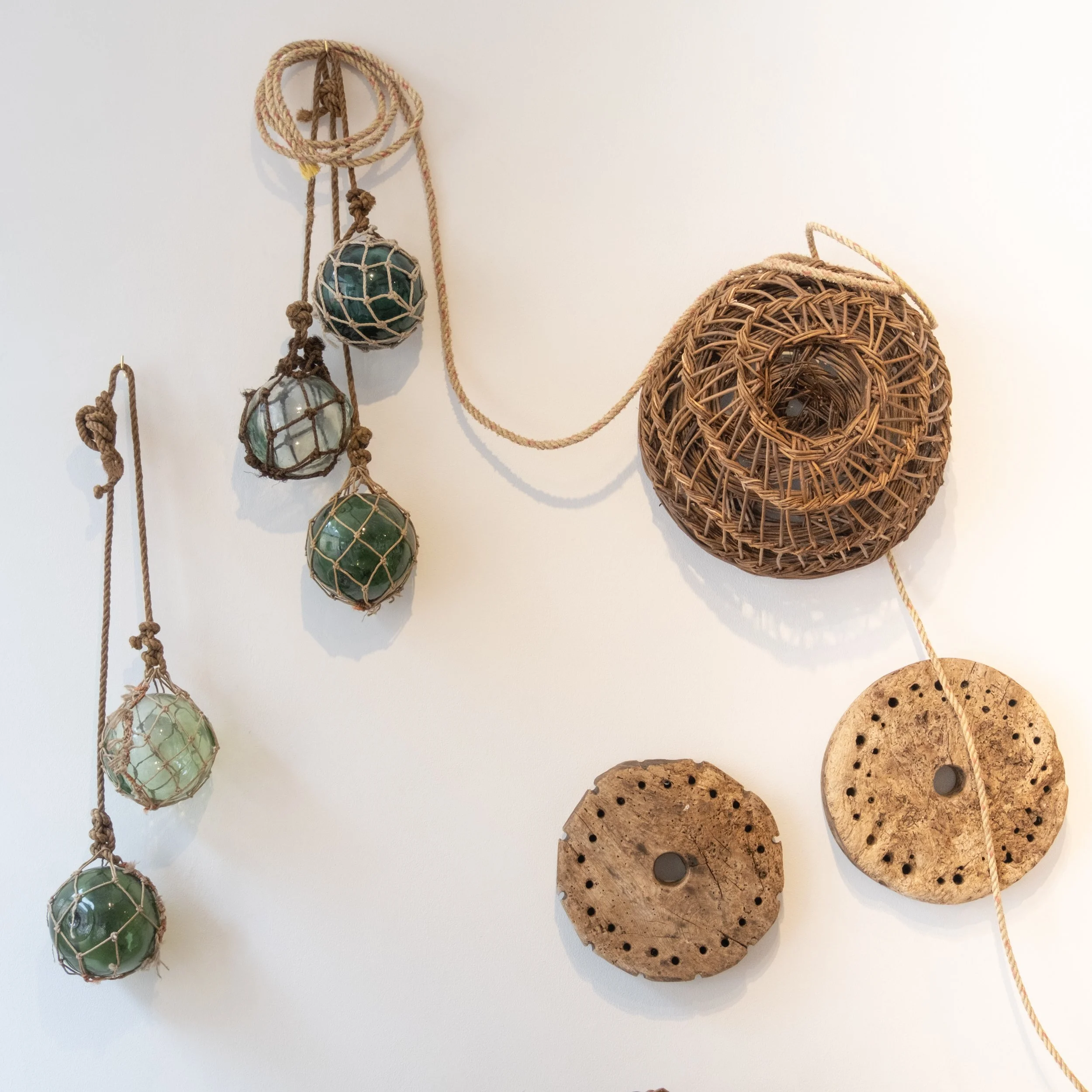
Sue Morgan
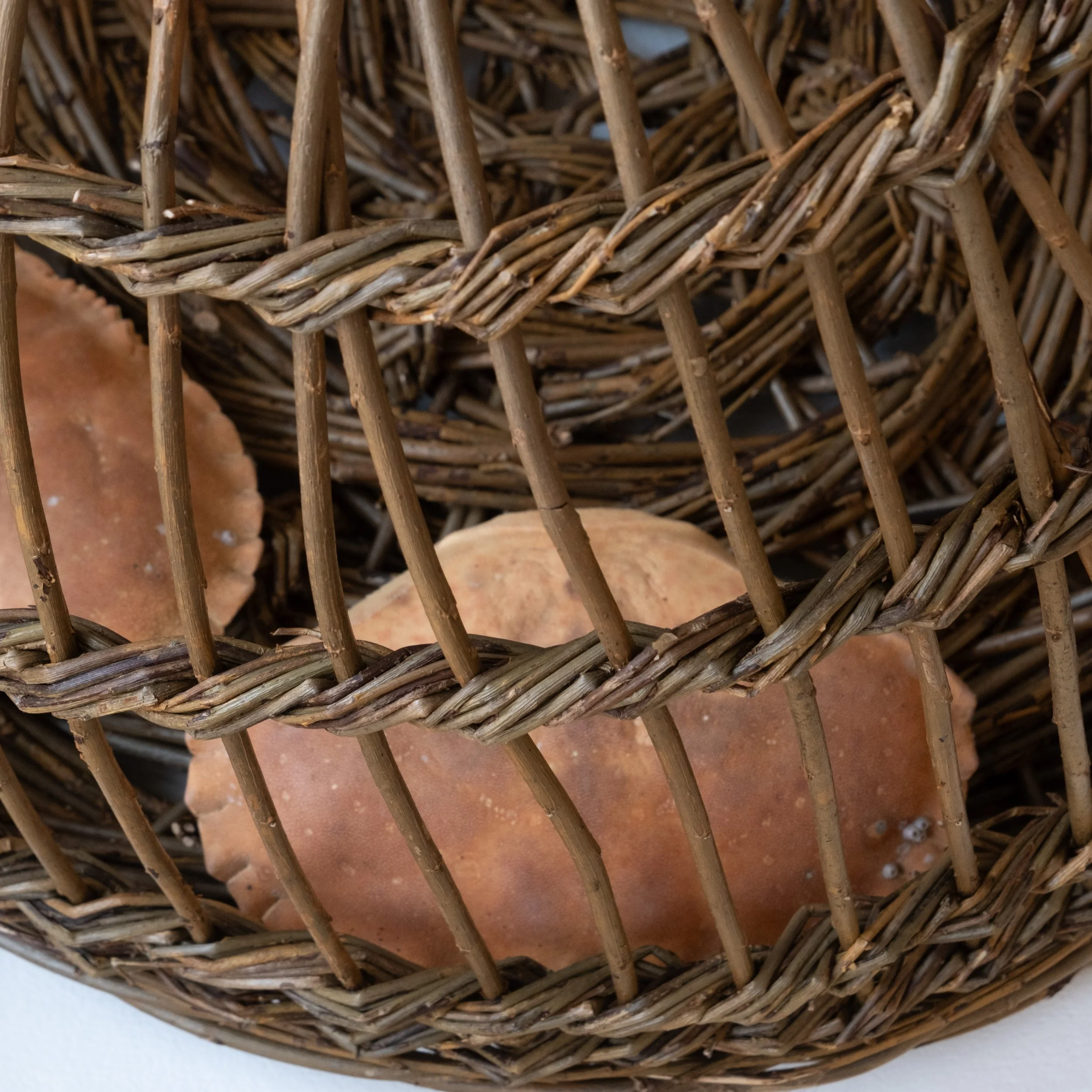
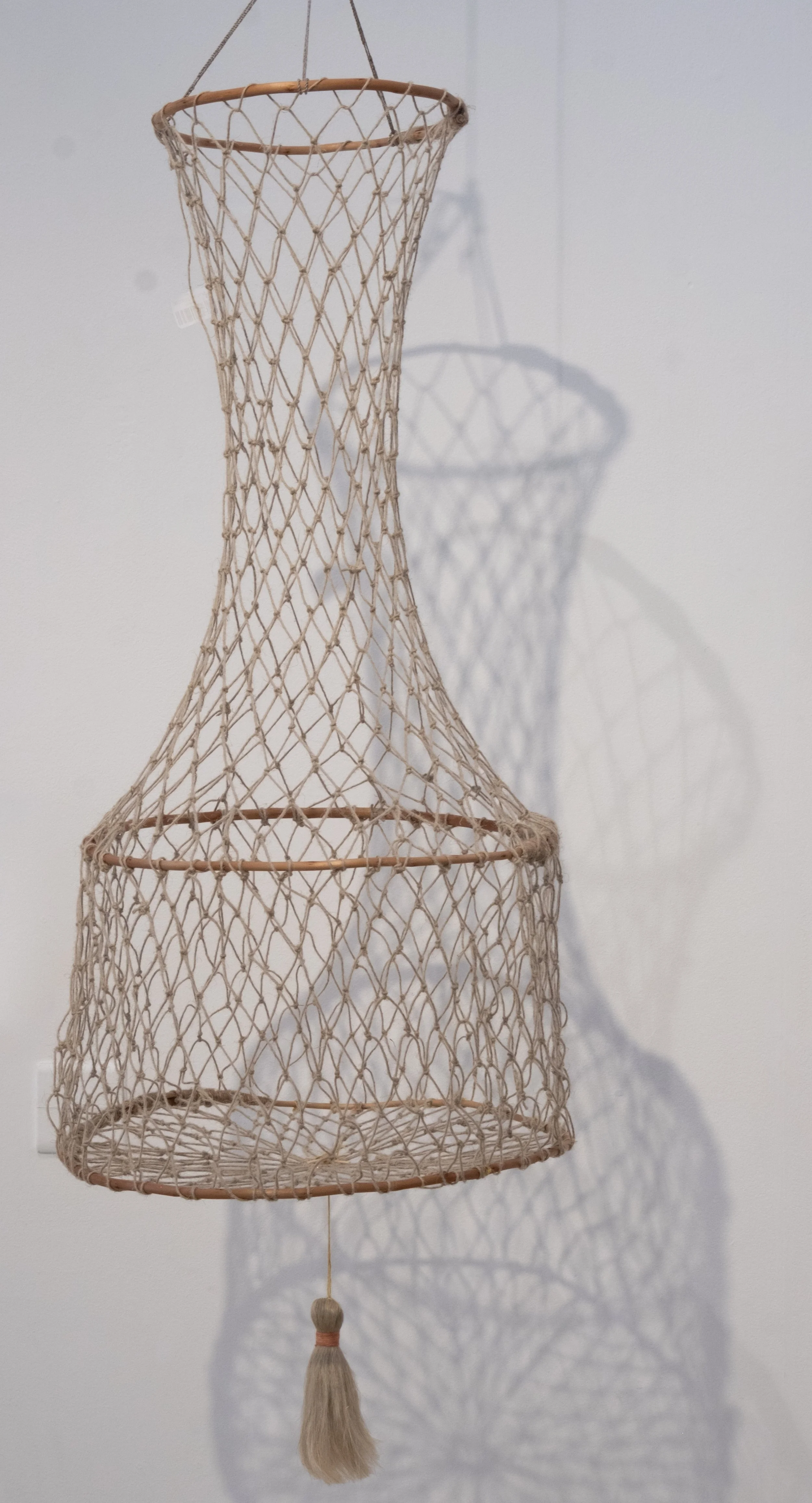
WITHY POT MAKING
Sue Morgan is a withy pot maker and teacher based in Hope Cove, South Devon:
“I started basketmaking in 1992 when an elderly local fisherman showed me how to make the traditional willow crabpot. In 1996 I married a local crab fisherman and further developed an interest in our village of Hope Cove and the traditional techniques of fishing for crab and lobster using willow pots. As my knowledge and experience grew I realised the regionally characteristic traditional methods of pot making had been supplanted by modern materials and techniques so quickly, that there was an imminent danger of the old craft skills disappearing altogether. Hence, while I make other types of baskets I have concentrated on producing and teaching crab pots.”
Photo credit: Robert Hesketh
Vicky Putler The Flax Project C.I.C
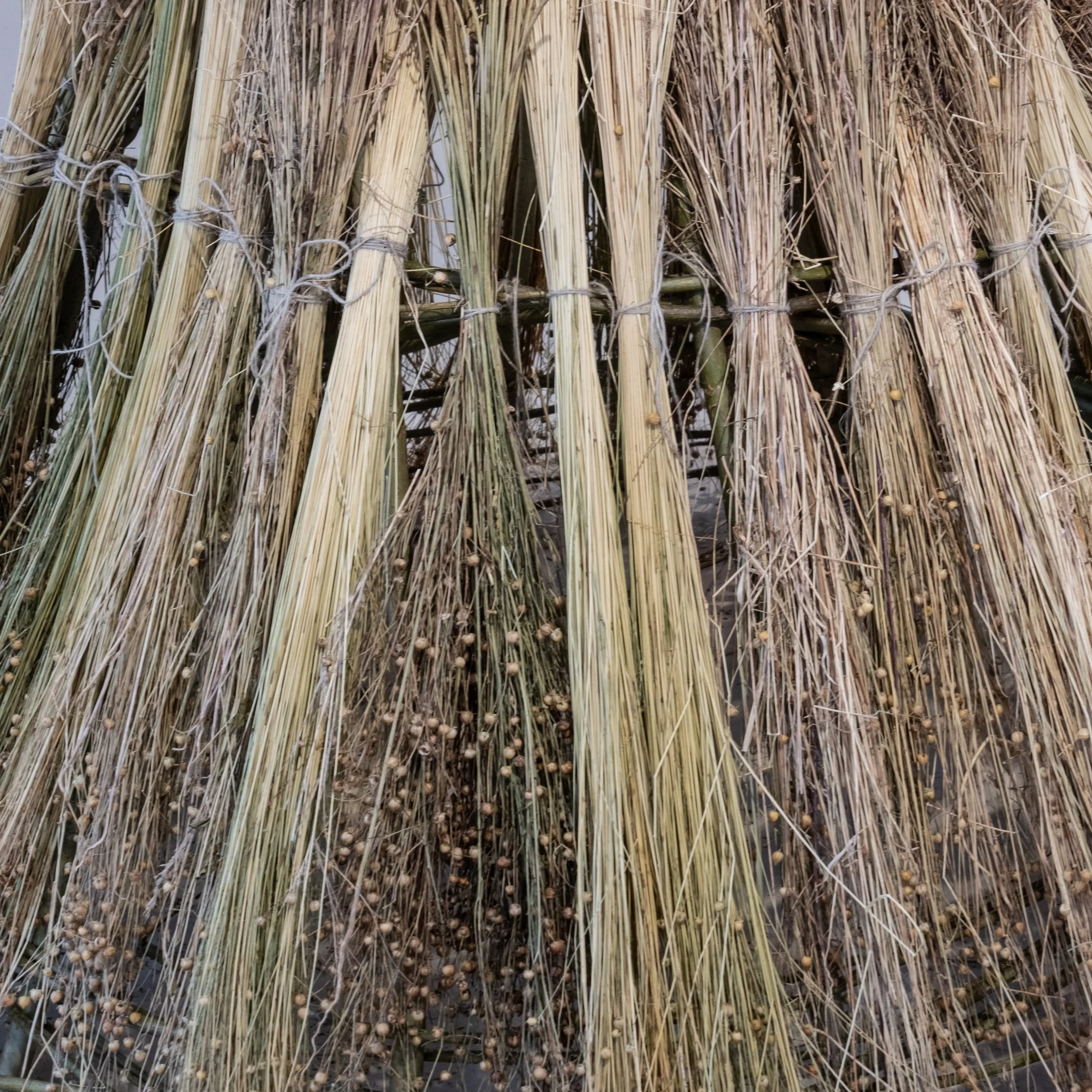
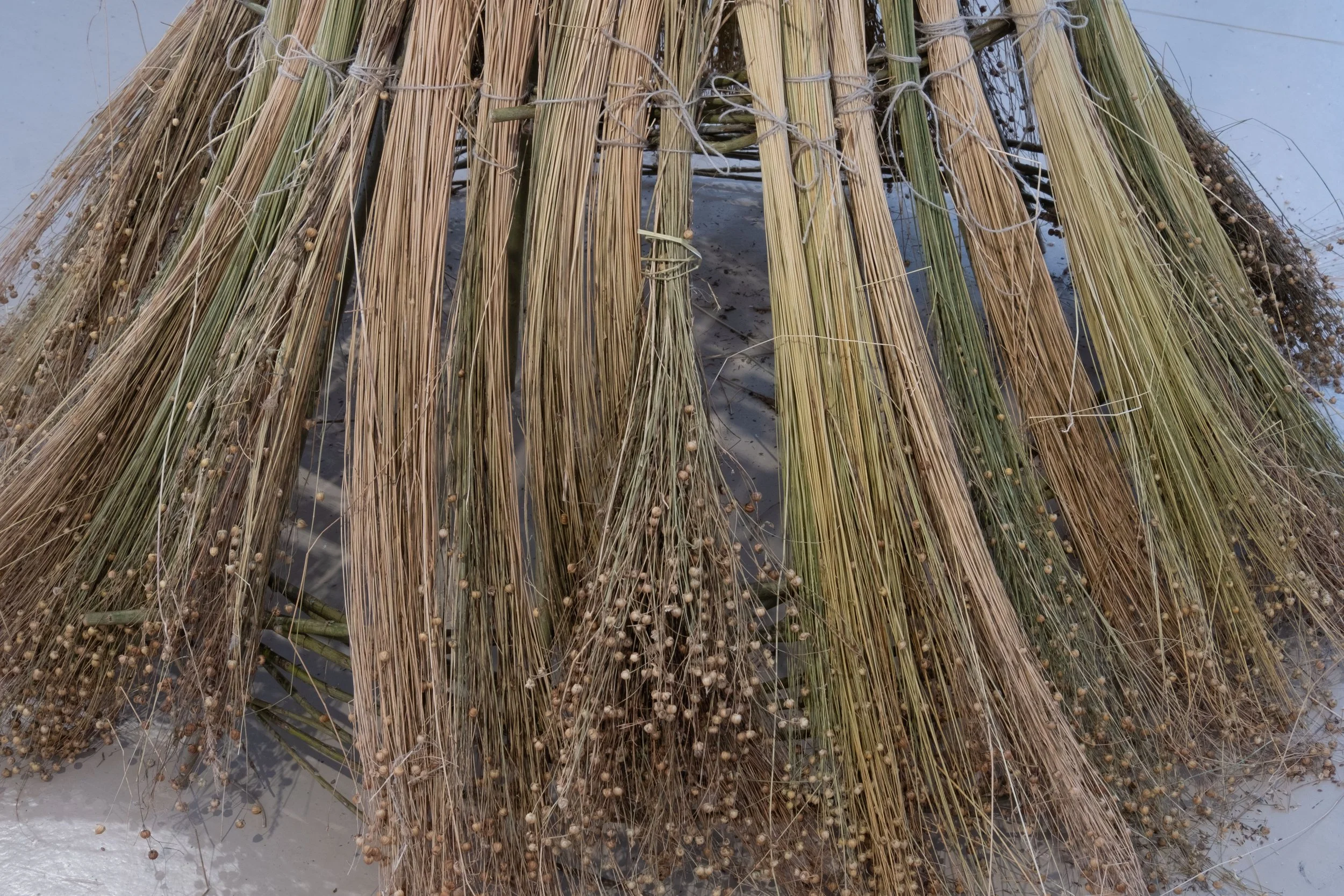
FLAX PROCESSING
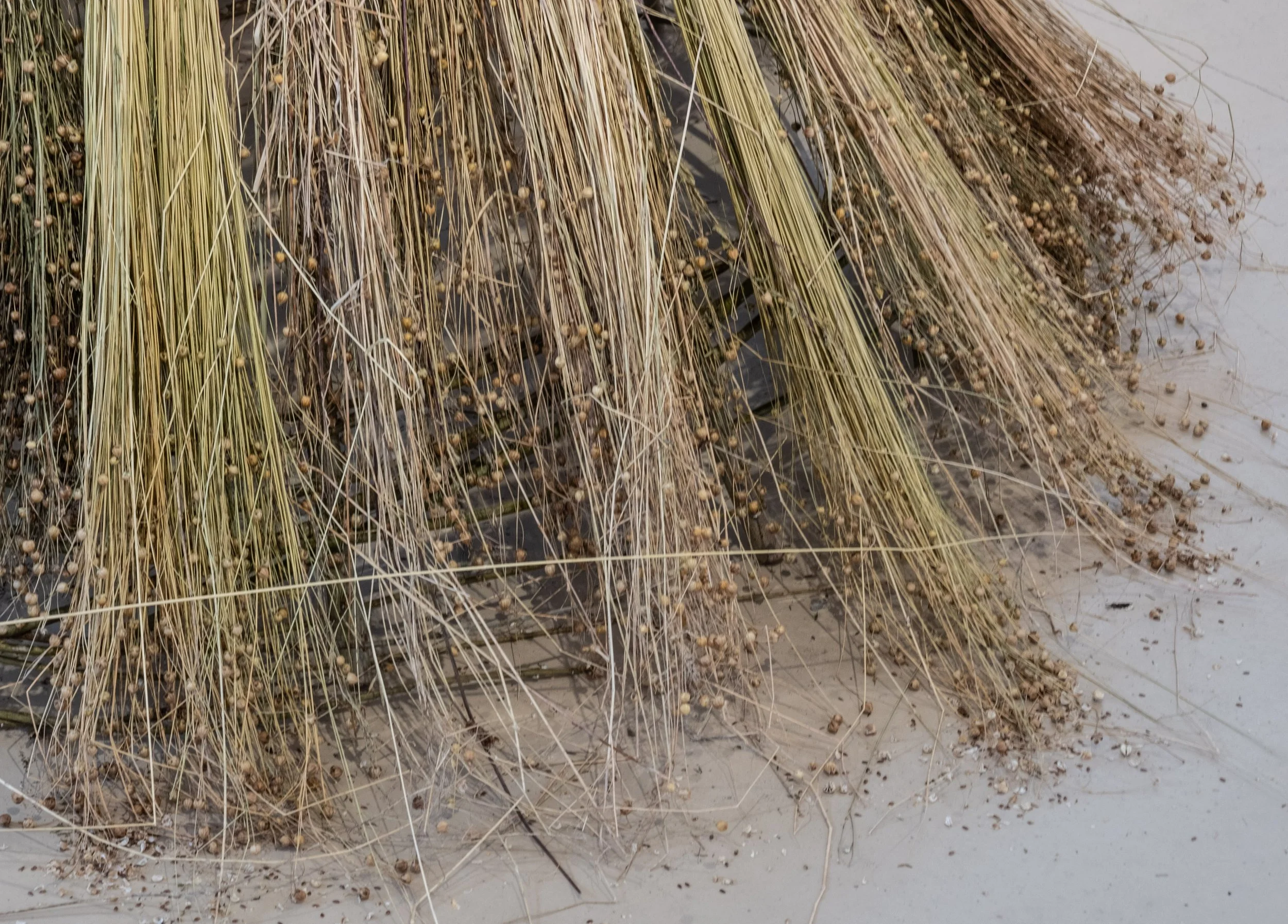
Vicky Putler founded The Flax Project in 2020, it became Flax Project CIC in 2023. They planted their first field of flax in 2021, making 2026 their 6th year of flax growing.
The Flax Project’s mission is to create linen with a local supply chain, from field to fabric and to revive sustainable, non-polluting small scale linen production in the Southwest, Tamar Valley and Plymouth.
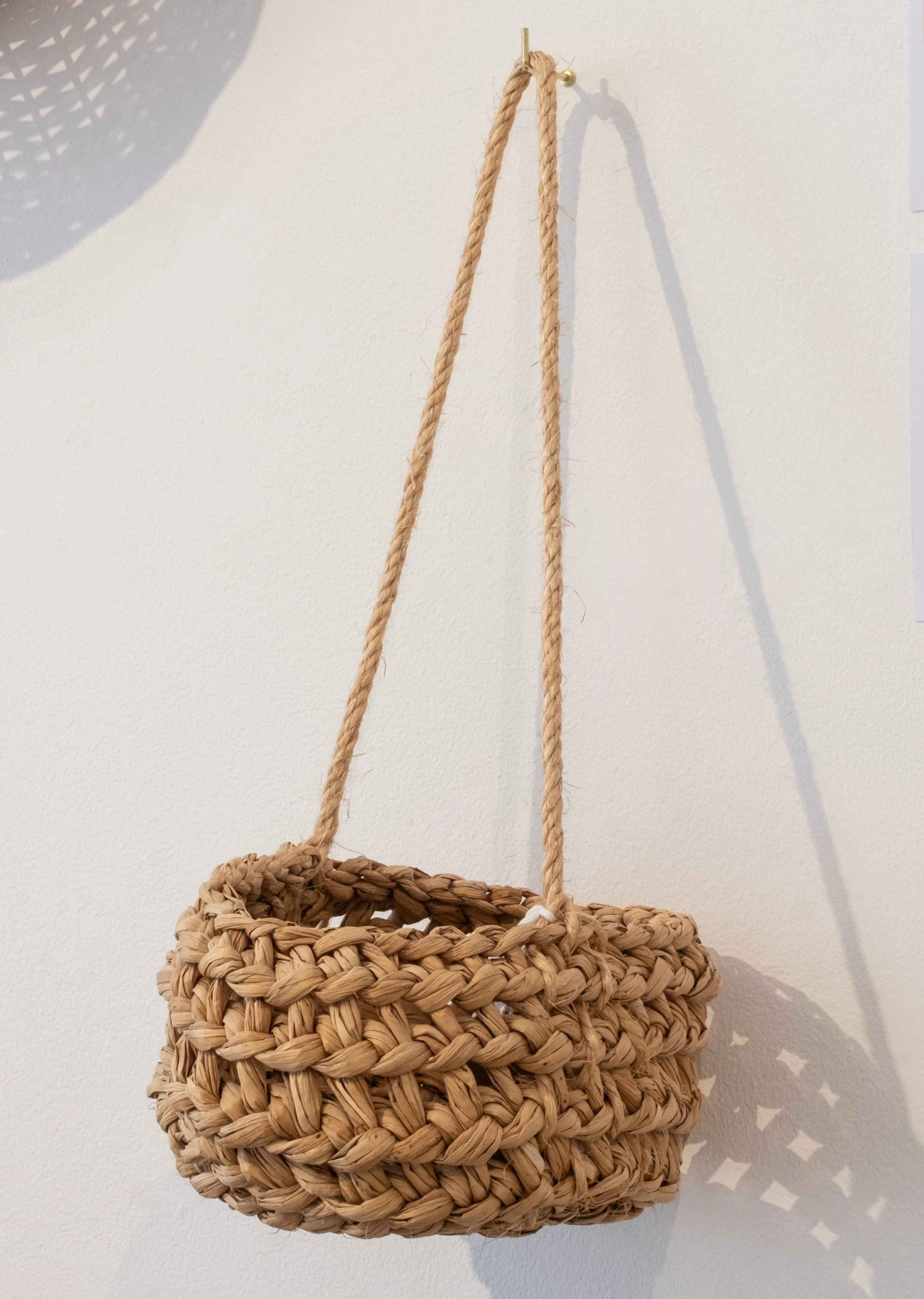
Through the workshops and community flax growing activities Vicky is building a community around local textile production, exploring the heritage of flax and reviving the old traditions and rituals of arable farming.
Plan your visit
Open Tuesday - Saturday, 10am - 5pm.